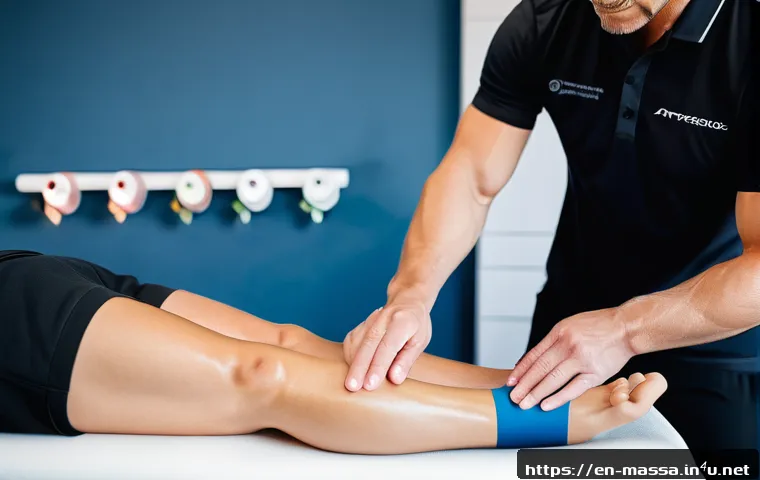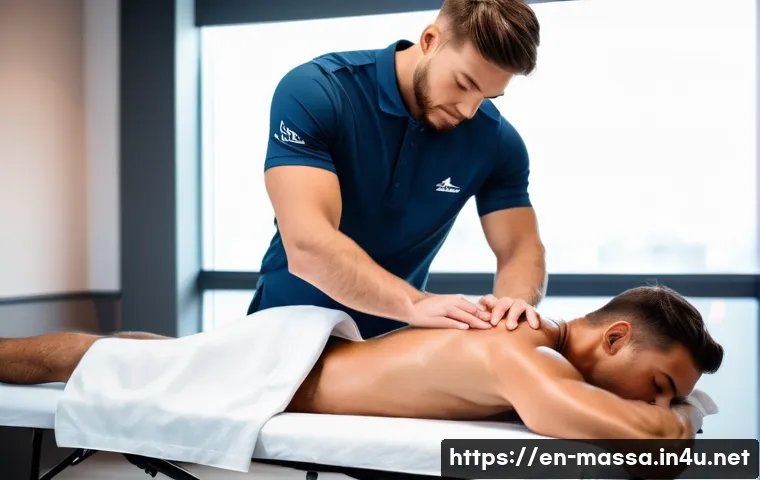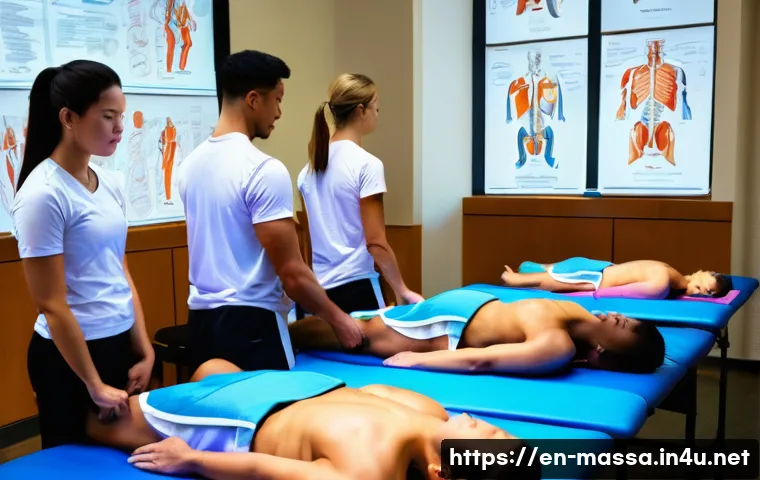
Diving into the world of sports massage therapy education reveals a mix of exciting opportunities and unexpected challenges. While many envision a straightforward path to becoming a skilled practitioner, the reality involves rigorous training, hands-on experience, and staying updated with evolving techniques.
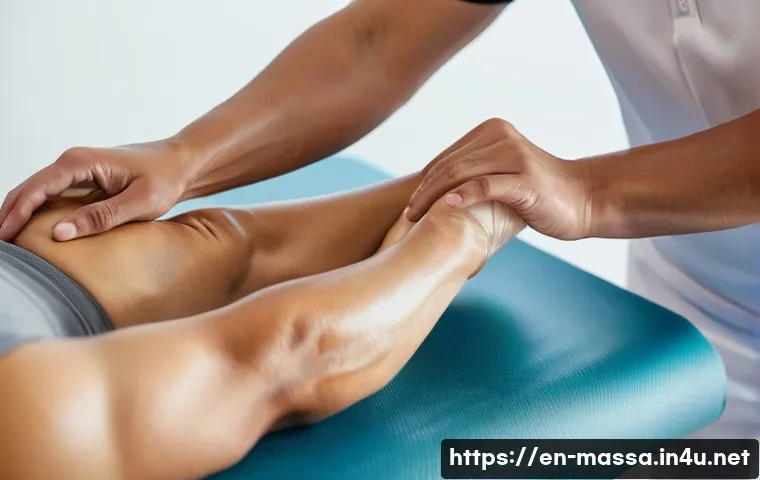
Aspiring therapists often face balancing theory with practical skills, all while navigating certification requirements that vary widely. Understanding the true nature of these programs helps set realistic expectations and prepares you for the journey ahead.
Let’s explore the ins and outs of sports massage training in detail so you know exactly what to expect!
Understanding the Balance Between Theory and Practice
The Necessity of Deep Anatomy Knowledge
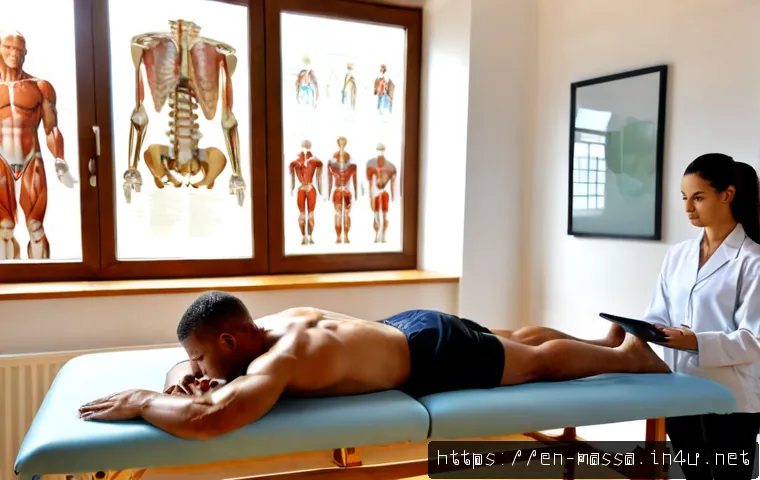
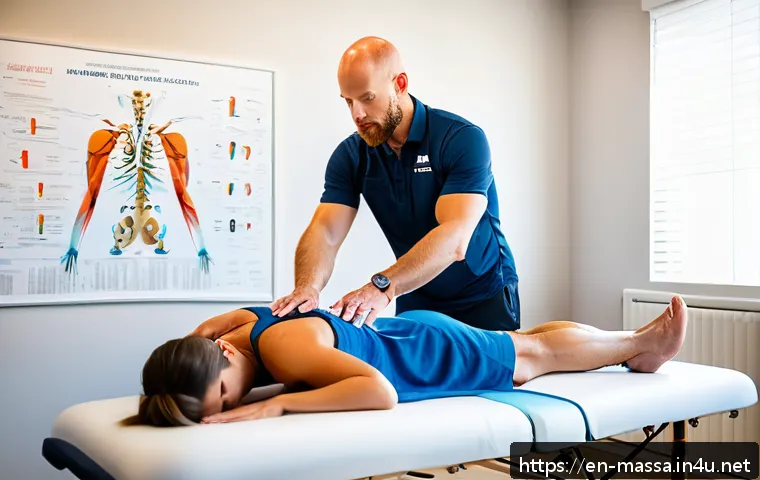
When I first started my sports massage training, I underestimated how much anatomy would play a role. It’s not just about knowing muscles on the surface; you dive deep into layers of tissue, understanding how muscles, tendons, and ligaments interact during movement and injury.
This foundational knowledge isn’t just academic—it directly influences how effective your hands-on work will be. I found myself spending hours reviewing anatomical charts because missing a detail could mean the difference between helping a client recover or causing more discomfort.
Hands-On Training: More Than Just Practice
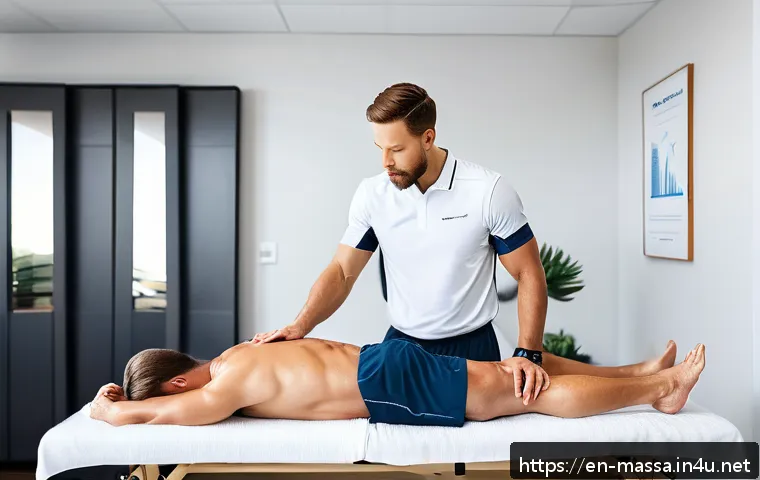
One of the biggest surprises was how much hands-on training dominates the curriculum. You don’t just learn techniques in theory; you apply them repeatedly on classmates, volunteers, or even real athletes under supervision.
This repetitive practice builds muscle memory and intuition that books alone can’t teach. From my experience, the moments when I felt most confident were after numerous sessions where I could feel tissue resistance, identify tension spots, and adjust pressure accordingly.
It’s a steep learning curve but incredibly rewarding.
Bridging Classroom Lessons with Real-World Application
Theory and practice alone don’t complete the picture. Sports massage therapy demands understanding how to adapt techniques based on client feedback and conditions.
For example, what works on a recreational runner might not suit a professional athlete with chronic issues. During my training, instructors emphasized case studies and real-life scenarios to help us think critically.
This dynamic approach prepares you to make quick, informed decisions rather than blindly following protocols, which I found essential once I started working in clinics and gyms.
Certification Maze: Navigating Different Standards
Why Certification Requirements Vary Widely
One of the first challenges you’ll notice is how confusing certification can be. Different states or countries have diverse standards for what qualifies as a certified sports massage therapist.
Some require hundreds of hours of classroom training plus clinical practice, while others might accept shorter courses combined with exams. From my research and conversations with peers, this inconsistency often leads to frustration but also gives you options to tailor your education based on where you want to work.
Choosing the Right Certification Path for Your Goals
Picking the right certification depends heavily on your career ambitions. If you want to work with professional athletes or in specialized clinics, you might need advanced certifications that involve more rigorous testing and continuing education credits.
On the other hand, community wellness centers or personal training facilities might accept more basic qualifications. I recommend mapping out your ideal job environment early on, then researching which certifications are respected and required in that field to avoid wasted time or money.
The Importance of Continuing Education
Even after you get certified, the learning doesn’t stop. Sports massage therapy is an evolving field with new research and techniques emerging regularly.
I personally make it a point to attend workshops and refresher courses every year. Staying current not only improves your skills but also boosts your credibility with clients and employers.
Plus, some certifications require ongoing education to maintain your status, so it’s both a professional and a practical necessity.
Time Commitment and Financial Investment Realities
The Hours You Need to Invest
Expect to dedicate significant time to your training. In my case, the program I enrolled in required around 300 hours of combined theory and practice.
This included evening and weekend classes to accommodate working students, but it still felt intense. Balancing study, hands-on sessions, and personal life was tricky, especially when preparing for practical exams that demanded precision and confidence.
It’s definitely not a casual commitment if you want to succeed.
Breaking Down the Costs
Training isn’t cheap either. Tuition fees for reputable sports massage courses can range from $3,000 to $7,000 depending on the institution and program length.
On top of that, you’ll need to budget for textbooks, supplies like massage oils and tables, and possibly liability insurance once you start practicing professionally.
From my experience, it’s an investment worth making, but budgeting ahead is crucial to avoid surprises.
Financial Aid and Flexible Payment Options
Some schools offer payment plans or scholarships, which can ease the burden. When I was enrolling, I found a program that allowed monthly installments and also provided a small grant for students demonstrating financial need.
Additionally, certain professional associations offer grants or discounts if you join their membership. It’s worth exploring these avenues early on because managing finances well can reduce stress and let you focus on learning.
Mastering Hands-On Skills: The Real Game Changer
Developing Touch Sensitivity and Pressure Control
One thing that caught me off guard was how much finesse is involved in sports massage. You’re not just pressing muscles randomly; you need to develop a sensitive touch to feel subtle changes in tissue texture and tension.
Controlling pressure is equally critical—too light and you don’t get results, too hard and you risk injury. Over time and with feedback from instructors and clients, I learned to adjust my technique intuitively, which made a huge difference in outcomes.
Understanding Client Communication and Feedback
Effective communication is a huge part of the hands-on process. I quickly realized that asking clients about their comfort level and pain threshold throughout the session was vital.
Some might understate their discomfort, so observing body language and muscle reactions became a key skill. This two-way dialogue ensures treatments are tailored and safe, and it builds trust—something I found essential when working with athletes who are often very in tune with their bodies.
Incorporating Technology and Tools
While hands-on skills are fundamental, modern sports massage therapy often integrates tools like foam rollers, massage guns, and even ultrasound devices.
During my training, workshops introduced these adjuncts, explaining how they complement manual techniques and speed up recovery. Getting comfortable with these tools expanded my service offerings and appealed to clients looking for a blend of traditional and contemporary therapy.
Managing Expectations: What You Won’t Learn in Class
The Emotional Side of Client Care
One aspect rarely covered in textbooks is the emotional intelligence needed when working with clients. Athletes, especially those recovering from injuries, can be frustrated or anxious.
I found that empathy and patience are just as important as technical skills. Sometimes clients need someone to listen as much as they need treatment. Over time, developing these soft skills helped me create stronger client relationships and improved their overall experience.
Realities of Building a Client Base
Starting out, I assumed clients would come knocking once I was certified. Reality check: building a steady client base takes time, marketing effort, and word-of-mouth.
Networking with local gyms, sports clubs, and physical therapists helped me get my first clients. I also learned to leverage social media and client testimonials to grow my reputation.
It’s a slow but rewarding process that tests your resilience and business savvy.
Handling Physical Demands on Yourself
Working as a sports massage therapist is physically demanding. I noticed my hands and back would tire after long days of sessions. Learning proper body mechanics and self-care routines became essential to avoid burnout.
My instructors emphasized stretching, strength training, and even regular massages for therapists themselves. Ignoring this advice can shorten your career, so it’s something every trainee should keep top of mind.
Comparing Popular Sports Massage Training Programs
Different Program Formats and Lengths
Programs vary widely—some offer intensive boot camps over a few weeks, others spread training across several months or even a year. I personally preferred a part-time format that allowed me to work while studying, but I know others who thrived in immersive full-time courses.
Your choice depends on your schedule, learning style, and financial situation.
Reputation and Job Placement Support
Some schools have strong industry connections and offer job placement assistance, which can be a huge advantage. When researching programs, I prioritized those with positive graduate reviews and active partnerships with sports organizations.
This support made the transition from student to professional smoother and faster.
Tuition and Included Resources
Costs differ, but some programs include extras like textbooks, access to online modules, and practice clinics. I found that investing in a program with comprehensive resources saved me money in the long run because I didn’t need to buy additional materials separately.
| Program Feature | Intensive Boot Camp | Part-Time Extended | Online Hybrid |
|---|---|---|---|
| Duration | 4-6 weeks | 6-12 months | 6-9 months |
| Cost Range | $4,000 – $7,000 | $3,000 – $5,000 | $2,000 – $4,000 |
| Hands-On Hours | 200+ | 150-200 | 100-150 |
| Job Placement | Limited | Moderate | Varies |
| Included Materials | All inclusive | Partial | Mostly digital |
Building Confidence Through Real Client Interaction
Supervised Practice Sessions
During training, the supervised sessions were some of the most nerve-wracking yet invaluable experiences. I recall feeling shaky the first time I treated a real client under instructor observation.
The feedback was immediate and constructive, pushing me to refine my technique. This environment fostered growth and prepared me for independent practice.
Volunteering and Internships
To gain more experience, I volunteered at local sports events and clinics. These opportunities exposed me to diverse injuries and athlete types, broadening my understanding beyond the classroom.
It also helped build my network and boosted my resume—something I recommend to all trainees.
Handling Mistakes and Learning From Them
Mistakes are inevitable, especially early on. I once applied too much pressure on a client’s shoulder, causing discomfort. Instead of beating myself up, I used that experience to learn better assessment techniques and communication strategies.
Embracing errors as part of learning helped me build resilience and confidence, essential traits for any therapist.
Wrapping Up
Balancing theory and practice in sports massage training is essential for success. From mastering deep anatomy knowledge to developing hands-on skills, every step builds your confidence and expertise. Navigating certification and managing the financial and time commitments are challenges worth embracing for a rewarding career. Ultimately, real client interactions and continuous learning shape you into a skilled and trusted therapist.
Useful Tips to Keep in Mind
1. Prioritize thorough anatomy study early on—it forms the backbone of effective treatment and client safety.
2. Seek out programs with hands-on practice opportunities and real-world case studies to strengthen your intuition and adaptability.
3. Research certification requirements based on your career goals to avoid unnecessary expenses or delays.
4. Budget wisely for training costs and explore financial aid options to ease the financial burden.
5. Develop strong communication skills and self-care routines to sustain your career physically and emotionally.
Key Takeaways
Success in sports massage therapy hinges on integrating deep theoretical knowledge with practical experience. Choosing the right certification path aligned with your career aspirations ensures smooth professional entry. Committing to ongoing education keeps your skills sharp and credible. Building client relationships through empathy and clear communication is as important as technical ability. Lastly, managing your physical well-being safeguards your longevity in this demanding yet fulfilling field.
Frequently Asked Questions (FAQ) 📖
Q: What kind of training can I expect in a sports massage therapy program?
A: Sports massage therapy programs typically combine both classroom learning and hands-on practice. You’ll dive into anatomy, physiology, and injury prevention theories, but the real game-changer is the practical sessions where you work directly on clients or fellow students.
From my experience, this balance is crucial because understanding the body’s mechanics is one thing, but applying techniques effectively requires muscle memory and confidence built through practice.
Expect to spend a good chunk of your training developing manual skills alongside learning how to tailor massages to different sports injuries and athlete needs.
Q: How difficult is it to get certified as a sports massage therapist?
A: Certification requirements can vary quite a bit depending on your location and the organization you choose. In general, it’s not just about completing a course; you’ll often need to log a certain number of supervised practice hours and pass both written and practical exams.
From what I’ve seen, the challenge lies in the consistency and dedication required—balancing study, practice, and sometimes even internships or apprenticeships.
While it might feel overwhelming at times, the sense of accomplishment once certified is well worth the effort, and it opens doors to professional opportunities.
Q: How do I keep up with evolving techniques after completing my training?
A: Staying current in sports massage therapy is essential because new research and techniques emerge regularly. Many therapists, including myself, make it a habit to attend workshops, webinars, and conferences.
Joining professional associations also helps you access the latest studies and network with peers. Plus, some certifications require continuing education credits to maintain your license, which encourages ongoing learning.
Honestly, the most rewarding part is seeing how updated methods improve your clients’ recovery and performance, making the extra effort totally worthwhile.