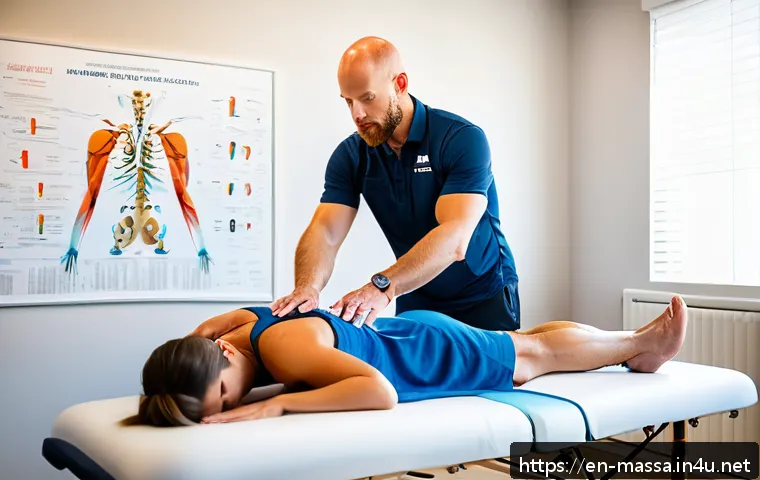
In today’s fast-paced wellness industry, sports massage therapists face the exciting challenge of standing out while delivering exceptional care. One powerful tool often overlooked is client feedback—an invaluable resource that can transform both treatment quality and business growth.

With more clients seeking personalized experiences, understanding their needs and concerns has never been more crucial. By unlocking honest feedback, therapists can fine-tune their techniques, build stronger relationships, and boost referrals.
Let’s explore how embracing client insights can elevate your practice and create lasting success.
Harnessing Client Feedback for Tailored Sports Massage Treatments
Understanding Individual Needs Through Direct Communication
Open conversations with clients often reveal nuances that standard intake forms might miss. When I began actively asking my clients about their pain points, lifestyle, and previous treatment experiences, it became clear how much personalized care matters.
This dialogue not only builds trust but also empowers me to adapt my techniques specifically to each individual’s requirements. For example, a runner might need deeper tissue work focused on the calves and hamstrings, whereas a desk worker may benefit more from gentle neck and shoulder mobilization.
These insights drastically improve the effectiveness of sessions and client satisfaction.
Utilizing Feedback to Refine Techniques and Approach
Collecting honest feedback after every session has been a game changer. Clients often share subtle preferences such as pressure intensity, areas to avoid, or even preferred music and environment settings.
I’ve noticed that when I tweak my approach based on this input, clients tend to book follow-ups more consistently. It’s about creating a truly bespoke experience that respects their comfort and enhances results.
Sometimes, even a small adjustment like changing hand positioning or session duration can make a significant difference in perceived value.
Building a Feedback Loop That Encourages Continuous Improvement
Encouraging clients to provide ongoing feedback transforms a one-time interaction into a dynamic process of mutual growth. I like to use simple digital surveys sent after appointments combined with casual in-person check-ins.
This combination keeps the communication lines open and shows clients that their opinions genuinely matter. Over time, I’ve built a reputation for being attentive and responsive, which naturally fosters loyalty and positive word-of-mouth referrals.
Transforming Client Insights Into Business Growth Strategies
Leveraging Positive Reviews to Boost Credibility and Visibility
Positive client testimonials have been invaluable for my online presence. When clients share their experiences on platforms like Google or Yelp, it not only enhances credibility but also attracts new clients searching for trusted sports massage therapists.
I always encourage satisfied clients to leave reviews by making the process quick and convenient, sometimes offering a small incentive like a discount on their next session.
This organic form of marketing feels genuine and resonates more with potential clients than traditional advertising.
Identifying Service Gaps Through Constructive Criticism
Not all feedback is glowing, and that’s a good thing. Constructive criticism highlights areas needing improvement that might otherwise go unnoticed. For instance, a few clients mentioned the need for more flexible scheduling options or clearer communication about aftercare.
Addressing these points promptly shows a commitment to client satisfaction and helps prevent negative reviews or lost business. It also encourages a culture of transparency and continuous enhancement within the practice.
Adapting Marketing Messages Based on Client Preferences
Understanding what clients value most allows for sharper marketing that speaks directly to their desires. For example, if feedback reveals that clients appreciate a holistic approach combining massage with stretching advice, marketing materials can emphasize this unique selling point.
Tailoring content to highlight personalized care, pain relief success stories, or athlete-specific programs tends to draw in a more targeted audience, increasing conversion rates and client retention.
Creating a Seamless Client Feedback Collection System
Choosing the Right Tools for Easy Feedback Gathering
In my experience, the easier it is for clients to share feedback, the more likely they are to do so. I experimented with various tools, from paper forms to mobile apps, before settling on a simple email survey sent within 24 hours of the session.
This timing ensures the experience is fresh in their minds. The survey includes clear, concise questions about pressure, technique, ambiance, and overall satisfaction.
Keeping it brief respects clients’ time while still gathering meaningful data.
Incorporating Real-Time Feedback During Sessions
Sometimes the best feedback happens in the moment. I make it a point to check in during sessions, asking if the pressure feels right or if any area needs extra attention.
This real-time input prevents discomfort and shows clients I’m attentive to their needs. It also reduces the likelihood of surprises or dissatisfaction after the session, creating a more positive experience overall.
Tracking and Analyzing Feedback for Long-Term Trends
Beyond individual sessions, I review collected feedback monthly to identify patterns. Are clients consistently requesting more deep tissue work? Is there a recurring comment about appointment availability?
This data helps me make informed decisions about service offerings, scheduling, and even staff training. Over time, this approach has contributed to steady growth and improved client loyalty.
Enhancing Client Relationships Through Empathy and Transparency
Listening Actively to Build Trust
Clients open up more when they feel genuinely heard. I’ve learned that active listening—nodding, summarizing their concerns, and validating their feelings—creates a safe space.
This emotional connection often leads to deeper conversations about their health goals and challenges, allowing me to tailor treatments more effectively.
It also differentiates my practice from others where clients might feel rushed or overlooked.
Being Transparent About Treatment Goals and Limitations

Honesty about what sports massage can and cannot achieve is crucial. I always explain the intended outcomes, potential discomfort during deep work, and realistic timelines for improvement.
This upfront communication sets clear expectations and reduces misunderstandings. Clients appreciate knowing exactly what to expect, which builds confidence in my expertise and encourages them to stay committed to their treatment plans.
Following Up to Show Genuine Care
A quick follow-up message or call to check on clients after their session demonstrates that I care beyond the treatment room. I’ve found that this simple gesture often leads to valuable feedback about how they felt post-session and any lingering issues.
It also reinforces the client-therapist bond, making clients feel valued and more likely to return or refer others.
Optimizing Referral Networks Through Client Advocacy
Encouraging Word-of-Mouth Through Exceptional Service
Nothing beats a happy client sharing their positive experience with friends or teammates. By consistently delivering personalized, effective care and demonstrating attentiveness, I’ve built a strong referral base.
I often hear that clients recommended me because they felt uniquely understood and genuinely cared for—proof that listening to feedback pays off in trust and advocacy.
Implementing Referral Incentive Programs
To boost referrals, I introduced a program offering discounts or complimentary add-ons when clients bring in new customers. This initiative has not only increased my client base but also motivated existing clients to spread the word enthusiastically.
The key is to keep the incentives simple and valuable without compromising service quality.
Partnering with Local Sports and Wellness Communities
Collaborating with gyms, sports clubs, and wellness centers allows me to tap into broader networks. Feedback from these partnerships helps me tailor offerings to specific athletic groups’ needs.
For example, working closely with a cycling club led me to develop focused recovery sessions that members rave about, driving more referrals and reinforcing my reputation as a specialist.
Tracking and Measuring the Impact of Client Feedback
Setting Clear Metrics for Success
To truly understand the impact of client feedback, I established measurable goals such as increased repeat bookings, higher average session ratings, and improved online review scores.
Tracking these metrics over time reveals trends and validates whether adjustments based on feedback are effective. For instance, after implementing scheduling changes suggested by clients, I noticed a 20% rise in appointment retention.
Using Feedback to Improve Client Retention
Retention is critical for sustainable growth, and personalized service driven by client feedback has been instrumental. Clients who feel heard and see their input reflected in their care are more likely to return regularly.
I also monitor client drop-off points and reach out with tailored offers or check-ins to re-engage those who haven’t booked recently.
Visualizing Feedback Data for Strategic Decisions
Presenting feedback insights visually helps identify priorities quickly. Below is a table summarizing common feedback themes, corresponding actions taken, and resulting benefits I’ve observed in my practice.
| Feedback Theme | Action Taken | Outcome |
|---|---|---|
| Pressure too intense or too light | Customized pressure per session; real-time adjustments | Increased client satisfaction; fewer complaints |
| Scheduling conflicts | Expanded booking hours; online scheduling introduced | Higher booking rates; improved retention |
| Desire for more holistic care | Added stretching guidance and wellness tips | Enhanced client loyalty; positive reviews |
| Need for clearer communication | Implemented detailed session briefings and follow-ups | Stronger trust; better treatment adherence |
Conclusion
Harnessing client feedback is essential for delivering personalized sports massage treatments that truly meet individual needs. Through active listening and continuous adaptation, therapists can enhance client satisfaction and foster lasting relationships. Embracing feedback not only improves service quality but also drives business growth by building trust and encouraging referrals.
Helpful Information to Know
1. Regularly ask clients about their specific pain points and lifestyle to tailor massage techniques effectively.
2. Use simple and timely feedback tools like short surveys sent within 24 hours after sessions to collect honest input.
3. Incorporate real-time adjustments during treatments by checking in with clients about pressure and comfort levels.
4. Leverage positive reviews and testimonials to boost your online presence and attract new clients.
5. Track feedback trends monthly to identify areas for improvement and make informed business decisions.
Key Takeaways
Consistently engaging with clients through open communication and feedback loops is vital for personalized care and client loyalty. Implementing flexible scheduling and transparent treatment explanations enhances trust and satisfaction. Encouraging referrals through exceptional service and incentive programs expands your client base. Finally, measuring and analyzing feedback data helps optimize service offerings and supports sustainable business growth.
Frequently Asked Questions (FAQ) 📖
Q: Why is client feedback so important for sports massage therapists?
A: Client feedback offers direct insight into how clients perceive their treatment experience, which is crucial for continuous improvement. From my own practice, I’ve found that honest feedback highlights areas needing adjustment—whether it’s pressure levels, session duration, or communication style.
This not only refines your technique but also deepens client trust, making them more likely to return and recommend your services. Without this input, therapists risk missing out on key opportunities to enhance both care quality and business growth.
Q: How can I encourage clients to provide honest and constructive feedback?
A: Creating a comfortable environment where clients feel their opinions truly matter is the first step. I usually ask open-ended questions at the end of a session, like “How did that feel today?” or “Is there anything you’d like me to adjust next time?” Also, providing anonymous feedback options or quick digital surveys can help clients share thoughts they might hesitate to voice in person.
Emphasizing that their feedback directly improves their future sessions makes clients more willing to open up.
Q: What should I do with the feedback once I receive it?
A: Actively listening and then implementing changes based on client feedback is key. I make it a habit to review feedback regularly, identifying common themes or specific suggestions.
When appropriate, I follow up with clients to let them know what adjustments I’ve made—it shows I value their input and keeps the communication loop strong.
Remember, feedback isn’t just about fixing problems; it’s also about recognizing what you’re doing well and reinforcing those strengths. This approach not only improves client satisfaction but also helps your reputation grow organically.