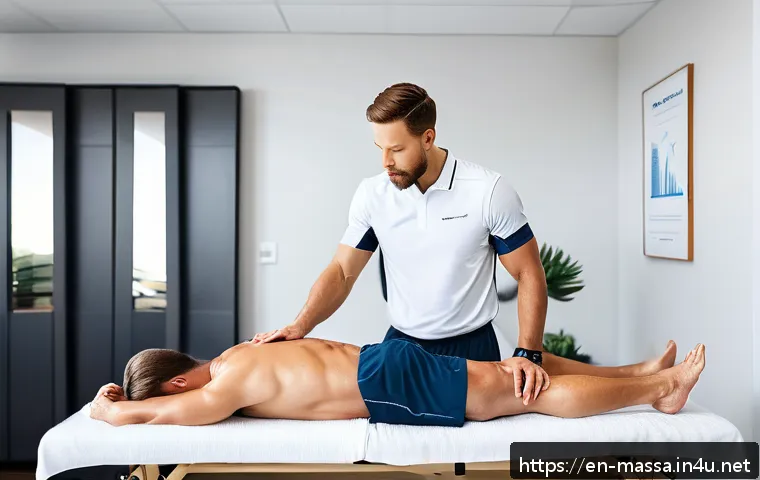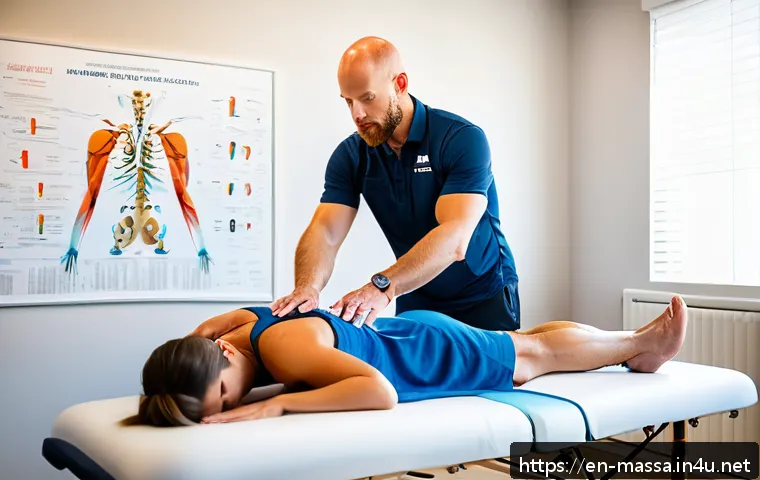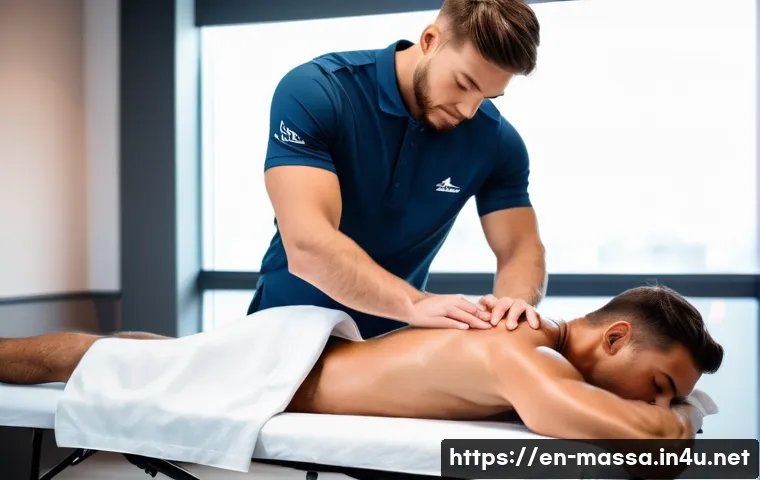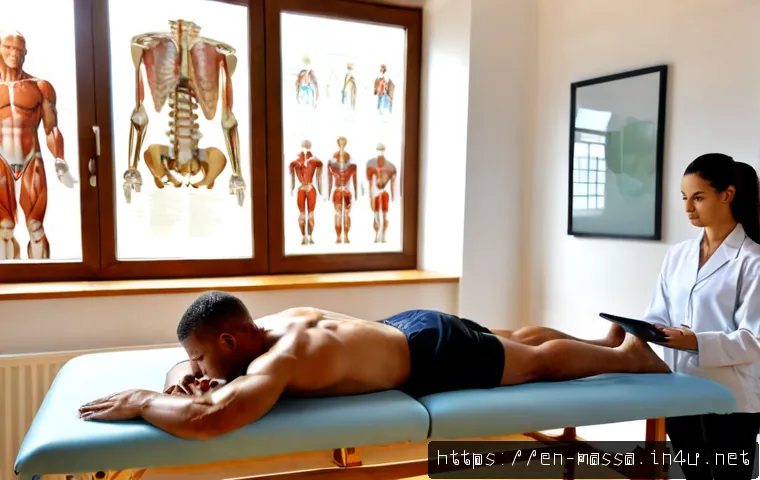
Sports massage theory should begin with functional anatomy, physiology, client assessment, safety screening, and clear communication before advanced hands-on techniques.
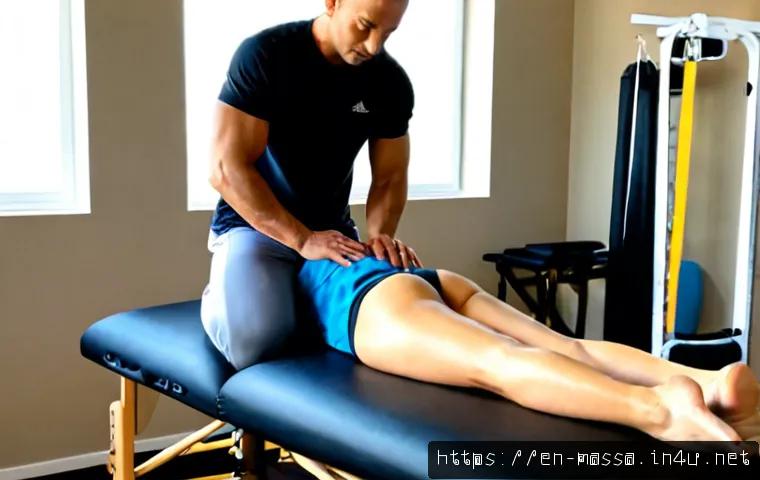
A course is worth considering when it teaches supervised practice, professional boundaries, and local eligibility requirements—not simply a popular routine.
For aspiring practitioners, the right learning route depends on whether the goal is a career in massage therapy or a complementary role in fitness. Self-study can build vocabulary and body-awareness skills, but it does not replace assessment training or supervised feedback.
Short workshops may be useful introductions, while accredited professional programs may better support certification, insurance eligibility, and broader practice options.
Requirements vary by location, so always verify local licensing, professional-body, and insurance rules before paying course fees.
At a Glance
- Non-negotiable theory: anatomy, physiology, biomechanics, client assessment, consent, and safety screening.
- Technique is not enough: pressure and session plans must change according to goals, health history, pain response, and local scope-of-practice rules.
- Compare training carefully: look beyond price at supervised practice, curriculum depth, certification eligibility, insurance considerations, and total fees.
| Learning Route | Best For | Supervision and Assessment | Cost Considerations |
|---|---|---|---|
| Self-study | Learning basic terminology and preparing for formal education | Usually limited; does not replace supervised practical feedback | Consider study resources and later formal training needs |
| Introductory workshop | Exploring sports massage concepts or adding basic knowledge to a fitness role | May include limited practical guidance; check how assessment is taught | Compare course content, equipment needs, and any separate assessment fees |
| Accredited professional program | Career-focused learners seeking a broader massage therapy pathway | Typically the strongest option to evaluate for supervised contact and professional preparation | Review tuition, examinations, supplies, insurance, and continuing-education costs |
The Core Knowledge Every Sports Massage Practitioner Needs
Anatomy and Functional Movement: Learning Structures, Not Just Muscle Names
Knowing a long list of muscles is less useful than understanding how body structures relate to movement. Study how joints move, how tissues work together, and how training demands may affect different areas of the body. A practical anatomy foundation helps you position a client more comfortably, choose an appropriate approach, and explain your work in plain language.
Functional anatomy should connect classroom learning to real movement patterns such as running, lifting, cycling, or recreational exercise. Avoid treating a muscle chart as a treatment map. The client’s goals, feedback, and health history still matter.
Physiology, Recovery, and the Limits of Massage Claims
Physiology helps you understand exercise, recovery, and the body’s response to touch and pressure. It also helps you speak responsibly. Sports massage may be part of a client’s recovery routine, but practitioners should avoid unsupported promises about fixing injuries, diagnosing conditions, or guaranteeing performance outcomes.
A safer approach is to discuss the session goal: comfort, relaxation, body awareness, or support around a training routine. When symptoms fall outside your training or local scope of practice, referral to a qualified healthcare professional may be more appropriate.
The Three Skills to Prioritize Before Learning Advanced Techniques
Prioritize observation, communication, and pressure control. Observation means noticing posture, movement comfort, and changes in client response without making a diagnosis. Communication means asking clear questions and checking consent. Pressure control means adapting throughout the session rather than assuming deeper is better.
Compare Learning Routes Before You Pay for Training
Self-Study, Introductory Workshops, and Accredited Massage Programs
Self-study can help you learn anatomy terminology, professional ethics, and basic sports massage theory. It is a useful starting point, especially for fitness professionals deciding whether massage education fits their role. However, it cannot provide the same level of hands-on correction, client assessment practice, or supervised decision-making as structured training.
Short workshops can introduce methods and positioning, but ask whether they are designed for personal education, continuing education, or professional practice. If your aim is to work with paying clients, investigate an accredited training program and confirm what it may mean for certification, licensing, and liability insurance in your area.
What Course Fees Should Include Beyond Classroom Lessons
Do not compare course costs by tuition alone. Check whether fees cover practical assessments, supervised clinic time, learning materials, equipment requirements, examinations, and any documentation training. You may also need to budget separately for a massage table, linens, hygiene supplies, and professional insurance where applicable.
A lower initial price may not represent the better value if essential assessment training or practical supervision is missing. Ask for a clear breakdown of the total training cost before enrolling.
Questions to Ask About Supervised Practice, Assessment, and Certification Eligibility
Ask how students are observed while working with clients, how feedback is delivered, and whether the curriculum includes health-history screening and treatment planning. Also ask whether the course is recognized by a relevant local regulator or professional association. Recognition and eligibility standards can differ by country, state, province, and professional body.
Client Assessment, Consent, and Safety Screening
Health History, Goals, Pain Language, and Informed Consent
A session should start with a clear conversation. Ask what the client wants from the appointment, what training or activity they are doing, and whether they have relevant health information to share. Use simple pain language: where is it, when did it begin, what makes it better or worse, and how does the client respond during the session?
Informed consent is ongoing, not a one-time form. Explain what you plan to do, ask permission before working on an area, and invite the client to request changes or stop at any time.
Contraindications, Precautions, and Referral Red Flags
Sports massage education should cover contraindications, precautions, and situations requiring extra care. Some signs or symptoms may require postponing massage or referring the client to a qualified healthcare professional. Do not try to work around a possible red flag by changing the name of the technique.
When information is unclear, choose the cautious option. Your role is to screen carefully, stay within training and local rules, and avoid presenting massage as medical diagnosis or treatment.
Documentation and Professional Boundaries
Clear case notes support continuity and professionalism. Record relevant client goals, consent, general session observations, client feedback, and any recommendation to seek further assessment. Keep notes factual. Avoid unsupported clinical conclusions.
Professional boundaries also protect the client and practitioner. Learn local expectations for privacy, draping, communication, record handling, and insurance coverage before offering services.
Applying Theory in Real Sports and Fitness Settings
Pre-Event, Post-Event, and Maintenance-Session Goals
A session around an event should not be copied from a standard routine. A recreational exerciser preparing for a first race may have different goals from a competitive athlete in a demanding training block. Post-event comfort, general maintenance, and pre-event preparation each require a clear conversation about expectations.
Keep the purpose specific and realistic. The best plan is the one that responds to the individual client rather than the label “athlete.”
Adapting Pressure, Positioning, and Communication for Different Clients

Pressure should be based on client feedback, not practitioner preference. Comfortable positioning, appropriate draping, and regular check-ins are basic professional skills. A client who is new to massage may need more explanation and a slower pace than someone familiar with regular sessions.
Fitness professionals who add massage-related education should be especially careful about scope. A coaching qualification does not automatically establish massage practice eligibility, insurance coverage, or local legal authority.
Common Beginner Errors: Overpromising, Copying Routines, and Ignoring Feedback
Common mistakes include claiming to “break up” a problem, using the same sequence for every client, or interpreting pain as proof that a technique is working. Another error is treating silence as consent. Check in, listen, and adjust.
Good practice is less about performing an impressive routine and more about making safe, informed decisions.
Build a Study Plan That Connects Theory to Hands-On Practice
A Practical Order for Studying Anatomy, Assessment, Technique, and Case Planning
Start with anatomy, physiology, biomechanics, ethics, and safety screening. Next, learn client interviewing, observation, consent, positioning, and basic assessment principles. Then add foundational techniques with supervised feedback. Finally, practice building simple case plans that connect a client’s stated goal, session approach, and documented response.
Using Case Notes and Mentor Feedback Without Making Unsupported Clinical Claims
Case notes can reveal patterns in your own practice: whether you asked enough questions, checked pressure often enough, or documented consent clearly. Mentor feedback is valuable when it focuses on technique, communication, boundaries, and decision-making. Keep descriptions accurate and avoid turning observations into medical conclusions.
When Continuing Education Is Worth the Additional Cost
Continuing education may be worthwhile when it fills a real gap in assessment, communication, sports-specific positioning, or professional practice. Before enrolling, check whether the training is relevant to your local certification or insurance requirements. A specialized course is most useful after the essential safety and assessment foundation is already in place.
Choosing a Training Program: Final Comparison Checklist
Curriculum Depth, Instructor Qualifications, and Supervised Contact Hours
Look for a curriculum that includes anatomy, physiology, biomechanics, assessment, treatment planning, ethics, and practical communication. Ask who teaches the course, how students are assessed, and how much supervised hands-on practice is available.
Total Cost, Equipment Needs, Insurance Considerations, and Local Eligibility
Compare the full cost of training, not just advertised tuition. Consider course materials, practical assessments, equipment, professional membership, liability insurance, and possible continuing education. Then verify whether the program supports eligibility requirements in your location.
Selecting the Best Route for a Career-Focused or Complementary Fitness Role
If you want a massage-focused career, a more comprehensive professional program may be the stronger route to investigate. If you work in fitness and only want better client communication and body-awareness knowledge, introductory education may be useful—but it does not automatically authorize professional massage services.
Selection Criteria and Comparison Summary
Before choosing a sports massage training course, compare curriculum depth, supervised practice, assessment training, certification or licensing eligibility, liability insurance requirements, and total fees. Confirm whether the course suits your intended role: career-focused massage practice or complementary fitness education. Review the provider’s official course details for curriculum, supervised hours, eligibility conditions, and all additional costs before enrolling.
Closing Thoughts
Sports massage theory is a safety framework, not just a list of techniques. Anatomy and movement knowledge matter, but assessment, consent, boundaries, and referral awareness are equally important. Choose training that helps you make careful decisions with real clients. Local rules should always guide what services you can offer and how you describe them.
Useful Things to Know
1. A short course can be informative without being sufficient for independent practice.
2. Insurance eligibility may depend on the training provider, your location, and your intended services.
3. Client feedback is part of assessment throughout a session, not only at the beginning.
4. Responsible practitioners avoid diagnostic language and unsupported recovery claims.
Important Notes
This is a general education guide, not legal, insurance, or medical advice. Certification, licensing, scope-of-practice, and continuing-education requirements vary by location and professional organization. Whether massage is suitable for a particular person, injury, symptom, or medical condition requires careful screening and, where appropriate, advice from a qualified healthcare professional.
Frequently Asked Questions
Q1. What theory should I learn before taking a sports massage course?
A1. Start with anatomy, physiology, biomechanics, client assessment, informed consent, professional ethics, contraindications, precautions, and referral awareness. These subjects help you understand when and how to adapt hands-on techniques safely.
Q2. How do I compare sports massage training programs and course costs?
A2. Compare the curriculum, supervised practical training, assessment methods, instructor qualifications, certification eligibility, insurance considerations, equipment needs, and total fees. Verify local requirements directly with the relevant regulator, professional body, or insurer.
Q3. Is a short sports massage workshop enough to work with athletes safely?
A3. A short workshop may provide an introduction, but it may not provide enough supervised practice, assessment training, or local eligibility for professional work. Check your local licensing, certification, scope-of-practice, and liability insurance requirements before offering services to clients.