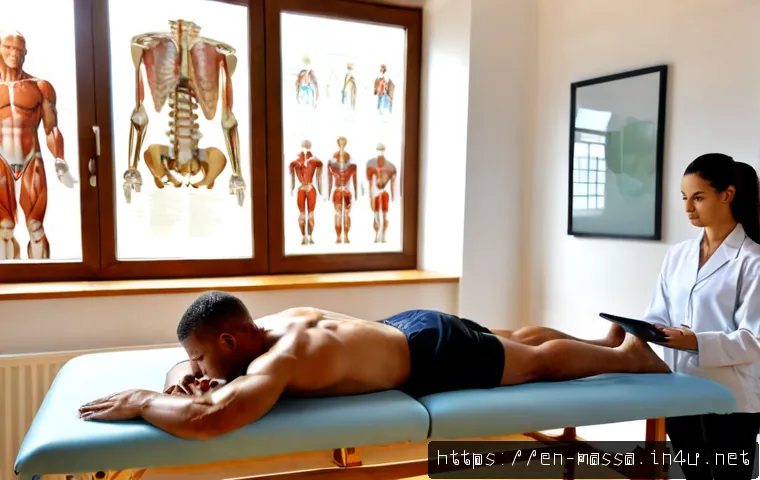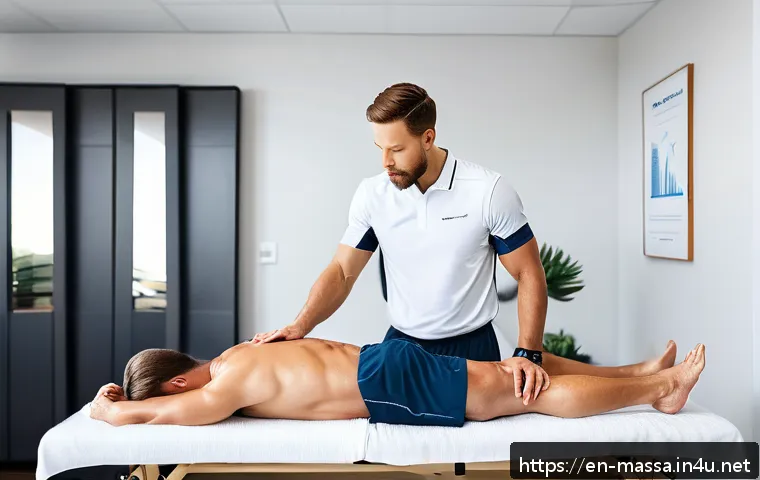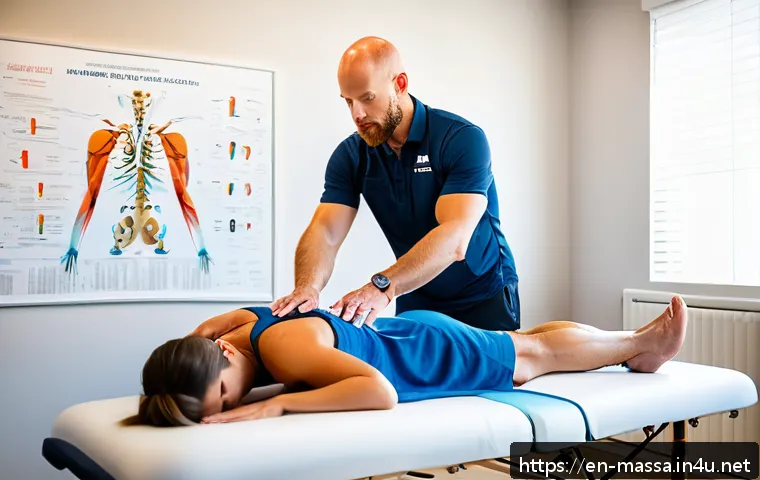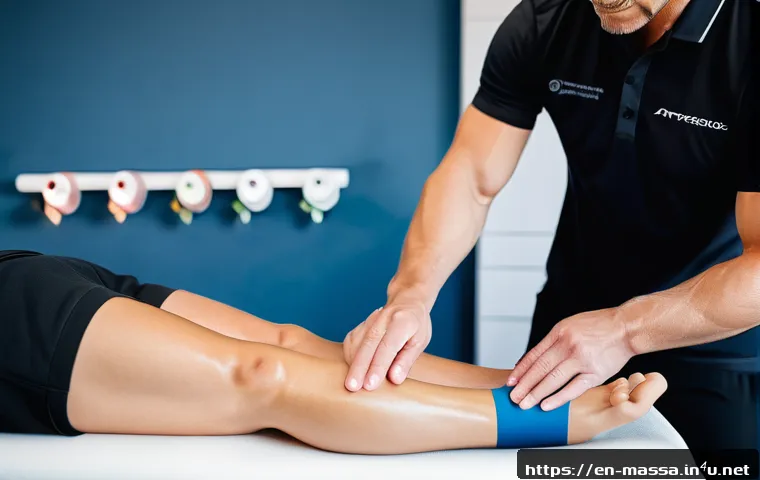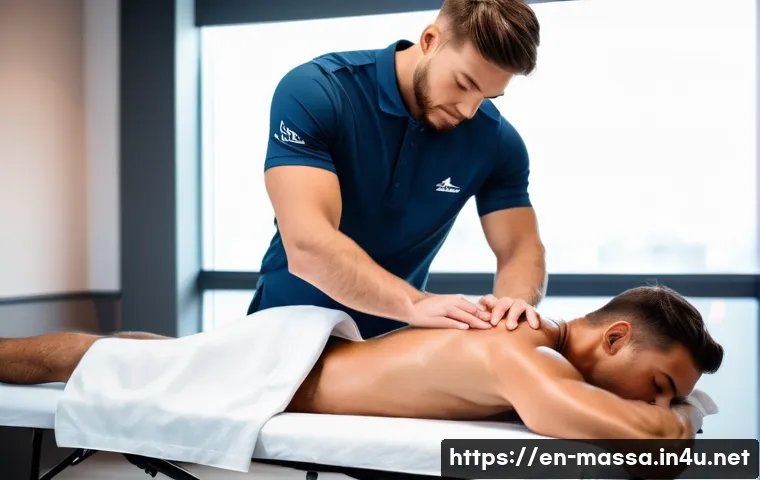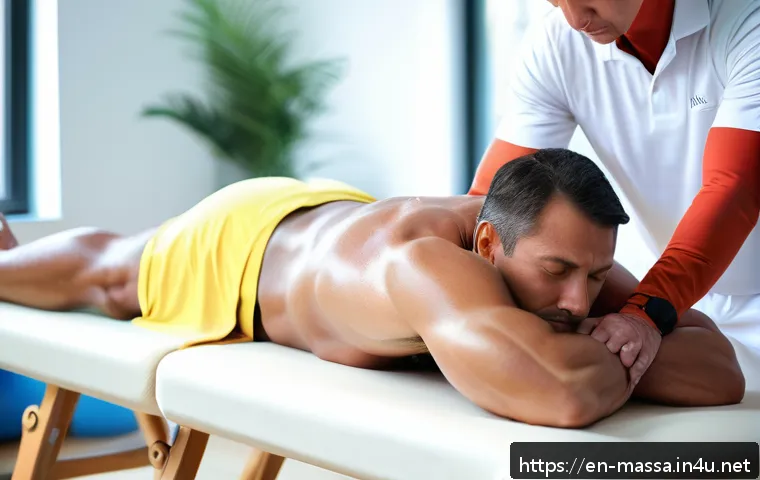
With the rising focus on holistic wellness and sustainable fitness routines, combining sports massage and Pilates has become a game-changer for athletes and enthusiasts alike.
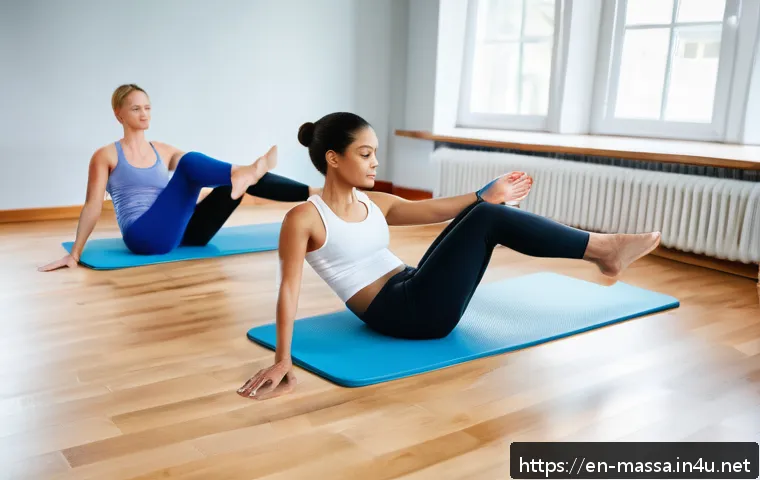
As recovery strategies evolve, understanding how these two practices complement each other can unlock new levels of performance and injury prevention.
Whether you’re pushing your limits in training or simply aiming for better body balance, this dynamic duo offers more than just relief—it enhances your entire recovery journey.
Let’s explore how integrating sports massage with Pilates can transform the way you recover and perform every day.
Enhancing Muscle Recovery Through Targeted Techniques
Deep Tissue Release and Its Impact on Muscle Function
When muscles are pushed to their limits during intense training, microscopic tears and tightness build up, leading to soreness and limited mobility. Deep tissue massage works wonders here by breaking down adhesions and scar tissue that accumulate after strenuous activity.
From my experience, this type of massage doesn’t just feel good—it actively improves circulation and flushes out metabolic waste, accelerating the healing process.
Athletes often notice increased range of motion and less stiffness, which means they can return to training sooner and with less discomfort.
How Pilates Builds Stability to Support Recovery
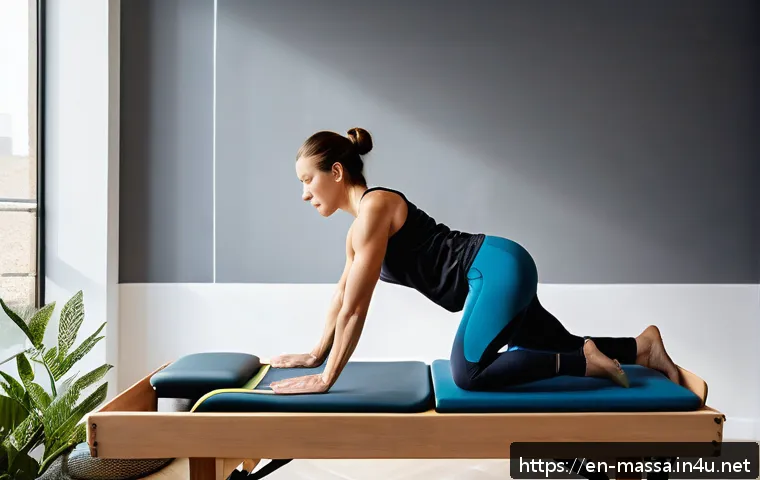
Pilates emphasizes controlled, precise movements focusing on core strength, balance, and flexibility. Incorporating Pilates after a massage session helps stabilize the muscles that have just been loosened up.
It’s like giving your body a blueprint for proper movement patterns, reducing the chance of re-injury. I’ve found that regular Pilates practice enhances body awareness, which is crucial for maintaining alignment and preventing compensatory habits that lead to chronic pain.
Synergizing Massage and Pilates for Optimal Healing
The magic happens when these two methods are combined thoughtfully. Massage prepares your muscles by releasing tension, while Pilates retrains your body to move efficiently and with better control.
This combo creates a positive feedback loop: improved muscle elasticity from massage supports deeper Pilates stretches, and Pilates strengthens the muscles to maintain the benefits of massage.
Many fitness professionals I know swear by this integrated approach to speed up recovery and boost performance longevity.
Preventing Injuries by Balancing Flexibility and Strength
Identifying Muscle Imbalances Early
One of the biggest contributors to sports injuries is muscle imbalance—when some muscles are tight and overactive while others are weak and underused.
Sports massage helps identify and alleviate these tight spots, but without strengthening the opposing muscles, the problem often returns. Pilates serves as an excellent corrective exercise by targeting those weaker areas, helping to create a balanced muscular structure.
From personal observation, athletes who combine both methods report fewer strains and a noticeable decrease in nagging aches.
Improving Joint Mobility and Stability
Massage techniques can increase joint range by releasing soft tissue restrictions, but without proper control, this newfound mobility can lead to instability.
Pilates focuses heavily on joint stabilization through controlled movements and core engagement, providing the necessary support to keep joints healthy and functional.
This balance between mobility and stability is essential for injury prevention, especially in high-impact sports or repetitive motion activities.
Long-Term Benefits for Athletic Performance
By addressing both flexibility and strength, this dual approach not only prevents injuries but also enhances overall athletic capacity. The combination creates a resilient body less prone to fatigue and overuse problems.
From the stories I’ve heard and my own trials, consistent integration of massage and Pilates leads to improved endurance, better coordination, and quicker recovery times, allowing athletes to train harder and smarter.
Optimizing Training Efficiency and Body Awareness
Releasing Physical and Mental Tension
Sports massage is well-known for its calming effects on both the body and mind. The rhythmic pressure and focus on problem areas can reduce cortisol levels and promote relaxation.
This mental release is vital because stress negatively impacts muscle recovery and performance. When paired with Pilates, which requires intense concentration and mindfulness, the combination enhances mental clarity and body awareness.
In my experience, this synergy helps athletes tune into their bodies, improving movement quality and reducing the risk of injury caused by fatigue or distraction.
Enhancing Proprioception Through Movement
Pilates trains the body to sense its position in space, a skill called proprioception, which is crucial for balance and coordination. After a massage loosens up tight muscles and fascia, Pilates exercises reinforce proper alignment and movement patterns, making athletes more efficient and less prone to errors during performance.
I’ve noticed that this heightened proprioceptive feedback significantly benefits those recovering from injury or returning to sport after a layoff.
Building Sustainable Habits for Wellness
Integrating massage and Pilates encourages a holistic approach to fitness, focusing on recovery as much as on exertion. This mindset shift is key to long-term wellness and sustainable training routines.
Athletes who adopt this integrated method often develop better self-care habits, including regular stretching, hydration, and mindful movement. I’ve found that this leads to a virtuous cycle where recovery supports performance, and performance motivates consistent recovery practices.
Customizing Recovery Plans for Individual Needs
Assessing Muscle Tension and Movement Patterns
No two bodies are the same, so recovery strategies must be personalized. A skilled massage therapist can pinpoint specific areas of tension and dysfunction, while a Pilates instructor can assess movement quality and muscular imbalances.
Together, they provide a comprehensive picture that guides customized programming. From what I’ve seen, this tailored approach yields faster and more effective results compared to one-size-fits-all routines.
Adapting Intensity and Frequency
Depending on the athlete’s training load, injury history, and goals, the intensity and frequency of massage and Pilates sessions should be adjusted. For example, someone recovering from a minor muscle strain may benefit from gentle massage and low-impact Pilates, while a high-performance athlete might require deeper tissue work combined with advanced Pilates techniques.
I’ve worked with clients who found that regular check-ins and adjustments keep their recovery on track and prevent setbacks.
Incorporating Feedback for Continuous Improvement
Ongoing communication between the athlete, massage therapist, and Pilates instructor is essential. Feedback about pain levels, mobility changes, and overall well-being helps refine the program.
This collaborative approach ensures that the recovery plan evolves alongside the athlete’s progress. In practice, I’ve noticed that those who actively participate in this dialogue experience more consistent improvements and greater motivation.
Measuring the Impact: Benefits Summary
| Aspect | Sports Massage | Pilates | Combined Effect |
|---|---|---|---|
| Muscle Recovery | Releases tension, improves circulation | Strengthens and stabilizes muscles | Speeds healing, reduces soreness |
| Flexibility | Breaks down adhesions and tightness | Enhances controlled stretching | Increases range of motion safely |
| Injury Prevention | Identifies and alleviates tight spots | Corrects imbalances and supports joints | Reduces strain and risk of re-injury |
| Mental Focus | Promotes relaxation and stress relief | Improves body awareness and concentration | Enhances mind-body connection |
| Performance | Improves muscle function | Builds core strength and coordination | Boosts endurance and movement efficiency |
Incorporating Recovery Into Your Weekly Routine
Scheduling Massage and Pilates for Maximum Benefit
Finding the right balance between massage and Pilates sessions depends on your weekly training schedule. For example, placing a massage session after a heavy workout day can help soothe sore muscles, while following up with Pilates a day or two later reinforces strength and flexibility gains.
Personally, spacing these sessions 48 to 72 hours apart has worked best to avoid overloading the body while maintaining consistent recovery.
Listening to Your Body’s Signals
One of the most important lessons I’ve learned is to tune into how your body responds. If you feel unusually fatigued or experience sharp pain, it’s a sign to adjust intensity or take a rest day.
Both massage and Pilates offer modifications that accommodate different energy levels and physical states. Being flexible with your recovery plan ensures you stay on track without risking burnout or injury.
Combining With Other Recovery Practices
While massage and Pilates form a powerful core of recovery, integrating other methods such as hydration, nutrition, sleep, and gentle mobility exercises can amplify results.
For instance, drinking plenty of water post-massage helps flush out toxins, and proper sleep supports tissue repair. I’ve found that athletes who embrace a comprehensive approach to recovery tend to see the greatest improvements in performance and overall well-being.
Understanding the Science Behind the Combo
Physiological Effects on Muscle Tissue
Sports massage induces mechanical pressure that stretches muscle fibers and fascia, promoting blood flow and reducing muscle spasms. This increased circulation brings oxygen and nutrients necessary for repair.
Pilates activates the deep stabilizing muscles, enhancing neuromuscular control and promoting balanced muscle recruitment. Together, these effects create an optimal environment for muscle regeneration and functional movement.
Neurological Benefits of Integrated Practice
The nervous system plays a critical role in recovery and performance. Massage helps calm the sympathetic nervous system, reducing stress hormones, while Pilates engages the parasympathetic system through mindful breathing and controlled movement.
This neurological balance improves motor control and reduces muscle guarding, which often accompanies stress or injury. I’ve observed that this dual impact enhances relaxation and readiness to perform.
Long-Term Adaptations for Athletes
Over time, combining these practices leads to structural and functional adaptations. Muscles become more pliable and stronger, connective tissues more resilient, and movement patterns more efficient.
This translates to sustained performance gains and lower injury rates. From both personal experience and professional insight, athletes who commit to this integrated recovery strategy build a foundation for lifelong fitness and health.
Conclusion
Combining targeted sports massage with Pilates offers a powerful approach to muscle recovery and injury prevention. Through releasing tension and reinforcing proper movement patterns, this integrated method supports both physical healing and long-term athletic performance. Adopting these techniques consistently can help anyone maintain a resilient, balanced, and efficient body.
Helpful Tips to Remember
1. Schedule massage sessions after intense workouts to reduce soreness, followed by Pilates to rebuild strength and flexibility.
2. Pay close attention to your body’s signals and adjust recovery intensity accordingly to avoid overtraining or injury.
3. Integrate hydration, quality sleep, and balanced nutrition alongside massage and Pilates for optimal healing.
4. Work with professionals to customize your recovery plan based on your unique muscle tension and movement patterns.
5. Maintain open communication with your therapist and instructor to continuously refine your program and track progress.
Key Takeaways
A well-rounded recovery strategy blends muscle relaxation and strengthening to create lasting benefits. Effective recovery requires balancing flexibility with stability, adapting sessions to individual needs, and fostering a mindful connection between body and mind. Prioritizing this holistic approach not only prevents injuries but also enhances overall performance and well-being.
Frequently Asked Questions (FAQ) 📖
Q: uestionsQ1: How does combining sports massage with Pilates improve athletic performance?
A: Integrating sports massage with Pilates creates a powerful synergy that enhances both muscle function and body alignment. Sports massage helps release muscle tension and improve blood flow, which reduces soreness and speeds up recovery.
Meanwhile, Pilates focuses on strengthening the core, improving flexibility, and promoting balanced movement patterns. When used together, they support better posture, increase range of motion, and help athletes move more efficiently, which ultimately boosts overall performance and reduces the risk of injury.
Q: Can Pilates and sports massage help prevent injuries during intense training?
A: Absolutely. Pilates builds a strong foundation by targeting deep stabilizing muscles and correcting imbalances that often lead to injury. On the other hand, sports massage addresses tightness and adhesions in the muscles and connective tissue, preventing stiffness and improving circulation.
This combination ensures that muscles stay flexible and balanced, while joints remain stable. From my experience working with athletes, those who regularly incorporate both practices tend to experience fewer strains and recover faster when injuries do occur.
Q: How often should I combine sports massage and Pilates to see significant benefits?
A: The ideal frequency depends on your training intensity and personal goals, but generally, incorporating Pilates sessions 2-3 times per week alongside a sports massage every 1-2 weeks yields noticeable improvements.
For example, after a tough workout week, a sports massage can relieve built-up tension, while Pilates maintains muscle balance and flexibility in between.
Listening to your body is key—if you feel persistent tightness or fatigue, adjusting the frequency to include more recovery sessions can make a big difference in sustaining long-term progress.