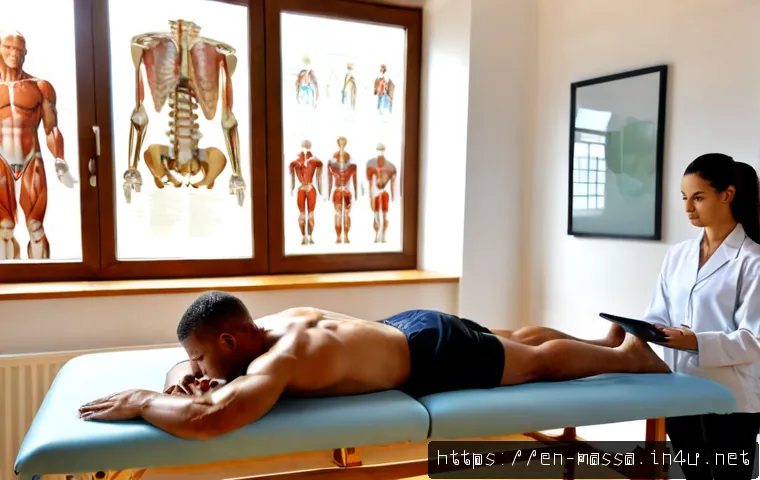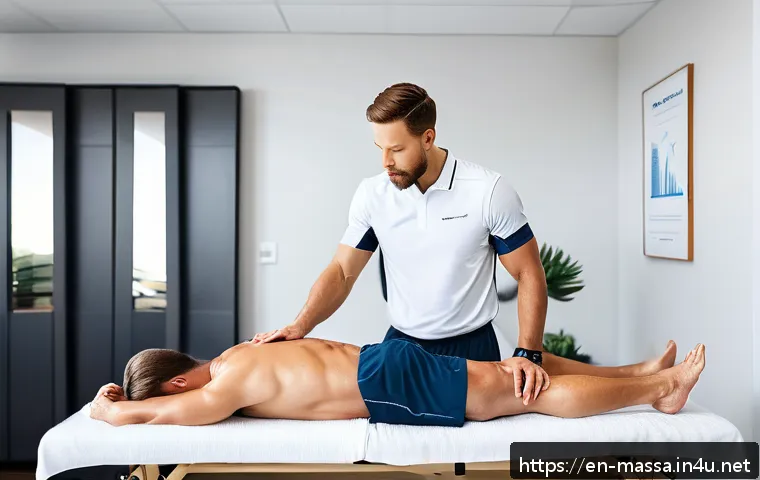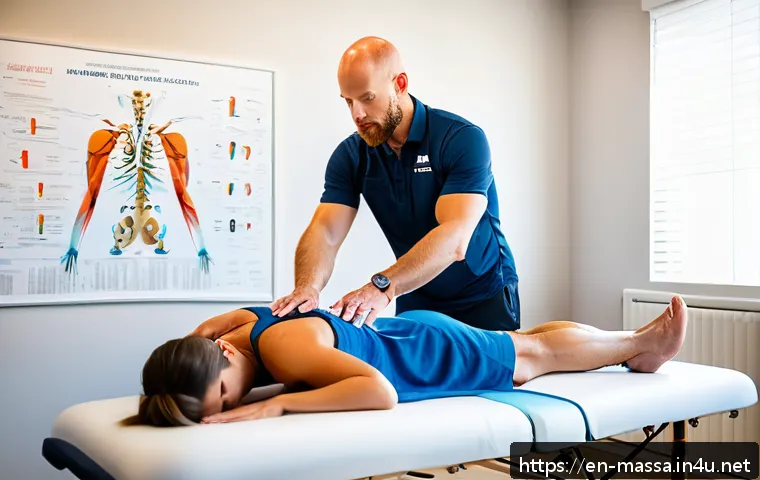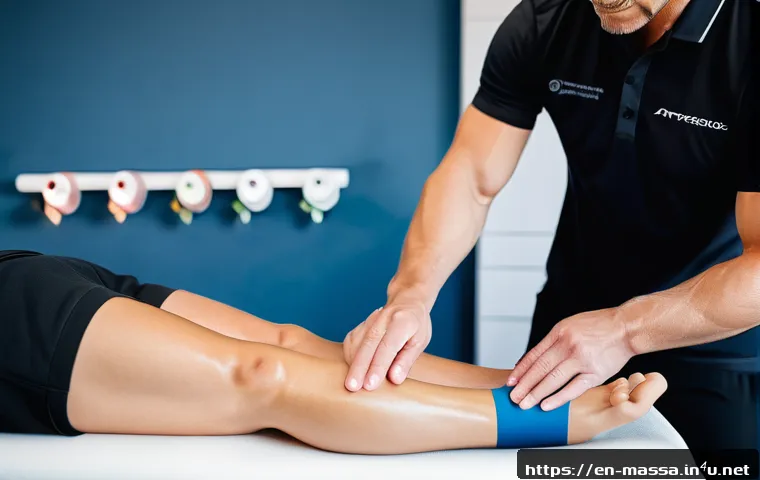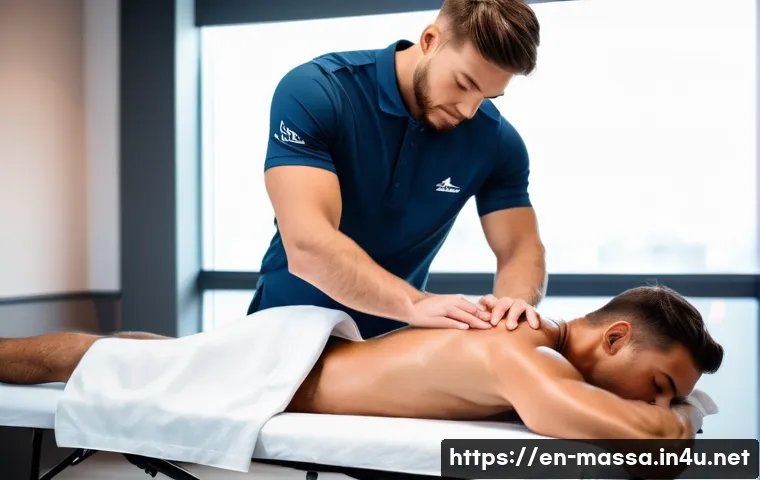
Maintaining peak physical performance isn’t just about hitting the gym; it often requires expert care tailored to the body’s unique needs. Sports massage therapists play a crucial role in this process by helping athletes and fitness enthusiasts recover faster, prevent injuries, and improve flexibility.

Their specialized techniques can make a significant difference in how the body handles stress and recovers from intense activity. Whether you’re a weekend warrior or a professional athlete, understanding the benefits of sports massage can elevate your fitness journey.
Let’s dive deeper and explore how these therapies contribute to effective physical conditioning and overall well-being. I’ll guide you through the details to ensure you get the full picture!
Optimizing Muscle Recovery Through Targeted Techniques
Deep Tissue and Myofascial Release
When muscles are pushed to their limits, they often develop knots and adhesions that restrict movement and cause discomfort. Deep tissue massage focuses on applying firm pressure to these tight areas, breaking down scar tissue and enhancing blood flow.
My experience with this technique has shown me how effective it can be for long-lasting relief, especially after intense workouts or competitions. Unlike superficial massages, this method targets the deeper layers of muscle and connective tissue, helping to reduce chronic muscle tension and speeding up the recovery process.
The key is consistent sessions, which gradually improve muscle elasticity and reduce pain.
Enhancing Circulation for Faster Healing
One of the most immediate benefits of sports massage is improved circulation. By stimulating blood flow, massage therapists help deliver oxygen and nutrients to fatigued muscles, accelerating tissue repair.
I’ve noticed that even a single session can make a big difference in reducing muscle soreness the next day. This enhanced circulation also helps flush out metabolic waste like lactic acid, which builds up during strenuous exercise and contributes to stiffness and fatigue.
Over time, improved vascular function supports overall endurance and stamina, making it easier to bounce back after demanding training sessions.
Customized Approaches Based on Activity Type
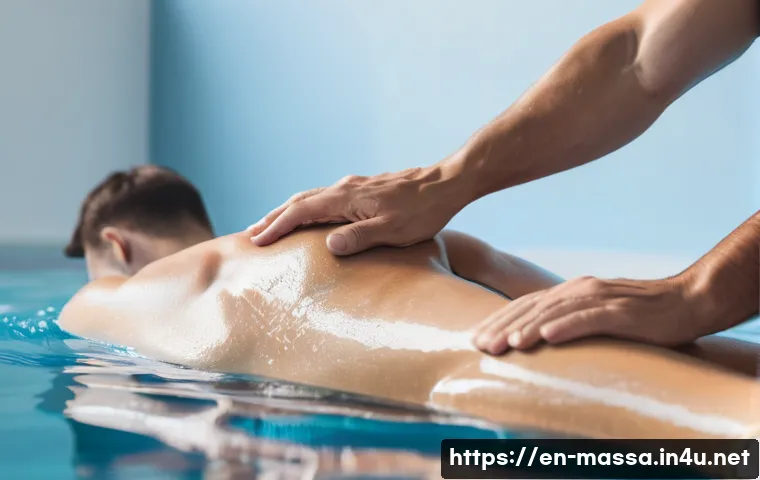
Not all athletes require the same massage approach. For instance, runners may benefit more from techniques that focus on the calves, hamstrings, and IT band, while swimmers might need attention on the shoulders and upper back.
I’ve worked with clients across various sports, and tailoring the massage to the specific demands of their activity always yields the best results. Therapists often assess muscle imbalances and areas prone to overuse, designing sessions that address these unique needs.
This personalized approach not only speeds recovery but also helps prevent future injuries by keeping the body balanced and flexible.
Boosting Flexibility and Range of Motion
Stretching Integration During Massage
A crucial part of maintaining peak physical performance is preserving or improving flexibility, which sports massage often incorporates directly into the session.
Dynamic stretching combined with massage helps lengthen tight muscles and fascia, enabling better joint mobility. From my own experience, integrating stretching into massage feels like a reset button for tight muscles, allowing them to move more freely and reducing the risk of strains.
This is especially helpful for athletes who perform repetitive motions, as it counters the natural shortening of muscles that can occur over time.
Improving Joint Function Through Soft Tissue Work
Soft tissue manipulation around joints can significantly enhance their function by releasing tension in surrounding muscles and connective tissues. For example, loosening the quadriceps and hamstrings can improve knee joint mobility, which is vital for runners and cyclists alike.
I’ve seen clients regain a surprising amount of motion after a few massage sessions focused on these areas, which directly translates to better performance and less joint discomfort.
This benefit is often overlooked but is essential for maintaining healthy biomechanics.
Long-Term Gains From Consistent Flexibility Training
While a single massage session can provide immediate relief and improved range of motion, the real benefits come with regular treatment. Consistency helps maintain tissue health and prevents stiffness from returning, which is crucial for athletes who train frequently.
Personally, scheduling monthly sessions alongside my regular stretching routine has made a noticeable difference in my ability to perform without pain or restriction.
Over time, this commitment to flexibility through massage contributes to injury prevention and sustained athletic longevity.
Injury Prevention and Management Strategies
Identifying Early Signs of Muscle Strain
One of the most valuable aspects of working with a skilled therapist is their ability to detect subtle signs of muscle strain or overuse before they develop into serious injuries.
This proactive approach can save athletes from lengthy downtime. From my experience, therapists often notice asymmetries or tender spots that the athlete might not even be aware of.
Addressing these early warning signs with targeted massage and corrective exercises can keep training on track and reduce the risk of chronic problems.
Post-Injury Rehabilitation Support
Sports massage plays a vital role in the rehabilitation process after injury. It helps reduce scar tissue formation, improve circulation to damaged areas, and promote faster healing.
I’ve found that combining massage with physical therapy exercises accelerates recovery timelines significantly. Therapists tailor their techniques to the stage of healing, from gentle lymphatic drainage during the acute phase to deeper, more stimulating work as tissues rebuild.
This layered approach ensures the body recovers fully and regains strength safely.
Educating Athletes on Self-Care Techniques
Beyond hands-on treatment, many therapists empower athletes with self-care advice like foam rolling, stretching routines, and hydration tips. I recall a time when learning simple self-massage techniques dramatically improved my muscle soreness after long training days.
This education helps athletes maintain muscle health between sessions, reducing dependence on professional intervention and fostering a sense of ownership over their recovery process.
The combination of expert care and personal maintenance forms a powerful strategy for injury prevention.
Psychological and Emotional Benefits of Therapeutic Touch
Reducing Stress and Anxiety
Physical performance isn’t only about the body; mental well-being plays a huge role. Sports massage offers a calming effect that helps reduce stress hormones like cortisol.
I’ve personally noticed that after a massage session, I feel more relaxed and mentally refreshed, which positively impacts my motivation and focus during workouts.
The soothing environment and human touch trigger a parasympathetic response, promoting relaxation and lowering anxiety levels, which is crucial for athletes facing competitive pressures.
Enhancing Mind-Body Connection
Massage therapy encourages athletes to tune into their bodies, recognizing areas of tension or imbalance that might otherwise go unnoticed. This heightened body awareness can lead to better movement patterns and injury avoidance.
I’ve found that clients who regularly receive massage develop a deeper understanding of their physical limits and needs, which translates into smarter training choices.
This connection nurtures a holistic approach to fitness, where mental and physical health support each other.
Improving Sleep Quality
A lesser-known but powerful benefit of sports massage is its positive effect on sleep. Good sleep is essential for recovery and overall performance. After receiving massage, many people report falling asleep faster and experiencing deeper rest.
In my own routine, massage sessions scheduled before rest days have improved my sleep cycles noticeably. This improved sleep supports muscle repair, hormone balance, and cognitive function, all of which are critical for athletes striving to maintain peak condition.
Understanding the Science Behind Massage Techniques
Physiological Effects on Muscle Tissue
Massage influences muscle physiology in several important ways. It increases local blood flow, which delivers oxygen and nutrients necessary for cellular repair.
The pressure applied also stimulates mechanoreceptors that help reduce muscle tone and promote relaxation. I’ve seen studies confirming these effects, but my personal observations align perfectly: muscles feel less tense and recover faster after targeted massage.
This scientific basis helps explain why massage is such a trusted tool in sports recovery.
Impact on the Nervous System
Another key component is the effect on the nervous system. Massage stimulates the parasympathetic nervous system, inducing a relaxation response that lowers heart rate and blood pressure.
This calming effect not only eases muscle tension but also reduces perceived pain. Through my hands-on experience, I’ve noticed clients entering a deeply relaxed state during sessions, which helps break the cycle of pain and stress that often accompanies intense training or injury.
Role of Lymphatic Drainage
Lymphatic drainage massage is a specialized technique that assists in removing waste products and excess fluids from tissues. This can reduce swelling and promote faster recovery after exercise-induced inflammation or injury.
I’ve used this approach with clients who experience post-event swelling or muscle tightness, and the results have been impressive. By facilitating lymph flow, the body’s natural healing processes are supported, leading to less downtime and quicker return to activity.
Comparing Sports Massage with Other Recovery Methods
Sports Massage vs. Foam Rolling
While foam rolling is a popular self-myofascial release technique, it doesn’t always reach the depth or precision of professional massage. Foam rolling is great for daily maintenance and can be done anytime, but I’ve found that it sometimes lacks the ability to target specific trigger points effectively.
A therapist’s hands can adjust pressure and technique based on real-time feedback, which is invaluable for stubborn muscle issues. Both methods have their place, but they complement rather than replace each other.
Sports Massage vs. Physical Therapy
Physical therapy often focuses on rehabilitating injuries with exercises and modalities like ultrasound or electrical stimulation, whereas sports massage primarily addresses muscle tension and circulation.
In my experience, combining both yields the best outcomes—physical therapy restores function, while massage alleviates pain and promotes relaxation. Athletes recovering from injury benefit from this integrated approach, which speeds healing and restores performance levels efficiently.
Sports Massage vs. Cryotherapy
Cryotherapy uses cold exposure to reduce inflammation and soreness, which contrasts with the warm, pressure-based techniques of massage. I’ve tried both and noticed cryotherapy provides quick relief from acute inflammation, while massage offers more comprehensive benefits for muscle flexibility and mental relaxation.
Depending on the athlete’s needs and timing, one may be preferable over the other, but often they work best when used together as part of a broader recovery strategy.
| Recovery Method | Main Benefits | Limitations |
|---|---|---|
| Sports Massage | Improves circulation, reduces muscle tension, enhances flexibility | Requires professional therapist, cost and time commitment |
| Foam Rolling | Self-administered, maintains muscle health, affordable | Less precise, limited depth, potential for improper technique |
| Physical Therapy | Rehabilitates injuries, restores function, uses multiple modalities | Focused on injury recovery, may be less relaxing |
| Cryotherapy | Reduces inflammation quickly, decreases soreness | Short-term relief, accessibility issues, not for everyone |
Conclusion
Optimizing muscle recovery through targeted techniques like deep tissue massage, enhanced circulation, and customized approaches can significantly improve athletic performance and reduce injury risk. Combining flexibility training and injury management strategies creates a holistic recovery plan that supports both physical and mental well-being. Consistency and personalization are key to long-term success in maintaining peak condition and resilience.
Useful Information to Know
1. Regular deep tissue and myofascial release sessions help break down muscle knots and improve blood flow for faster recovery.
2. Enhanced circulation from massage accelerates nutrient delivery and waste removal, reducing soreness and fatigue.
3. Tailoring massage techniques to specific sports addresses unique muscle imbalances and prevents injuries effectively.
4. Integrating stretching and soft tissue work during massage boosts flexibility and joint mobility, essential for peak performance.
5. Combining sports massage with self-care methods like foam rolling and physical therapy maximizes recovery and injury prevention.
Key Takeaways
Consistent, targeted massage therapy is a powerful tool for speeding muscle recovery, preventing injuries, and enhancing flexibility. Personalized treatment plans that consider the athlete’s sport and physical condition yield the best outcomes. Supporting massage with self-care and complementary therapies like physical therapy ensures a comprehensive approach to maintaining long-term athletic health and performance.
Frequently Asked Questions (FAQ) 📖
Q: How often should I get a sports massage to see benefits in my training and recovery?
A: The ideal frequency really depends on your training intensity and personal needs. For most active individuals, getting a sports massage once every two to four weeks can significantly aid recovery and injury prevention.
If you’re training intensely or preparing for a competition, weekly sessions might be more beneficial. I’ve noticed that regular massages not only help reduce muscle soreness but also improve my range of motion, making workouts feel smoother and less taxing overall.
Q: Can sports massage help with specific injuries, or is it only for general muscle soreness?
A: Sports massage can definitely assist with certain injuries, especially soft tissue issues like muscle strains, tightness, and minor sprains. Skilled therapists use targeted techniques to break down scar tissue, enhance blood flow, and promote faster healing.
However, it’s important to combine massage with proper medical evaluation for serious injuries. From my experience, addressing minor issues early with massage often prevents them from becoming bigger problems down the line.
Q: What should I expect during a sports massage session, and how can I prepare for it?
A: A typical session usually starts with the therapist asking about your recent activity, any pain or tight spots, and your fitness goals. They’ll then use a mix of deep tissue work, stretching, and specialized techniques tailored to your body’s needs.
To get the most out of it, stay hydrated before and after, avoid heavy exercise right before your appointment, and communicate openly with your therapist about pressure levels or discomfort.
Personally, I find that showing up relaxed and well-hydrated makes the whole experience more effective and enjoyable.