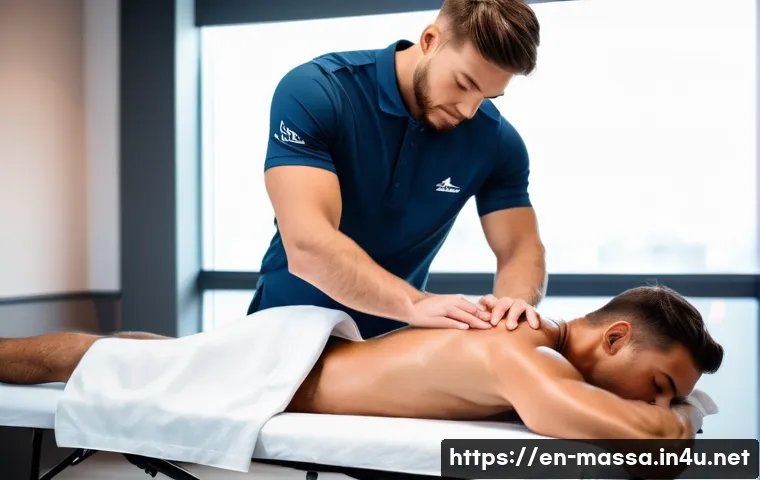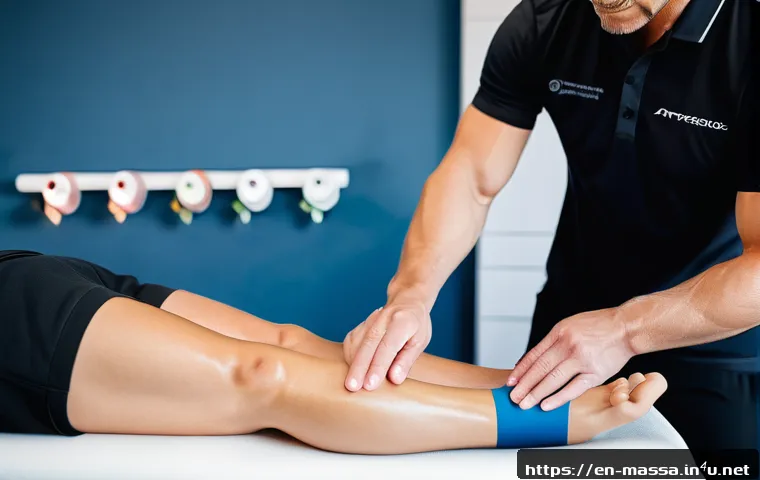
With the growing focus on health and wellness, sports massage therapy is carving out a vital niche in the fitness and rehabilitation world. Whether you’re an athlete recovering from intense training or someone curious about a career in this hands-on field, understanding the real-life experiences behind the job can be eye-opening.
In this post, I’ll share insider stories and practical tips that go beyond textbooks, helping you grasp what it truly takes to thrive as a sports massage therapist today.
Stick around if you want to explore how this rewarding profession blends science, skill, and empathy in exciting ways.
Realities of Daily Life as a Sports Massage Therapist
Juggling Client Needs and Physical Demands
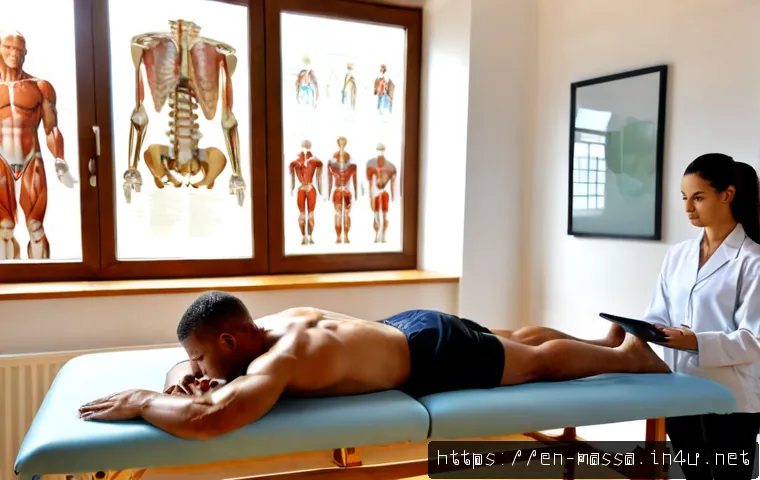
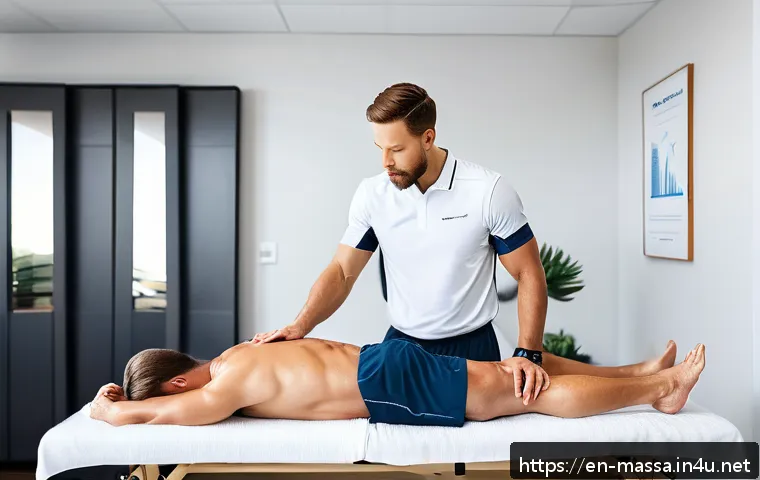
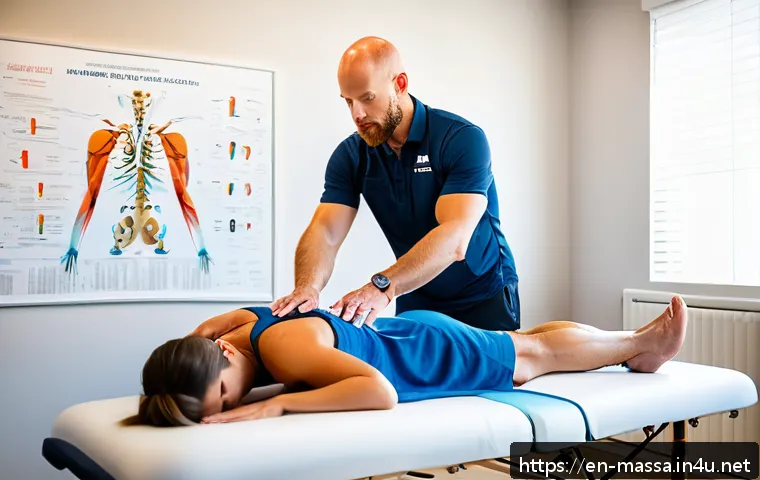
Working as a sports massage therapist isn’t just about applying techniques—it’s a daily balancing act between understanding each client’s unique body and managing your own physical stamina.
From personal experience, the variety in muscle tension, injury history, and emotional state means no two sessions feel the same. You might start the day with an elite runner needing deep tissue work for a hamstring strain, then switch to a weekend warrior looking for relaxation after a long hike.
Physically, the job can be taxing—standing for hours, applying firm pressure repeatedly, and maintaining proper posture to avoid burnout. Over time, I’ve learned to incorporate regular self-care routines and ergonomic tools to keep myself in shape alongside my clients.
Building Trust Beyond the Table
Clients often come in stressed, anxious, or skeptical, especially when dealing with chronic pain or recovery setbacks. Establishing trust quickly is crucial.
I’ve found that explaining what I’m doing during the massage and inviting questions helps clients relax both mentally and physically. It’s not just about the hands-on work but also the conversation and empathy that turn a treatment into a healing experience.
Many athletes appreciate the chance to discuss their training schedules, goals, and frustrations, which adds a layer of personalized care that textbooks rarely cover.
Learning on the Go: The Importance of Adaptability
No amount of classroom learning can fully prepare you for the unpredictability of real-world practice. I’ve encountered situations where a planned technique didn’t suit a client’s pain threshold or where an unexpected injury surfaced mid-session.
Being adaptable, staying calm, and thinking critically on the spot are skills that only come with hands-on experience. It’s also essential to keep up with the latest research and modalities to offer the best care possible, which means continuous education is part of the job—not just a checkbox.
Insights into the Career Path and Job Market
Demand Trends and Work Environments
The rise in health consciousness and sports participation has boosted demand for specialized massage therapists. Clinics, sports teams, rehabilitation centers, and wellness spas all seek professionals who can blend therapeutic skills with sports science knowledge.
From what I’ve seen, therapists who build strong networks and develop niche expertise—such as injury prevention or post-surgical rehab—stand out in a crowded market.
Freelancing offers flexibility but requires hustle and smart marketing, while clinic positions provide stability but may limit schedule freedom.
Qualifications and Certifications That Matter
Though requirements vary by region, most employers prioritize certified therapists with specialized training in sports massage techniques and anatomy.
Personally, earning additional credentials in myofascial release and kinesiology taping opened doors to higher-paying gigs and referrals. Practical experience trumps paper credentials when it comes to client results, so internships and volunteer work are invaluable.
Here’s a quick overview of common certifications and their impact:
| Certification | Typical Duration | Career Benefit | Estimated Cost |
|---|---|---|---|
| Certified Sports Massage Therapist | 6-12 months | Essential for clinic/sports team jobs | $2,000-$5,000 |
| Myofascial Release Certification | 3-6 months | Enhances treatment depth and client outcomes | $1,000-$3,000 |
| Kinesiology Taping Certification | 1-2 days | Popular add-on skill for athletes | $300-$600 |
| First Aid & CPR | 1-2 days | Required for most professional settings | $100-$200 |
Financial Realities and Growth Potential
Starting salaries can be modest, especially for therapists working independently without an established client base. However, those who excel in building repeat business and diversifying their services often see significant income growth within a few years.
Personally, I noticed my hourly rate increase by over 50% after two years, once I developed a reputation and honed marketing skills. Offering packages, corporate wellness contracts, or group workshops also creates additional revenue streams that make the profession sustainable long-term.
Mastering Client Communication and Emotional Intelligence
Reading Beyond Words: Understanding Client Signals
In sports massage, clients often aren’t vocal about their discomfort or progress. I’ve learned to pay close attention to subtle cues like muscle twitching, facial expressions, and breathing patterns.
These non-verbal signals guide adjustments in pressure and technique, ensuring sessions remain effective without causing pain. Developing this sensitivity took time and patience, but it’s a game changer for client satisfaction and trust.
Handling Difficult Conversations with Compassion
Sometimes, you must deliver tough advice—like encouraging rest when clients want to push through pain or explaining why certain treatments need more time.
Approaching these talks with empathy rather than authority makes a huge difference. I try to frame feedback positively, emphasizing partnership in their recovery journey.
This approach fosters cooperation and often leads to better outcomes than simply prescribing treatments.
Motivating Clients for Long-Term Wellness
Massage therapy is just one piece of the puzzle; encouraging clients to adopt healthier habits outside the clinic is part of the job. I often share simple stretches, hydration tips, or ergonomic advice tailored to their lifestyle.
Witnessing clients improve and knowing you played a role is incredibly rewarding. This holistic perspective—combining hands-on care with education—defines the best practitioners in the field.
Adapting Techniques to Diverse Athlete Profiles
Customizing Approaches for Different Sports
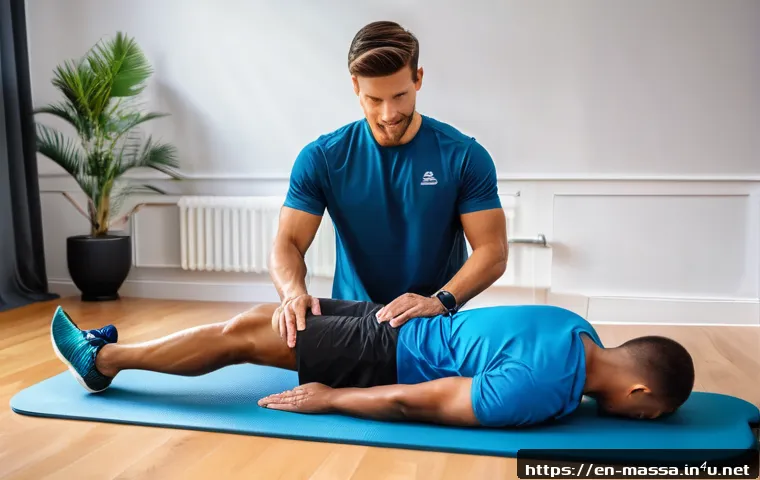
Each sport places unique demands on the body, requiring tailored massage strategies. For example, runners often need focused calf and IT band work, while swimmers benefit from shoulder and upper back treatments.
I’ve found that spending time understanding an athlete’s training regimen helps me customize sessions that prevent injuries and boost performance. This sport-specific knowledge elevates the therapy beyond generic massage.
Managing Acute Injuries Versus Chronic Conditions
Acute injuries require careful handling to avoid exacerbation, often involving gentle techniques and referral to medical professionals when needed. Chronic conditions like tendinitis or repetitive strain demand a more strategic approach combining massage with rehabilitation exercises.
From my experience, educating clients about the differences and setting realistic expectations upfront prevents frustration and builds a collaborative healing environment.
Incorporating Technology and Tools
The integration of tools such as massage guns, cupping sets, and heat therapy has expanded the sports massage toolkit. I personally use these adjuncts to enhance manual techniques, especially for stubborn knots or deep tissue issues.
While technology can’t replace skilled hands, it offers valuable options for tailoring treatments and improving efficiency, especially during busy clinic days.
Balancing Personal Wellness with a Demanding Career
Preventing Burnout and Physical Strain
One of the biggest challenges I faced early on was managing my own well-being while helping others. The physical nature of massage means therapists often develop repetitive strain injuries or fatigue.
Scheduling regular breaks, practicing yoga, and investing in proper body mechanics made a huge difference in my longevity. It’s essential to treat yourself with the same care you give your clients.
Setting Boundaries and Managing Workload
It’s tempting to take every client or work extra hours to build experience and income, but overextending leads to diminished quality and health issues.
Learning to say no and prioritize your workload was a tough but necessary lesson. I now schedule “off” days and limit back-to-back appointments to maintain energy and focus, which clients appreciate through more attentive care.
Finding Community and Support
Connecting with fellow therapists through workshops, online forums, or local groups provides invaluable emotional and professional support. Sharing experiences, troubleshooting challenges, and celebrating successes together helps combat isolation and keeps motivation high.
Being part of a community made me realize this career is not just a job but a shared passion with others who truly understand the ups and downs.
In Conclusion
Being a sports massage therapist is a rewarding yet challenging journey that requires both physical resilience and emotional intelligence. The ability to adapt, communicate effectively, and continuously learn plays a crucial role in delivering quality care. Balancing client needs with personal well-being ensures long-term success in this profession. Ultimately, it’s about making a positive impact on athletes’ lives while nurturing your own passion and health.
Useful Information to Keep in Mind
1. Regular self-care and ergonomic practices are essential to prevent burnout and physical strain in this physically demanding career.
2. Building trust through open communication and empathy enhances client satisfaction and treatment effectiveness.
3. Specialized certifications and continuous education significantly improve career opportunities and client outcomes.
4. Adapting massage techniques to the specific demands of different sports maximizes injury prevention and performance enhancement.
5. Establishing clear boundaries and managing workload wisely helps maintain energy levels and the quality of care provided.
Key Takeaways
Success as a sports massage therapist hinges on a balance between professional expertise and personal wellness. Developing strong interpersonal skills fosters trust and client loyalty, while ongoing education keeps your practice current and effective. Physical demands require proactive self-care strategies to sustain longevity in the field. Lastly, knowing when to set limits and seek community support can greatly enhance both your career and personal fulfillment.
Frequently Asked Questions (FAQ) 📖
Q: What skills are essential to become a successful sports massage therapist?
A: Beyond mastering massage techniques, a successful sports massage therapist needs strong communication skills to understand clients’ needs and provide tailored treatments.
Empathy plays a big role since clients often come in pain or frustration, so being patient and supportive helps build trust. Additionally, knowledge of anatomy and physiology is crucial to effectively target muscles and prevent injury.
From my experience, blending technical skill with genuine care is what sets top therapists apart.
Q: How does sports massage therapy support athletes during their training and recovery?
A: Sports massage therapy helps athletes by enhancing blood flow, reducing muscle tension, and speeding up recovery after intense workouts or injuries. In real life, I’ve seen athletes bounce back faster when regular massages are part of their routine, especially before competitions to improve flexibility and after events to reduce soreness.
It’s not just about relaxation—it’s a strategic tool that complements their overall training plan, helping them perform at their best.
Q: What challenges should someone expect when starting a career in sports massage therapy?
A: One of the biggest challenges is building a steady client base, which requires patience and effective networking. Physically, the job can be demanding—long hours on your feet and repetitive motions mean self-care is vital to avoid burnout or injury.
Also, staying updated with the latest techniques and certifications is important to maintain credibility. Personally, I found that balancing the physical demands with ongoing learning and client relationships is key to long-term success in this field.