In today’s competitive wellness industry, standing out as a sports massage therapist isn’t just about skill—it’s about showcasing your expertise through a compelling portfolio.

With more athletes and fitness enthusiasts seeking specialized care, having a well-crafted portfolio can be the key to attracting high-paying clients who value professionalism and results.
I’ve seen firsthand how a strong presentation can transform client inquiries into loyal bookings. If you’re ready to elevate your practice and make a lasting impression, this guide will walk you through the essential steps to build a portfolio that truly sells your unique talents.
Let’s dive in and unlock the potential that sets you apart in this thriving market.
Highlighting Your Specialized Skills and Certifications
Detailing Relevant Qualifications
When crafting your portfolio, make sure to clearly showcase your certifications and specialized training in sports massage therapy. Clients and athletes want to know that you have the right credentials to handle their specific needs, whether that’s injury rehabilitation, deep tissue techniques, or pre/post-event massage.
Include the names of certifying bodies, dates of completion, and any continuing education courses you’ve taken. This not only builds trust but also positions you as a knowledgeable expert rather than just a general massage therapist.
Showcasing Practical Experience
Your hands-on experience is invaluable. Don’t just list job titles—describe the types of athletes or sports you’ve worked with, the common injuries you’ve treated, and the outcomes you’ve helped clients achieve.
For example, mentioning your experience with marathon runners or professional soccer players adds a layer of credibility that generic descriptions lack.
Sharing brief case studies or testimonials here can be a game-changer by making your impact tangible.
Using Visuals to Demonstrate Technique
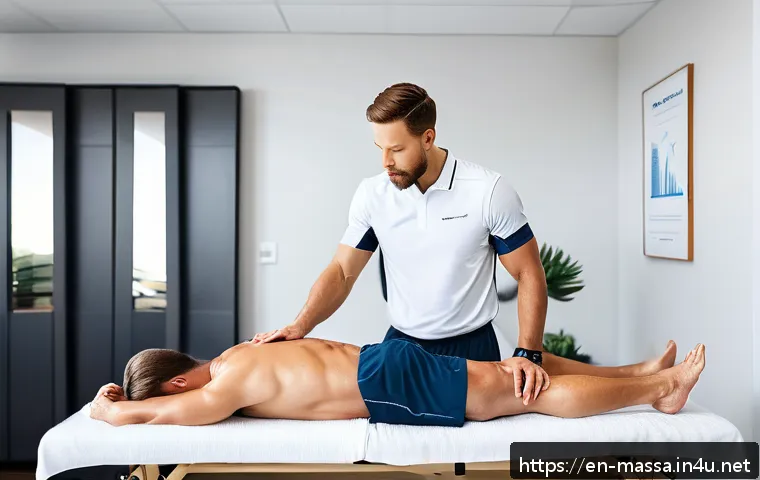
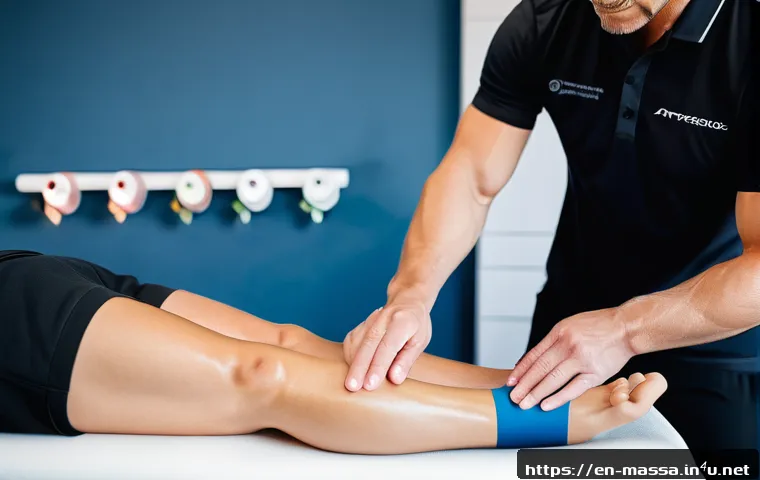
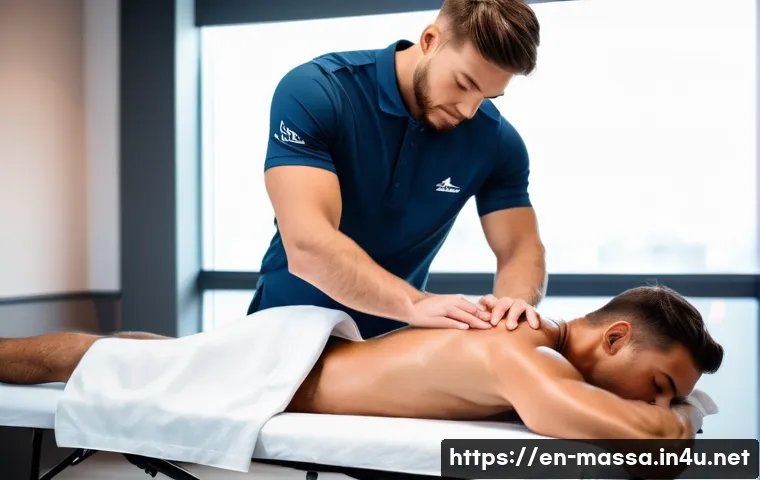
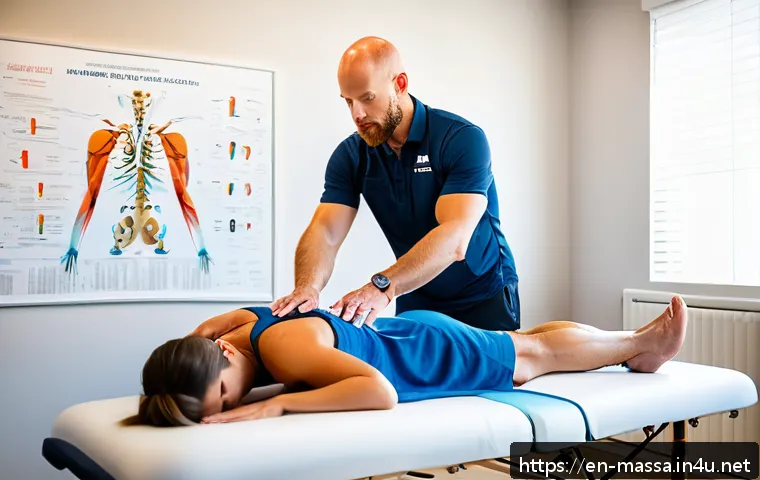
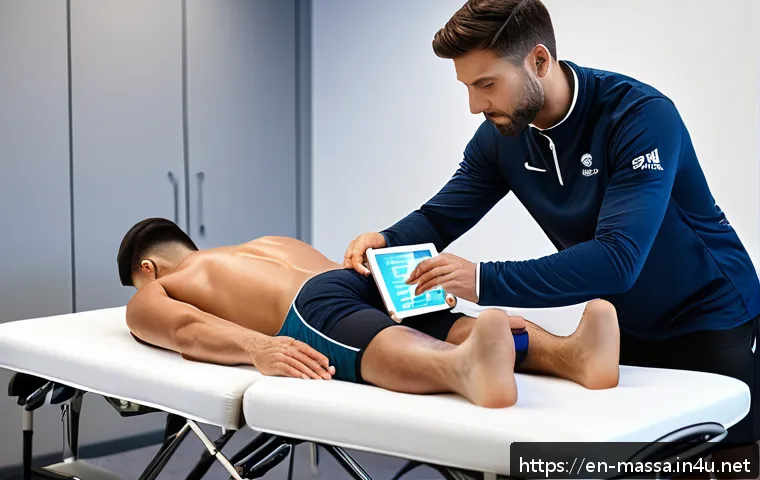
A picture is worth a thousand words, and this couldn’t be truer for massage therapy portfolios. Include photos or short videos of you performing techniques (with client consent), or annotated images explaining your approach to common sports injuries.
Visual aids help potential clients visualize what you do, making your expertise more accessible and engaging. This kind of content also boosts your portfolio’s professionalism and can keep visitors on your page longer, which is great for SEO and engagement metrics.
Structuring Your Portfolio for Maximum Impact
Organizing Content Logically
Your portfolio should flow naturally, guiding visitors through your story without overwhelming them. Start with a brief introduction about your philosophy and approach, then move on to your qualifications, experience, client results, and finally, contact information or booking options.
Clear headings and subheadings help users quickly find what they’re looking for, and breaking text into digestible chunks prevents fatigue. Think of your portfolio as a conversation where each section builds on the last.
Incorporating Client Success Stories
Stories sell, especially in wellness and therapy. Share detailed client success stories that highlight the challenges your clients faced and how your sports massage services helped them recover or improve performance.
Be sure to get permission and maintain privacy, but these narratives create emotional connections and demonstrate your real-world effectiveness. Including before-and-after scenarios or measurable improvements strengthens your case.
Optimizing for Mobile and Speed
Many visitors will access your portfolio via mobile devices, so responsiveness is crucial. Make sure your images and videos load quickly and your layout adapts seamlessly to smaller screens.
Slow-loading pages or cluttered designs can turn potential clients away before they even read about your skills. Using clean, modern templates and compressing media without sacrificing quality enhances the user experience, which directly correlates with higher conversion rates.
Leveraging Testimonials and Reviews to Build Trust
Collecting Authentic Feedback
Nothing builds trust faster than honest testimonials from satisfied clients. Actively request reviews after sessions, focusing on how your sports massage contributed to their recovery or athletic performance.
Authenticity is key—avoid generic praise and encourage clients to mention specific benefits or improvements. This level of detail resonates more deeply with prospective clients.
Displaying Testimonials Strategically
Place testimonials where they naturally complement your content, such as near descriptions of your services or case studies. Use a variety of formats—text quotes, video snippets, or star ratings—to keep the page dynamic and engaging.
Rotating testimonials periodically also signals an active, thriving practice, which reassures visitors.
Responding to Feedback Professionally
Engage with your reviews by thanking clients or addressing concerns openly and professionally. This shows you value client input and are committed to continuous improvement.
A portfolio that reflects this ongoing dialogue appears more credible and approachable, making visitors more likely to trust you with their care.
Presenting a Professional Image Through Design and Branding
Choosing a Clean, Consistent Visual Style
Your portfolio’s design should reflect your professionalism and the high-quality service you provide. Use a consistent color scheme, typography, and logo placement that align with your brand identity.
Clean layouts with plenty of white space help visitors focus on your content without distractions. Remember, a cluttered or outdated design can undermine even the best credentials.
Incorporating Your Personal Brand Voice
Your writing style is part of your brand, so keep your tone friendly, confident, and approachable. Share anecdotes or insights that reveal your personality and passion for sports massage.
This human touch helps build rapport before clients even meet you, making them feel more comfortable reaching out.
Utilizing Professional Photography
Investing in high-quality photos of yourself in action, your workspace, and equipment can dramatically elevate your portfolio’s appeal. Professional imagery conveys seriousness and attention to detail, both qualities clients appreciate when entrusting their health to a therapist.
Utilizing Data and Metrics to Demonstrate Effectiveness
Tracking Client Outcomes
Whenever possible, measure and document improvements in your clients’ conditions. This could be reductions in pain levels, increased range of motion, or faster recovery times.
Quantifying these results adds a powerful layer of evidence to your portfolio and helps differentiate you from competitors who rely solely on anecdotal claims.
Presenting Data Clearly
Use charts, graphs, or tables to make these metrics easy to understand at a glance. Visual representations can quickly communicate your effectiveness and professionalism, appealing to clients who appreciate evidence-based approaches.
Continuous Improvement Through Feedback Loops
Collecting data isn’t just for show; it should inform your ongoing practice development. Regularly review client feedback and outcomes to refine your techniques and service offerings.
Highlighting your commitment to growth and excellence can reassure clients that they’re choosing a therapist dedicated to the best possible care.
Making It Easy for Clients to Connect and Book
Clear Contact Information
Don’t make visitors hunt for your phone number or email. Display your contact details prominently on multiple sections of your portfolio, including a dedicated “Contact” page.
Adding clickable phone links and email addresses improves usability, especially on mobile devices.
Integrating Online Booking Systems
Offering an online booking option can significantly increase conversion rates. Many clients prefer the convenience of scheduling sessions without phone calls or emails.
Choose a user-friendly platform that syncs with your calendar and sends automatic reminders to reduce no-shows.
Providing Multiple Communication Channels
Some clients may prefer texting, social media messaging, or live chat for quick questions. Including these options makes your practice more accessible and approachable.
The easier you make it for people to reach you, the more likely they are to take that first step toward becoming a loyal client.
| Portfolio Section | Key Elements | Why It Matters |
|---|---|---|
| Certifications & Skills | Accreditation details, specialized training, ongoing education | Builds credibility and trust with clients |
| Experience & Case Studies | Types of clients, sports specialties, treatment outcomes | Demonstrates practical expertise and real-world success |
| Visual Content | Photos, videos, technique explanations | Engages visitors and clarifies services offered |
| Testimonials | Authentic client reviews, success stories | Enhances trust and emotional connection |
| Design & Branding | Consistent style, professional photography, personal tone | Projects professionalism and approachability |
| Data & Metrics | Client improvement stats, charts, feedback loops | Provides evidence of effectiveness and commitment |
| Contact & Booking | Clear info, online scheduling, multiple channels | Facilitates easy client engagement and conversions |
In Conclusion
Building a well-structured sports massage therapy portfolio is key to attracting and retaining clients. By clearly presenting your skills, experience, and client successes, you establish credibility and trust. Incorporating visuals, testimonials, and easy booking options further enhances engagement and professionalism. Remember, your portfolio is your first impression—make it count.
Helpful Tips to Keep in Mind
1. Regularly update your certifications and training to stay relevant and showcase ongoing professional development.
2. Use authentic client stories and measurable outcomes to demonstrate the real impact of your services.
3. Optimize your portfolio for mobile devices to reach clients wherever they are.
4. Maintain a consistent and approachable brand voice to connect emotionally with visitors.
5. Offer multiple, convenient ways for clients to contact you and schedule appointments to boost conversions.
Key Takeaways
A successful sports massage therapy portfolio combines clear presentation of credentials, practical experience, and client results with engaging visuals and user-friendly features. Prioritize authenticity and professionalism in every section, from testimonials to design. Additionally, leveraging data and feedback not only supports your expertise but also shows your commitment to continuous improvement. Finally, making contact and booking seamless ensures potential clients can easily take the next step toward working with you.
Frequently Asked Questions (FAQ) 📖
Q: uestionsQ1: What are the most important elements to include in a sports massage therapist portfolio?
A: A standout portfolio should highlight your certifications, specialized training, and hands-on experience with different athlete types. Including before-and-after case studies or testimonials from satisfied clients can add credibility.
Don’t forget to showcase your range of techniques and any measurable results, like improved recovery times or injury prevention success stories. Visuals such as photos or short videos demonstrating your skills can also make a big impact.
Q: How can I effectively attract high-paying clients through my portfolio?
A: To attract premium clients, your portfolio needs to communicate professionalism and results clearly. Tailor your content to address the specific needs of athletes and fitness enthusiasts, emphasizing how your approach improves performance and aids recovery.
Highlight any work with well-known athletes or teams, and include client testimonials that speak to your reliability and effectiveness. A clean, easy-to-navigate design paired with compelling storytelling about your journey and successes helps build trust and justifies higher rates.
Q: How often should I update my portfolio to stay relevant in the wellness industry?
A: Regular updates are essential—aim to refresh your portfolio at least every six months. This keeps your content current with the latest techniques, certifications, and client feedback.
Adding new success stories or recent client outcomes shows ongoing expertise and commitment to growth. Staying active with fresh content not only boosts your credibility but also improves your chances of being found through online searches, which is crucial in today’s competitive market.