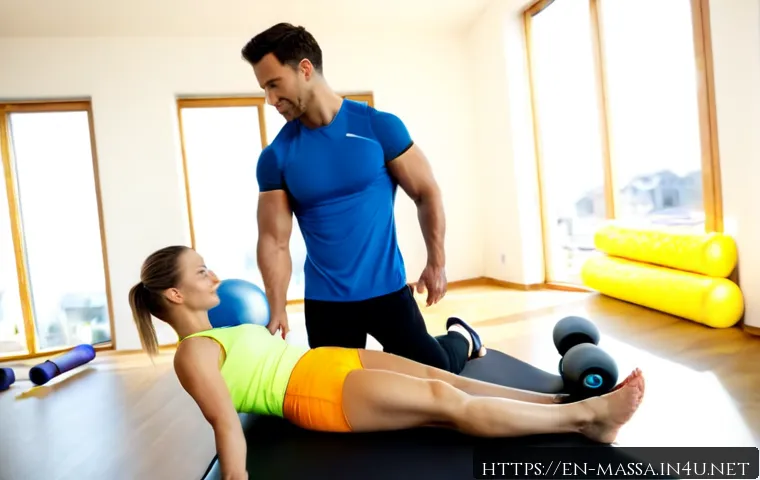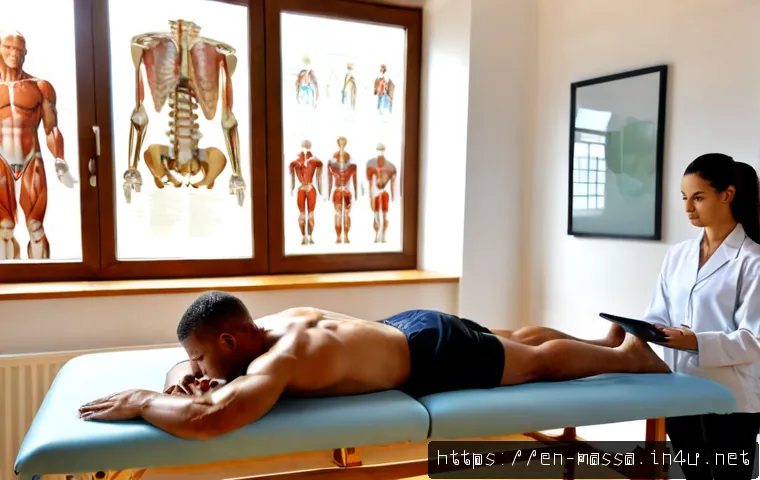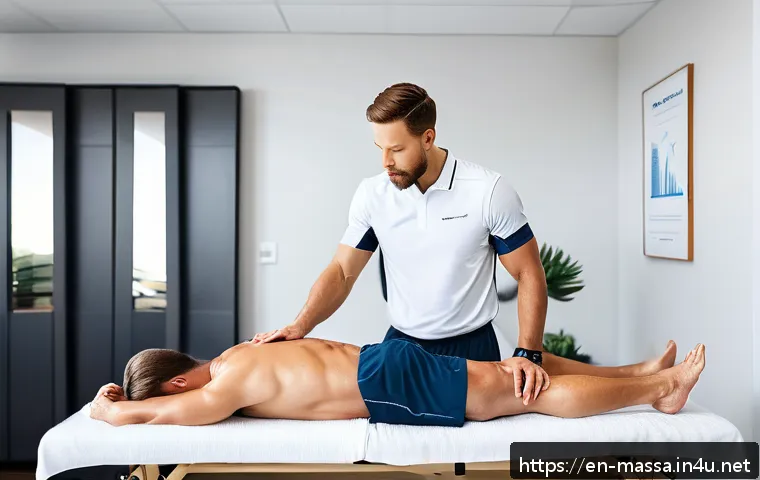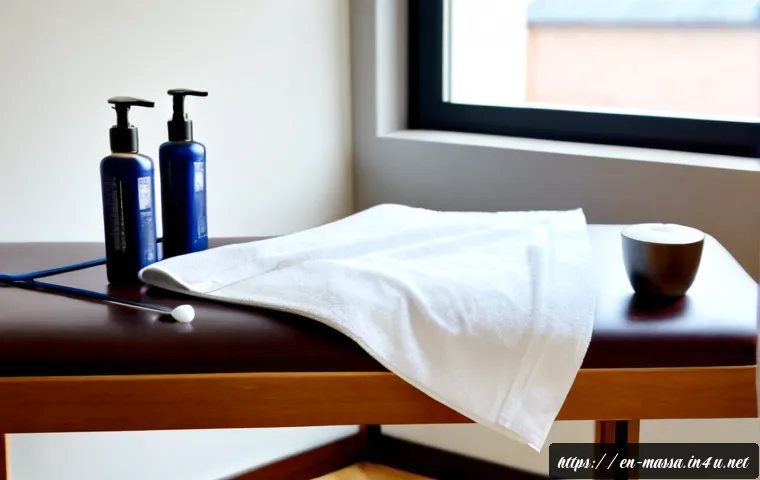
A professional sports massage starter kit should begin with a reliable table, washable linens, positioning supports, lubricant, and sanitation supplies.
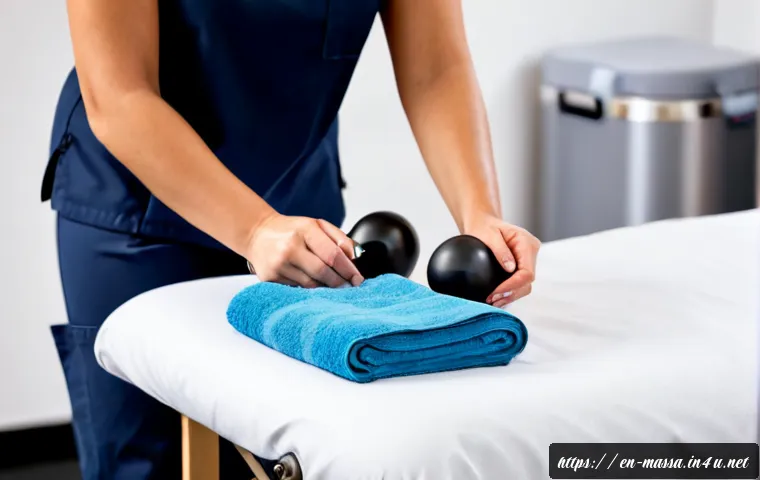
Premium equipment is most worth considering when session volume, mobile travel, shared clinic use, or replacement costs make durability and service support more important than the lowest initial price.
The right purchase depends on how and where you work: mobile practitioners need compact, protected gear, while clinic practices can prioritize stability and repeat-client comfort.
Adjustable table height can support better working posture by reducing excessive bending and reaching. Recovery devices can be useful additions, but they require appropriate training, cleaning procedures, and client-specific judgment.
Before buying, compare practical details such as carry weight, cleaning requirements, warranty coverage, return terms, and replacement-part availability.
A smaller, well-maintained kit is often more useful than a large collection of tools that complicates setup and sanitation.
At a Glance
- Start with the essentials: a suitable massage table, cleanable linens, bolsters, lubricant, and sanitation supplies.
- Choose by work format: portable equipment suits mobile sessions, while stationary setups can prioritize stability and regular clinic use.
- Buy for total value: consider cleaning, carrying accessories, repairs, replacement parts, and warranty support—not only the purchase price.
| Decision Area | Basic Option | Higher-Value Option | What to Compare Before Buying |
|---|---|---|---|
| Massage table | Portable table for occasional travel | Higher-capacity or clinic-focused table for frequent use | Carry weight, working stability, upholstery durability, stated working weight capacity, and replacement parts |
| Recovery tools | Manual tools and basic positioning supports | Percussion, thermal, or scraping tools used within training and practice procedures | Cleaning needs, storage, practitioner training, client suitability, and workflow impact |
| Hygiene setup | Washable barriers and routine disinfectant supplies | Organized linen, storage, and cleaning system for higher session volume | Non-porous surfaces, laundry needs, product instructions, and ongoing consumable costs |
The Core Equipment Kit for Professional Sports Massage
A practical sports massage setup does not need to be oversized. The most useful starting point is equipment that supports client comfort, practitioner movement, and routine hygiene during every session. Build the core kit first, then add recovery tools when your service format and client demand justify them.
The Essential Setup: Table, Linens, Positioning Supports, Lubricant, and Sanitation Supplies
Your table is the center of the treatment setup. An adjustable massage table can help support better practitioner ergonomics when the height is set to reduce excessive bending and reaching. For client comfort, include washable linens or barriers, a face-rest cover where appropriate, and positioning supports such as bolsters.
Bolsters can improve comfort and help a client maintain a position during targeted work. They are not a decorative extra; they can make a session easier to manage when the body needs stable support. Choose surfaces that are non-porous and easy to clean so routine hygiene procedures are easier between clients.
Also plan for lubricant, disinfectant products, laundry handling, and storage. These supplies may appear small compared with a professional massage table, but they are recurring practice costs and should be included in your operating budget.
What Can Wait Until the Practice Has Consistent Client Demand
Percussion devices, hot and cold tools, and scraping tools can be considered later. They may fit a recovery-focused service, but they are not a replacement for a stable table, clean linens, good positioning, and an efficient treatment workflow.
Powered and specialty tools also require appropriate practitioner training, cleaning procedures, and judgment based on the client’s health history, informed consent, local requirements, and service scope. Avoid buying a large tool kit simply because it looks comprehensive. A tool that stays in a case adds cost, storage needs, and cleaning responsibilities without improving the session.
Three-Line Buying Answer for First-Time Equipment Purchases
For mobile work: prioritize a portable table, protective carrying case, washable barriers, compact bolsters, and a simple sanitation kit.
For clinic work: prioritize table stability, durable upholstery, easy-clean surfaces, organized linen storage, and reliable replacement support.
For growing practices: upgrade when session volume, team use, travel demands, or recurring replacement needs show that entry-level equipment is no longer efficient.
Compare Tables, Recovery Tools, and Hygiene Supplies Before You Buy
Equipment comparisons are more useful when they focus on how the gear will be used each day. The best value is not automatically the least expensive option or the most feature-heavy option. It is the option that fits your treatment format with manageable cleaning, carrying, maintenance, and replacement demands.
Portable Versus Stationary Massage Tables: Stability, Weight, Client Access, and Workspace Needs
A portable massage table is often the practical choice for home visits, athletic events, and changing treatment locations. However, portability involves trade-offs. Compare carry weight, setup process, working stability, upholstery durability, and stated working weight capacity before making a decision.
A stationary or clinic-oriented table may be better for a dedicated treatment room, particularly when the table will be used repeatedly throughout the day or shared by multiple practitioners. It can reduce the need to carry equipment, but it also requires a workspace that supports client access, therapist movement, cleaning, and storage.
Do not assume a lighter table is automatically better for mobile work. A lighter option may be easier to carry, while a more substantial option may better fit your stability and durability priorities. Consider the full travel routine, including stairs, vehicle storage, carrying cases, linens, and supplies.
Manual Tools Versus Percussion and Thermal Recovery Devices
Manual tools are generally straightforward to store, carry, and incorporate into a treatment setup. Their value depends on practitioner skill, cleaning routines, and whether they support the services you actually provide. They can be a sensible choice for practitioners who need a compact kit.
Percussion devices and hot/cold tools may add options for recovery-focused services, but they introduce more variables. Review cleaning instructions, power or charging needs where relevant, protective storage, and the training required for appropriate use. Scraping tools also need clear sanitation procedures and careful consideration of client suitability.
Use equipment to support a well-run session, not to imply guaranteed outcomes. No tool setup can guarantee injury prevention, treatment results, or client satisfaction.
Upfront Cost Versus Long-Term Operating Value
A professional purchase should be assessed beyond its initial price. Consumables such as linens, disinfectant products, lotion, and laundry services create ongoing costs. Mobile therapists may also need protective carrying cases and replacement accessories that are easy to obtain.
When comparing massage equipment retailers or professional supply options, look at what happens after the sale. A lower upfront cost may be less attractive if upholstery is difficult to maintain, replacement parts are unavailable, or return policies are unclear. A stronger long-term choice may be one with understandable warranty terms, service support, and accessible parts.
Build a Safe, Efficient Treatment Setup
A professional-looking room or mobile setup should also be functional. The goal is to make the client feel supported while allowing the practitioner to work without unnecessary reaching, bending, clutter, or repeated interruptions.
Table Height, Therapist Posture, and Room Layout Considerations
Set table height with your working posture in mind. An adjustable table can help reduce excessive bending and reaching when it is set appropriately for the treatment approach and client position. Check that you can move around the table without blocked pathways or supplies placed out of reach.
In a clinic, leave room for client entry, changing procedures where applicable, clean linen storage, used-linen handling, and sanitation supplies. In a mobile environment, simplify the layout: identify a clear setup area, protect the table during transport, and keep frequently used items organized in a consistent order.
A practical test is simple: can you complete setup, treatment transitions, cleanup, and packing without searching through multiple bags? If not, the equipment arrangement may need refinement before more tools are added.
Cleaning Routines, Washable Barriers, and Storage Practices
Routine hygiene depends on materials and workflow. Non-porous, easy-to-clean surfaces can make between-client procedures more manageable. Use washable barriers and linens as part of a consistent system, and store clean items separately from used items.
Follow the cleaning instructions for each table surface, tool, carrying case, and accessory. Recovery tools need their own cleaning process rather than being treated as an afterthought. Organized storage also helps protect equipment from unnecessary wear during travel or between clinic sessions.
For higher session volume, consider whether your laundry process and supply storage can keep pace. Running out of clean linens or disinfectant products can disrupt workflow even when the primary equipment is excellent.
Common Equipment Mistakes That Affect Client Comfort or Workflow
One common mistake is choosing a table based only on price without reviewing its stated capacity, stability, upholstery care needs, or transport demands. Another is selecting materials that are difficult to sanitize, which can complicate routine procedures.
Practitioners can also overbuild a kit too early. Oversized tool collections add carrying weight and setup time for mobile work. In a clinic, cluttered carts and poorly planned storage can make sessions feel less organized.
Finally, do not overlook ergonomics. A table that is not adjusted for your working height, or supplies placed too far away, can create repetitive reaching and bending throughout the day.
Equipment Priorities for Mobile Therapists and Clinic Practices
Mobile and clinic-based sports massage practices share the same core requirements, but the priority order changes. Your equipment should reflect how clients access your service, how often you travel, and how much setup time is reasonable at each location.
Mobile Setup: Carrying Weight, Setup Time, Vehicle Storage, and Protective Cases
For mobile work, a compact setup is usually more useful than a large collection of specialty items. Start with a portable massage table that balances carry weight with working stability, then add a protective carrying case, compact linens, bolsters, lubricant, and sanitation supplies.
Think through the full route from vehicle to treatment area. Carrying weight is not limited to the table; it includes the case, linens, supports, cleaning supplies, and recovery tools. Protective cases can help reduce wear during transport and make storage more orderly.
A repeatable setup process is valuable because client locations vary. Keep essential items easy to access and avoid relying on room features that may not be available at every appointment.
Clinic Setup: Durability, Repeat-Client Comfort, and Multi-Practitioner Use
Clinic equipment can focus more heavily on durability, client comfort, and long-term maintenance. A stable table with upholstery that is easy to clean may be a stronger fit for repeat sessions than a lightweight travel-first model.
When more than one practitioner uses the room, standardize the setup where possible. Consistent storage for bolsters, linens, sanitation supplies, and recovery tools can reduce confusion and make cleaning responsibilities easier to manage. Consider whether accessories, replacement parts, and service support are available before selecting a model for shared use.
Expanding a Kit for Teams, Athletic Events, and Recovery-Focused Services
Expansion should follow real operating needs. A team setting or athletic event may require more portable supplies, spare linens, additional supports, and a clear storage system. A recovery-focused service may justify selected percussion, thermal, or scraping tools when training, cleaning procedures, and client suitability have been considered.
Before expanding, ask whether the new item improves a specific part of your workflow: client positioning, transport, sanitation, setup speed, or service consistency. If the answer is unclear, the purchase may be optional rather than essential.
When Premium Equipment Is Worth the Investment
Premium equipment is not automatically necessary for every practice. It becomes more relevant when lower-cost gear creates repeated friction through instability, difficult cleaning, frequent replacement, poor transport protection, or limited support after purchase.
Signs a Higher-Capacity Table or Upgraded Upholstery May Be Justified
Consider a higher-capacity or more durable table when your current setup no longer matches your session volume, working conditions, or client comfort expectations. Frequent packing and unpacking, regular clinic use, and shared practitioner use can place more demand on frames, hinges, upholstery, and carrying accessories.
Upgraded upholstery may be worth reviewing when easy cleaning and long-term surface care are important to your routine. Confirm material details with the supplier rather than assuming that all professional-looking surfaces have the same durability or maintenance requirements.
Evaluating Warranties, Service Support, Return Windows, and Replacement Parts
Warranty terms, replacement parts, retailer return policies, and service support can materially affect the value of professional massage equipment. Exact terms vary by brand, retailer, region, and model, so check the current product documentation before placing an order.
Useful questions include whether replacement components can be obtained, how warranty claims are handled, what the return conditions are, and whether normal cleaning or transport affects coverage. These details matter especially for portable massage tables and powered recovery devices that receive frequent use.
Avoiding Low-Cost Purchases That Create Recurring Replacement Costs
A low initial price can be appealing for a new solo business, but replacement costs may grow if the equipment is difficult to clean, lacks protective storage, or cannot be repaired with available parts. This does not mean the most expensive option is always best.
The better approach is to match the purchase to expected use. A simple, durable setup with good maintenance practices may offer more practical value than a bargain item that needs frequent replacement or an advanced device that does not fit your services.
Selection Criteria and Comparison Summary
Before purchasing, compare working stability, carry weight, cleaning requirements, upholstery care, stated capacity, protective accessories, warranty terms, return conditions, and replacement-part availability. Match the equipment tier to your actual session volume and service format: compact and protected for mobile work, durable and organized for clinic work. Include continuing costs for linens, laundry, disinfectant products, lotion, repairs, and storage. Ask suppliers whether the surfaces are easy to clean, what parts can be replaced, and what support is available after purchase. For current specifications and full conditions, check the official product and retailer details before buying.
Final Thoughts
The best sports massage equipment setup is usually built in stages. Start with equipment that supports stable treatment, clean routines, comfortable positioning, and efficient practitioner movement. Add recovery devices and premium upgrades when they solve a real workflow need rather than simply adding more items to carry or store. A careful comparison of durability, portability, and support can help protect the long-term value of the practice.
Useful Information to Keep in Mind
Keep a total-cost list: include cleaning supplies, linen replacement, laundry, carrying cases, repairs, and accessories alongside the original equipment purchase.
Protect mobile equipment: carrying cases and organized packing can help reduce transport-related wear.
Review materials carefully: easy-to-clean, non-porous surfaces can support more manageable hygiene routines.
Buy tools with a purpose: recovery devices should fit your training, service approach, cleaning process, and client considerations.
Important Considerations
Product pricing, material quality, availability, working weight limits, warranty coverage, and return conditions vary by model, retailer, and region. The appropriate use of percussion devices, thermal tools, and scraping tools depends on practitioner training, client health history, local regulations, and informed consent. No equipment choice can guarantee treatment outcomes, injury prevention, or client satisfaction. Confirm current product specifications and professional requirements before making a purchase or using a new device in practice.
Frequently Asked Questions
Q1. What equipment is essential for a new sports massage therapist?
A1. A practical starter setup includes a suitable massage table, washable linens or barriers, positioning supports, lubricant, and sanitation supplies. Mobile practitioners may also prioritize a protective carrying case and a compact packing system.
Q2. Should I choose a portable or stationary massage table?
A2. Choose based on your work format. Portable tables are designed for travel but require a balance of carry weight, stability, upholstery durability, and stated working weight capacity. Stationary clinic setups can prioritize stability, repeat-client comfort, and frequent use in one location.
Q3. Are percussion devices and thermal tools necessary for sports massage?
A3. They are optional recovery add-ons rather than universal essentials. Their use requires appropriate training, cleaning procedures, and consideration of client health history, consent, local regulations, and service scope.
Q4. What should I compare before buying professional massage equipment?
A4. Compare warranty terms, carry weight, cleaning requirements, working stability, upholstery care, return policies, protective case options, and replacement-part availability before buying.
Q5. Why should ongoing costs matter when choosing a massage table or recovery tool?
A5. Professional operating costs can include linens, disinfectant products, lotion, laundry services, protective accessories, repairs, and replacement parts. These costs affect long-term value beyond the initial purchase price.