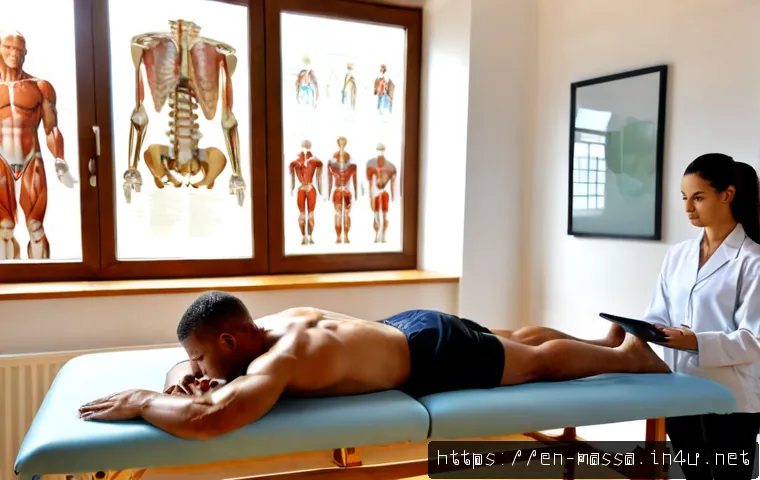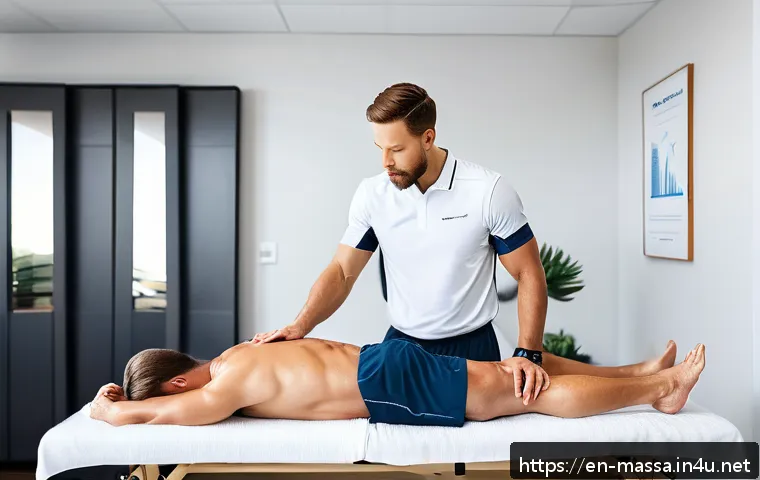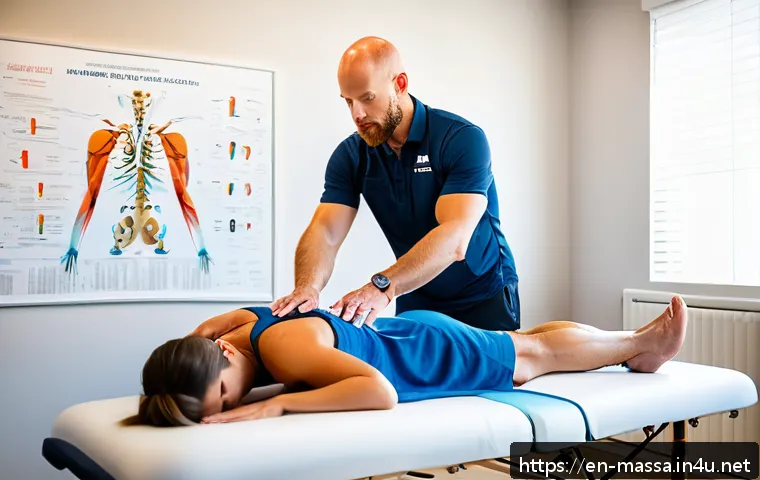
Sports massage can support recovery, mobility, and body awareness, but it cannot guarantee that an athlete will avoid injury. The strongest injury-reduction plan still centers on gradual workload progression, sport-specific strength work, warm-ups, sleep, hydration, and appropriate medical care when symptoms are concerning.
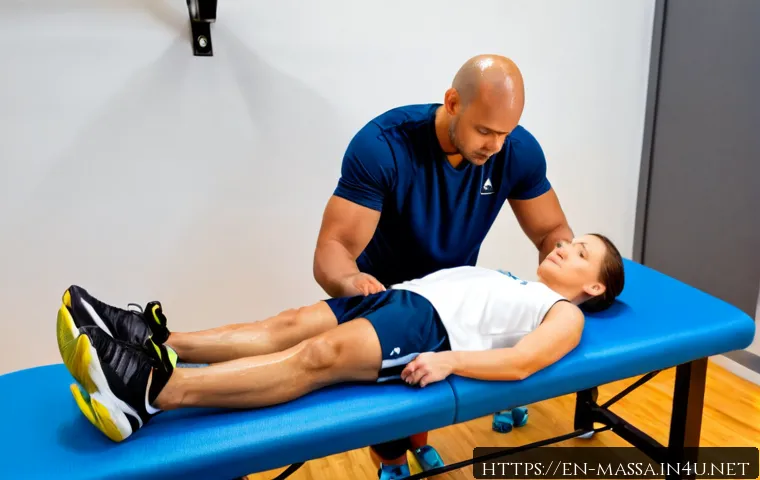
A massage session may be worth considering when soreness or tightness is affecting recovery habits, but it should not be used to explain away persistent pain.
Before paying for a session, compare the provider’s credentials, communication style, session goal, and total cost. Physical therapy or medical assessment may be a better first step when pain includes swelling, weakness, instability, numbness, or trouble bearing weight.
The right choice depends on symptoms, training demands, health history, and what needs to change in the training plan.
At a Glance
- Sports massage is recovery support, not injury diagnosis or treatment. It may help some athletes feel less sore, more relaxed, or temporarily more mobile.
- Training management matters most. Gradual workload changes, strength work, warm-ups, sleep, hydration, and recovery days are the foundation.
- Do not manage serious symptoms with massage alone. Persistent pain, instability, marked swelling, numbness, weakness, or inability to bear weight needs qualified assessment.
| Option | Best Use Case | Typical Time Commitment | Booking Considerations |
|---|---|---|---|
| Self-recovery tools | General post-training soreness, routine mobility, and recovery habits | Can be built into a regular training routine | Focus on sleep, hydration, warm-ups, sensible progression, and sport-specific strength work |
| Sports massage | Recovery support, relaxation, perceived soreness, and body-awareness goals | Requires scheduling around training and competition demands | Compare credentials, communication, technique preferences, session goals, and total cost |
| Physical therapy | Pain, recurring limitations, return-to-activity planning, or a need for movement assessment | May involve follow-up visits and an exercise plan | Ask whether the provider can assess training-related limitations and coordinate with your goals |
| Medical assessment | Marked swelling, joint instability, numbness, weakness, inability to bear weight, or persistent pain | Depends on the condition and assessment process | Do not delay evaluation because a massage temporarily feels helpful |
What Sports Massage Can—and Cannot—Do for Injury Risk
The short answer: recovery support is not a guarantee of prevention
Sports injuries are commonly linked with training errors, inadequate recovery, previous injury, poor conditioning, and sudden changes in workload. Sports massage does not remove those risks on its own. It may support an athlete’s recovery routine, but it cannot reliably prevent every strain, sprain, overuse problem, or contact injury.
A useful way to view a session is as one part of a broader athletic recovery plan. If massage helps you notice areas of fatigue, prioritize recovery, or return to a more sensible training schedule, it may have practical value. That is different from treating it as insurance against injury.
How reduced soreness and better body awareness may support smarter training decisions
Some people experience temporary improvements in perceived soreness, relaxation, or range of motion after massage. Those effects may make it easier to recognize how the body feels after demanding activity. For example, an athlete may notice that a calf feels unusually tender after a sharp jump in running volume and choose to reduce load rather than force another hard session.
The key is the decision that follows. Feeling looser after treatment is not a reason to add extra mileage, lift heavier, or ignore a recurring problem. Use the session to support better choices about recovery, warm-ups, movement quality, and workload progression.
Red flags that should not be managed with massage alone
Massage is not the right first response to every pain complaint. Seek assessment from a qualified healthcare professional for persistent pain, joint instability, marked swelling, numbness, weakness, or inability to bear weight. These symptoms need more than a recovery-focused appointment.
It is also important not to assume that pain is “just tightness.” The source of pain cannot be determined from soreness alone, and a short-term sense of relief does not identify the cause. When in doubt, pause the aggravating activity and get appropriate guidance.
Compare Recovery Options Before You Book a Session
Self-care, sports massage, physical therapy, and medical assessment: when each fits
Self-care fits routine recovery needs: a gradual warm-up, regular strength work, sleep, hydration, and sensible changes to training load. These basics are usually more important for injury risk than any single treatment.
Sports massage may fit when the goal is relaxation, perceived soreness relief, temporary mobility support, or a recovery check-in during a busy training block. Physical therapy may be a more suitable option when an athlete has recurring pain, reduced function, or needs structured return-to-activity guidance. Medical assessment comes first when symptoms are serious or function is clearly affected.
Value factors to compare: session goal, provider credentials, time, and total cost
Before comparing sports therapy services, define the goal in plain language. Is the goal post-training relaxation? Better awareness of recurring tightness? Help organizing recovery around a tournament? A provider should be able to explain whether the session goal is within their scope of practice.
Then compare the practical factors: local credentials, sport familiarity, session length, scheduling flexibility, communication, and total cost. Licensing or credential requirements vary by location, so verify what applies where you live. If a package is offered, make sure it matches a clear recovery goal rather than creating pressure to book visits you do not need.
When a package or recurring appointment may not be the best choice
A recurring sports massage appointment can be convenient for some active adults, but convenience is not the same as necessity. Do not commit simply because a provider recommends frequent sessions without discussing your training schedule, symptoms, and response to prior care.
A package may be a poor fit if the main issue is a sudden injury, worsening pain, or a training plan that needs adjustment. In those cases, reassessing workload, seeking physical therapy, or obtaining medical advice may offer more useful next steps than more hands-on work.
Build an Injury-Reduction Routine Around Training, Not Just Treatment
Progress workload gradually and plan recovery days
Sudden changes in workload are a common injury-related concern. Whether you run, play field sports, lift, or compete in weekend events, build changes gradually. A new training phase, extra competition, or a return after time away should come with recovery planning rather than an immediate attempt to regain everything at once.
Recovery days are not a sign that training is failing. They are part of a sustainable schedule. If soreness, fatigue, or movement changes keep building, review the workload before adding another demanding session.
Use warm-ups, strength training, mobility, sleep, and nutrition as the foundation
A gradual warm-up prepares the body for the specific activity ahead. Sport-specific strength work can support conditioning demands. Mobility work may be useful when it helps you move comfortably for your sport, but it should not replace strength, skill practice, or sensible load management.
Sleep, hydration, and nutrition also belong in the recovery conversation. Massage may complement these habits, but it cannot make up for chronically inadequate recovery or poorly planned training.
Use massage timing to support recovery before or after demanding activity
Massage timing should match the athlete’s purpose and current condition. Before a demanding activity, the goal may be relaxation or movement preparation rather than aggressive pressure. After a difficult training block, the focus may be recovery support and an honest discussion about how the body responded.
There is no universal schedule for session frequency, pressure, or technique. Ask the therapist how the planned approach fits your sport, competition calendar, recent workload, and any current symptoms.
Massage Safety: Pressure, Timing, and Common Mistakes
Why “deeper” is not always better
Deep pressure is not automatically more effective. A session should be adapted to the person, the goal, and the current state of the tissue. More intensity may not be appropriate around recent injuries, bruising, inflammation, medical conditions, or medication use.
A good sports massage therapist should invite feedback during the session. If the pressure feels sharp, alarming, or makes symptoms worse, say so immediately. Productive communication is more useful than trying to “push through” treatment discomfort.
Avoiding aggressive work over acute pain, swelling, bruising, or suspected injury
A common mistake is booking intense work directly over acute pain because it feels like the fastest fix. Avoid aggressive massage over swelling, bruising, suspected injury, or areas that are highly painful. These situations require caution and may require assessment before any massage is considered.
Do not use massage as permission to train through pain. If a movement repeatedly hurts, the better question is what needs to change in training, technique, recovery, or clinical evaluation.

What to tell a therapist about your sport, training schedule, and health history
Share the relevant context before the session: your sport, recent workload changes, competition dates, prior injuries, current pain, bruising, swelling, medication use, and medical conditions. Explain whether you are preparing for an event, recovering after one, or trying to manage recurring tightness.
This information helps the provider adjust pressure and technique. It also gives them a chance to set appropriate boundaries and recommend another type of care when massage is not the best fit.
Practical Adjustments for Different Sports and Training Situations
Runners managing recurring calf, hip, or lower-leg tightness
For runners, recurring tightness should prompt a broader review: recent mileage changes, hill work, speed sessions, footwear changes, sleep, recovery days, and sport-specific strength work. Massage may help perceived soreness or relaxation, but it does not answer why the area keeps becoming irritated.
If symptoms persist or alter your ability to run normally, seek qualified assessment rather than repeatedly treating the same area.
Field and court athletes during busy competition schedules
Field and court athletes often face quick turnarounds between practices and games. During a packed schedule, prioritize hydration, sleep, warm-ups, and communication with coaches or trainers about fatigue and pain. A lighter recovery-focused massage may be more appropriate than aggressive work close to competition.
Instability after a twist, marked swelling, weakness, or difficulty bearing weight should not be handled as a routine recovery issue.
Strength athletes balancing soreness with technique and load management
Strength athletes can confuse normal post-training soreness with a signal to keep forcing the same movement. Review technique, loading changes, recovery, and the overall program. Massage can be a comfort-oriented recovery tool, but it does not replace coaching, strength programming, or a clinical assessment when pain affects function.
If a painful pattern appears during a lift, reduce or stop the aggravating activity instead of using bodywork to continue unchanged.
Youth athletes and parents: when professional evaluation comes first
For youth athletes, adults should take persistent pain and changes in function seriously. Avoid normalizing pain as an unavoidable part of sport. A parent should ask whether the athlete can bear weight, move normally, and participate without worsening symptoms.
Massage for a young athlete should be approached with clear communication, appropriate consent, and attention to local qualifications and safeguarding expectations. When symptoms are concerning, professional evaluation comes before a recovery service.
Choosing a Sports Massage Provider: Decision Criteria and Comparison Summary
Credentials, sport familiarity, communication, and referral boundaries
Look for a provider whose local credentials can be verified and whose scope of practice is clear. Sport familiarity can be helpful, but good communication matters just as much. The therapist should ask about your training, symptoms, and health background rather than assuming every issue needs the same technique.
A useful provider also understands referral boundaries. They should not present massage as a diagnosis for pain or discourage you from seeking physical therapy or medical assessment when red flags are present.
Questions to ask before paying for a first session
Ask what the session is intended to support, how the provider adapts pressure around pain or recent injury, and what information they need about your training. Ask how credentials are verified locally, what the full appointment cost includes, and whether they recommend a one-time session or a recurring plan.
You can also ask what signs would lead them to suggest physical therapy or medical evaluation. A clear answer is often more valuable than a promise of rapid results.
A simple next-step checklist based on symptoms and training goals
If you have routine soreness without red flags, start with recovery basics and consider sports massage as optional support. If you have recurring pain or movement limitations, consider physical therapy or another qualified assessment. If you have swelling, instability, numbness, weakness, inability to bear weight, or persistent pain, seek medical guidance rather than booking massage first.
Selection Criteria and Comparison Summary
Use these checks before choosing a recovery service:
- Define the goal: recovery support, relaxation, mobility, recurring pain, or return-to-activity planning.
- Screen symptoms first: do not treat red flags as ordinary tightness.
- Compare provider qualifications: verify local credentials and scope of practice.
- Ask about communication: the provider should adapt pressure and approach to your sport and health history.
- Compare total cost and commitment: choose a single session, package, or alternative service only when it fits a clear need.
Compare credentials, session goals, communication, and total cost on the provider’s official service details before booking.
In Closing
Sports massage can be a useful part of an athletic recovery routine, especially when the goal is relaxation, perceived soreness relief, or better awareness of how training feels. It is not a substitute for gradual progression, conditioning, sleep, hydration, and recovery planning. It also should not replace professional assessment for significant or persistent symptoms. The best decision is the one that matches the athlete’s current condition and training goal.
Useful Things to Know
1. A temporary feeling of looseness does not confirm that an injury has resolved.
2. Massage pressure should be adjusted for recent injury, bruising, inflammation, medical conditions, and medication use.
3. Local licensing and credential rules for massage therapists vary, so verification matters.
4. A recovery service has more value when it supports better training decisions rather than replacing them.
Important Considerations
Sports massage may temporarily improve perceived soreness, relaxation, or range of motion for some people, but individual results and appropriate session frequency are uncertain. It cannot determine the cause of pain or guarantee injury prevention or improved performance. Confirm whether massage is medically appropriate for your situation, especially if you have concerning symptoms, a recent injury, a medical condition, or medication use.
Frequently Asked Questions
Q1. Can sports massage actually prevent injuries?
A1. Sports massage is not a standalone method for preventing all injuries. It may support recovery, relaxation, perceived soreness, and body awareness for some athletes. The main prevention foundation is sensible workload progression, sport-specific strength work, warm-ups, sleep, hydration, and appropriate care for injuries.
Q2. How often should an athlete book a sports massage session?
A2. There is no single session frequency that fits every athlete. The appropriate schedule depends on training demands, symptoms, recovery needs, health history, competition timing, and budget. Discuss the goal and total cost before agreeing to recurring appointments or a package.
Q3. Is sports massage safe when I have pain after training, and when should I see a physical therapist instead?
A3. Massage pressure and technique should be adapted around pain, recent injuries, bruising, inflammation, medical conditions, and medication use. Consider physical therapy when pain is recurring, function is limited, or you need a structured return-to-activity plan. Seek qualified medical assessment for persistent pain, instability, marked swelling, numbness, weakness, or inability to bear weight.