Hey there, health enthusiasts and active individuals! You know, it’s pretty amazing how much the world of fitness and wellness has evolved. It feels like just yesterday we were all doing generalized workouts and following generic diet plans, right?
But if you’re anything like me, you’ve realized that to truly push your limits, recover like a pro, and feel incredible, you need something more. That’s where the incredible synergy between a top-notch sports massage therapist and a solid understanding of basic nutrition truly shines.
I’ve personally seen and felt the difference, both in my own journey and with countless others I’ve connected with, when these two powerhouses come together.
It’s not just about treating soreness or eating your greens anymore. We’re talking about a holistic, personalized approach that leverages everything from cutting-edge recovery techniques like percussive therapy and targeted stretching to the latest in personalized nutrition, even diving into things like DNA-based dietary plans and AI-driven meal recommendations.
The future of peak performance and optimal well-being is all about understanding how your body works *individually*, and then fueling and treating it with precision.
It’s truly a game-changer for injury prevention, faster recovery, and just generally feeling like a supercharged version of yourself every single day.
Ready to unlock your full potential and truly elevate your game? Let’s dive deeper and find out exactly what you need to know to combine these powerful elements for ultimate success.
Optimizing Your Body’s Blueprint: The Role of Personalized Nutrition

You know, for the longest time, I thought “eating healthy” was a one-size-fits-all deal: plenty of veggies, lean protein, and cut out the junk. Simple, right?
But boy, was I wrong! What I’ve learned, especially as I’ve pushed my own fitness boundaries, is that *your* body has unique needs that a generic diet plan simply can’t meet.
We’re talking about personalized nutrition, which is really changing the game, moving beyond general guidelines to tailor advice based on *your* genetic information, your microbiome, and even how your blood sugar reacts to different foods.
It’s like having a custom-built fuel system for your personal high-performance engine. This bespoke approach ensures you’re not just eating well, but eating *optimally* for *your* specific goals, whether that’s shedding those last few pounds, gaining serious muscle, or achieving elite athletic endurance.
It means diving deep into what really makes your body tick, identifying what works and what doesn’t, and adjusting your fuel intake with precision. Forget the guesswork; this is about science-backed strategies that empower you to take control.
Unlocking Your Genetic Potential with Nutritional Genomics
Honestly, the idea of getting a DNA test to inform my diet sounded a bit sci-fi at first, but it’s becoming incredibly practical! Nutritional genomics, or nutrigenomics, looks at how your genes interact with the nutrients you consume.
For instance, some people might metabolize carbohydrates super efficiently, making a higher-carb strategy perfect for their endurance events. Others might find that certain fats or proteins are processed better by their system.
I’ve seen firsthand how understanding these nuances can be a total game-changer, guiding athletes towards dietary plans that truly align with their unique genetic makeup.
It’s not just about what you eat, but how your body processes it, and knowing your genetic predispositions can help you optimize everything from energy levels to recovery.
It’s truly a fantastic step towards maximizing your physical performance and overall health in a way that generalized advice just can’t touch.
The Science of Smart Fueling: Timing and Macronutrients
Beyond what your genes say, the timing of your meals and the ratio of your macronutrients (carbs, proteins, and fats) are absolutely critical for anyone serious about their performance and recovery.
I used to just eat when I was hungry, but learning about nutrient timing has revolutionized my approach. For example, consuming carbohydrates *before* a workout gives you that immediate energy boost you need for endurance and high-intensity activities.
And don’t even get me started on post-workout nutrition! That window after intense exercise is golden for muscle repair and growth, and getting a good mix of protein and carbohydrates in helps with muscle protein synthesis and glycogen replenishment.
It’s not about restrictive diets; it’s about strategic eating that provides the building blocks for muscle repair, sustained energy, and even helps manage inflammation.
It’s a dynamic process that evolves with your training, and honestly, paying attention to these details can make you feel incredibly resilient and ready for whatever comes next.
The Healing Touch: Advanced Sports Massage Techniques
Okay, let’s talk about recovery. Because let’s be real, you can’t push your body to its limits day in and day out without giving it some serious love afterward.
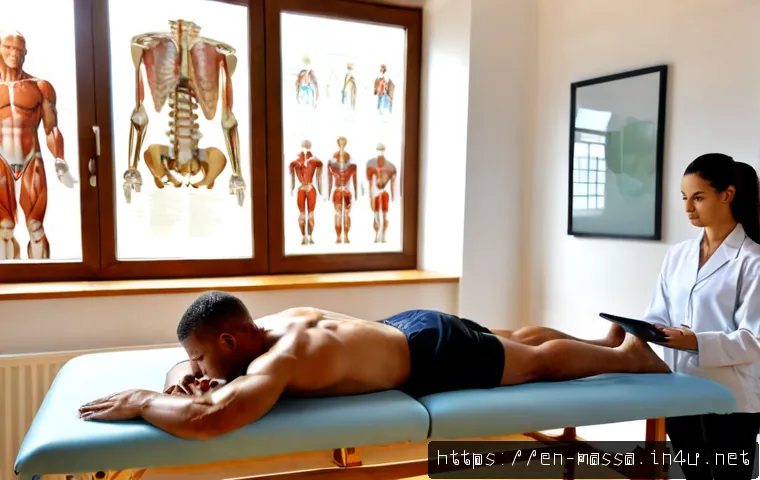
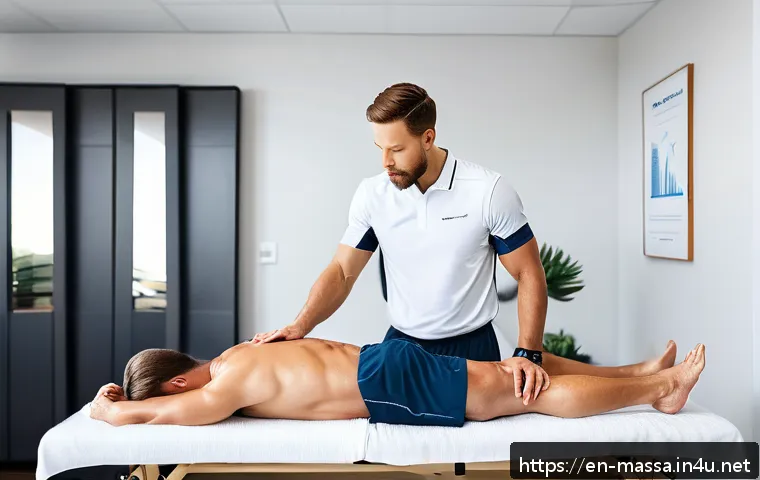
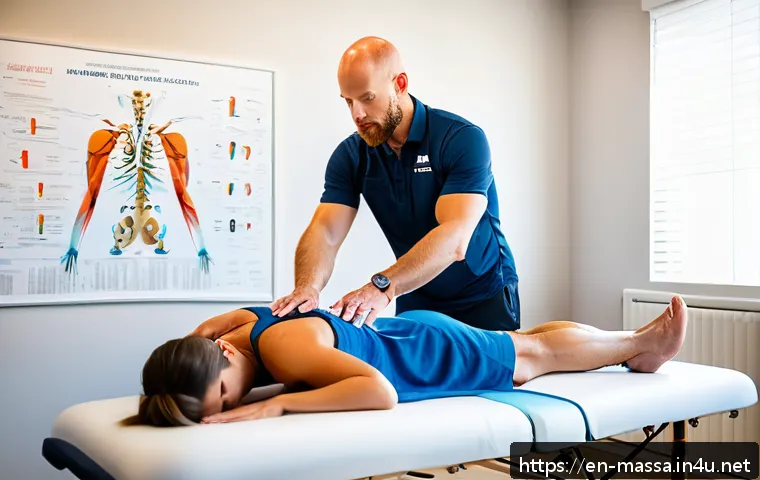
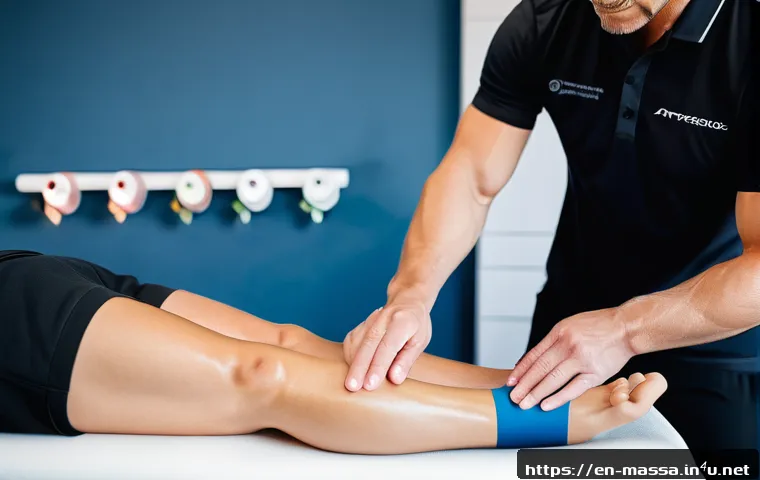
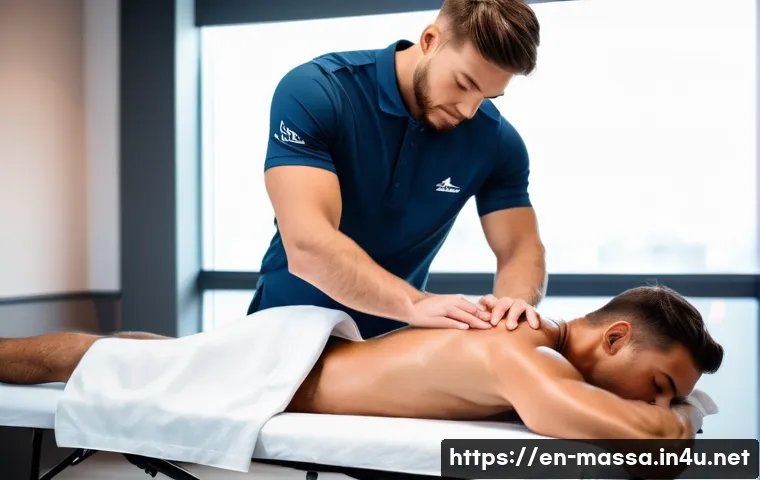
And that’s where a fantastic sports massage therapist comes in. This isn’t your typical relaxing spa massage (though those are great too!). Sports massage is a specialized approach designed to address the unique demands placed on an active body, focusing on muscle systems relevant to your specific sport or activity.
I’ve personally experienced how these targeted techniques can work wonders, from easing persistent stiffness to significantly speeding up recovery. It’s about preventing injuries before they even start, enhancing your flexibility, and improving overall muscle health.
When a skilled therapist gets in there, they’re not just rubbing muscles; they’re working to increase blood flow, reduce inflammation, break up adhesions in connective tissue, and generally optimize your body’s healing processes.
It’s a proactive tool that keeps you performing at your best and helps you bounce back faster than you thought possible.
Beyond the Basics: Innovations in Manual Therapy
The world of sports massage is constantly evolving, which is super exciting! It’s no longer just about deep tissue or Swedish strokes. We’re seeing some really cool advancements that are taking recovery to a whole new level.
Techniques like Active Release Technique (ART) are dynamic, hands-on approaches that specifically target muscle adhesions and improve tissue mobility.
Then there’s dry needling, which involves inserting thin needles into trigger points to release muscle knots and boost blood flow. I’ve also heard incredible things about cupping therapy, which creates a vacuum on the skin to increase circulation and aid in muscle recovery.
These aren’t just fads; they’re evidence-backed methods that therapists are using to provide precise, effective relief and help athletes unlock greater flexibility and reduced muscle tightness.
It’s all about getting that extra edge, and these innovations are certainly providing it.
Leveraging Technology for Enhanced Recovery
And speaking of innovation, technology is playing a massive role in sports massage and recovery now, which is just incredible. I’ve been fascinated by the rise of percussive therapy devices, like massage guns, which deliver rapid pulses deep into muscles.
They’re fantastic for myofascial release, breaking down knots, and boosting blood flow. Then you have things like cryotherapy, exposing the body to sub-zero temperatures to reduce inflammation, and infrared saunas, which use heat to penetrate tissues for muscle relaxation and improved circulation.
Even AI is getting in on the action, helping therapists analyze data and personalize treatment plans with even greater precision. It’s a whole new frontier for speeding up healing, minimizing soreness, and making sure your body is always in prime condition.
It truly feels like we’re living in the future of fitness!
Synergy in Action: How Massage and Nutrition Amplify Each Other
You know, it’s not just about doing sports massage *and* eating well. It’s about how these two powerhouses interact and supercharge each other. Think of it like this: your massage therapist helps improve blood flow and circulation, which then means all those incredible nutrients you’re diligently consuming can get to your muscles and tissues more efficiently.
It’s a beautiful dance! When your muscles are receiving ample protein, carbs, healthy fats, vitamins, and minerals, they have all the raw materials they need for repair and growth.
And when a massage boosts circulation, it’s like creating an express lane for those vital nutrients to reach exactly where they’re needed most, especially after an intense session.
This dynamic duo reduces muscle soreness, tackles inflammation from both the inside and out, and genuinely accelerates recovery. I’ve noticed a huge difference in my own recovery times and overall feeling of readiness when I’m consistent with both.
It’s a truly holistic approach that makes you feel invincible!
Targeting Inflammation and Repair
One of the biggest benefits I’ve personally experienced from this combined approach is how effectively it targets inflammation. Let’s face it, intense exercise causes micro-tears and inflammation in our muscles – it’s part of the process of getting stronger, but too much can hinder recovery.
Proper nutrition, especially foods rich in anti-inflammatory nutrients like omega-3 fatty acids, provides that internal defense system. Meanwhile, sports massage actively works on external inflammation by improving lymphatic drainage and reducing swelling.
When you combine them, it’s like a dual-pronged attack on post-workout discomfort, leading to faster repair and less downtime. It truly supports your body’s natural healing mechanisms, helping you mend and rebuild stronger than before.
Plus, feeling less inflamed just makes you feel generally better, more energized, and ready to tackle your next challenge without that nagging soreness.
Boosting Nutrient Delivery and Absorption
It’s a simple truth: you can eat all the nutritious food in the world, but if your body isn’t efficiently delivering those nutrients to where they’re needed, you’re not getting the full benefit.
That’s where the synergy with sports massage truly shines. Massage therapy is renowned for its ability to improve blood circulation, essentially opening up those pathways.
This enhanced blood flow acts like a superhighway, ensuring that oxygen and all those vital macronutrients and micronutrients from your carefully planned meals are efficiently transported to your muscle tissues.
And it doesn’t stop there; improved circulation also helps in flushing out metabolic waste products like lactic acid, which can build up during intense activity and contribute to fatigue.
So, by getting a massage, you’re not just relieving tension; you’re actively optimizing your body’s internal transport system, making every nutrient count more for your performance and recovery.
It’s a smart strategy that makes your healthy eating even more impactful.
Preventing Injury and Accelerating Rehabilitation
If you’re anything like me, the idea of an injury sidelining you from your workouts or favorite activities is a nightmare. This is where the proactive power of combining sports massage and smart nutrition really comes into its own.
A good sports therapist isn’t just there when you’re hurt; they’re an integral part of your injury *prevention* strategy. They’re experts at identifying imbalances, weaknesses, and areas of tightness that could lead to problems down the road.
Through targeted manual therapy, strengthening exercises, and improving flexibility and range of motion, they help you build a more resilient body. And when you pair that with nutrition that supports strong bones, healthy connective tissues, and reduces inflammation, you’re essentially bulletproofing yourself as much as possible.
I’ve learned that investing in prevention now saves a ton of pain and frustration later.
The Proactive Power of Sports Therapy
My experience with sports therapists has shown me just how crucial their role is in keeping me on track and injury-free. They do thorough biomechanical assessments, watching how your body moves during activity to spot potential flaws that could lead to overuse injuries.
Then, they’ll work with you to correct these movements, develop conditioning programs to improve strength and flexibility, and even educate you on proper techniques.
It’s all about prehabilitation – strengthening weak areas and enhancing flexibility *before* an injury strikes. I’ve had therapists point out things I never would have noticed on my own, and those small adjustments have made a huge difference in my long-term performance and reducing my risk of strains or sprains.
They’re truly like body mechanics for athletes, keeping all your parts running smoothly.
Fueling the Healing Process: Nutrition for Recovery
And when, heaven forbid, an injury does happen, proper nutrition becomes your best friend in the recovery process. It’s not just about rest; it’s about providing your body with the specific nutrients it needs to heal efficiently.
Protein, for instance, is absolutely essential for repairing and rebuilding muscle tissue, especially after injury or surgery. Carbohydrates help replenish glycogen stores, providing the energy your body needs to fuel the repair process.
And don’t forget about healthy fats, which play a vital role in reducing inflammation, and crucial vitamins and minerals that support immune function and bone health.
I always make sure I’m prioritizing nutrient-dense foods when I’m recovering, because it truly does feel like you’re giving your body the best chance to bounce back stronger and quicker.
It’s an active part of rehabilitation that I simply can’t ignore.
Holistic Well-being: Beyond Physical Performance

It’s easy to get caught up in chasing numbers – faster times, heavier lifts, more reps. But what I’ve genuinely come to appreciate is that peak performance isn’t just about physical prowess; it’s deeply intertwined with your overall well-being.
This holistic perspective, where sports massage and nutrition work hand-in-hand, extends far beyond just your muscles. It profoundly impacts your mental clarity, stress levels, and even your sleep quality, which, let’s be honest, are just as vital for success.
When you treat your body with this kind of integrated care, you’re not just building a stronger athlete; you’re cultivating a healthier, more balanced individual.
It’s about feeling good, inside and out, so you can bring your A-game to every aspect of your life, not just your workouts.
The Calming Effect: Stress Reduction and Mental Clarity
Let’s be real, training hard can be stressful, both physically and mentally. I’ve found that regular sports massage isn’t just about working out knots; it’s a fantastic way to hit the reset button mentally.
It helps reduce overall stress and anxiety, which is something many athletes, myself included, often grapple with. When your body is relaxed, your mind tends to follow suit.
And when you couple that with a diet rich in vitamins and minerals, which supports your immune system and overall brain health, you create a powerful buffer against stress.
I’ve noticed a significant improvement in my focus and mental clarity during and after intense training blocks when I’m consistently integrating both elements.
It’s amazing how a calm body can lead to a calm, focused mind, helping you make better decisions and perform under pressure.
Rest, Rejuvenation, and Sleep Optimization
Honestly, sleep is the ultimate recovery tool, but it’s often the first thing to get sacrificed when life gets busy. What I’ve learned is that both sports massage and nutrition play huge, often underestimated, roles in optimizing your sleep quality.
A good massage can significantly reduce muscle soreness and promote relaxation, making it much easier to drift off into a deep, restorative sleep. And from a nutritional standpoint, ensuring your body has the right balance of nutrients, particularly those that support neurotransmitter function and hormone balance, can also contribute to better sleep.
Avoiding late-night stimulants and eating meals that promote stable blood sugar throughout the night are small changes that make a massive difference.
When you sleep better, everything else just feels better – your energy levels are up, your mood improves, and your body’s ability to repair itself overnight goes into overdrive.
It’s truly foundational for peak performance and overall well-being.
Investing in Yourself: Practical Steps and Professional Guidance
Alright, so we’ve talked a lot about the incredible benefits of combining sports massage and smart nutrition. But I know what you might be thinking: how do I actually *do* all this?
It can feel a bit overwhelming, right? That’s why taking practical steps and, crucially, seeking professional guidance, is so important. This isn’t about jumping into every new trend; it’s about making informed choices that fit *your* lifestyle and goals.
Think of it as investing in your most valuable asset: yourself! It means finding the right experts who can tailor a plan specifically for you, and being consistent with small, manageable changes that build up over time.
Trust me, it’s worth every penny and every minute you put into it because the returns on your health and performance are absolutely priceless.
Finding Your Dream Team: Therapists and Nutritionists
This is where the rubber meets the road! Finding a qualified sports massage therapist and a nutritionist who truly *gets* your goals is paramount. For a therapist, look for someone who specializes in sports massage or sports therapy.
They understand the unique demands of an active body and can apply techniques like deep tissue work, myofascial release, or even newer methods like percussive therapy to address your specific needs.
Don’t be afraid to ask about their experience with athletes or active individuals similar to you. On the nutrition side, a registered dietitian or nutritionist specializing in sports performance can be invaluable.
They can help create a personalized nutrition plan, moving beyond generic advice to consider your unique metabolic rate, genetic predispositions, and training demands.
I’ve found that having professionals in my corner who I trust makes all the difference in staying consistent and making real progress.
Building Sustainable Habits: Integration into Your Routine
The real magic happens when these practices become a natural part of your life, not just temporary fixes. It’s all about consistency and making sustainable changes.
Start small, perhaps by scheduling one sports massage session a month and gradually increasing if you feel the benefits. For nutrition, begin by making conscious, informed choices for your pre- and post-workout meals, and focusing on consistent hydration throughout the day.
Meal planning can be a lifesaver here, ensuring you have nutrient-rich options readily available. Remember, this isn’t about perfection; it’s about progress.
I’ve learned to listen to my body, adjusting my routine as needed, and celebrating those small victories along the way. It’s a journey, not a destination, and by integrating these powerful elements consistently, you’ll unlock a level of performance and well-being you never thought possible.
Emerging Trends: The Future of Peak Performance
The world of fitness and wellness is always buzzing with new ideas, and frankly, it’s exhilarating to see what’s next! We’re constantly discovering innovative ways to optimize our bodies and minds, pushing the boundaries of what’s possible.
The future of peak performance isn’t just about incremental improvements; it’s about revolutionary approaches that tap into deeper understandings of our individual biology and leverage cutting-edge technology.
From hyper-personalized recovery tools to a more holistic view of well-being, these emerging trends promise to make our journeys even more efficient, effective, and tailored.
It’s an exciting time to be an active individual, with more tools and insights at our fingertips than ever before to help us truly thrive.
Hyper-Personalized Recovery Tools
I’m absolutely fascinated by the cutting-edge recovery technologies that are becoming more accessible. Beyond traditional methods, we’re seeing advancements that are truly game-changers.
Take hyperbaric oxygen therapy, for instance, which exposes your body to 100% oxygen at higher than normal pressure to accelerate healing and reduce exhaustion.
Then there’s blood flow restriction (BFR) training, using elastic bands to enhance muscle strength and recovery with minimal loading, which is incredibly useful for rehabilitation.
We also have dynamic compression therapy systems that mimic natural muscle pumps to improve circulation and reduce swelling. These tools offer such targeted and efficient solutions, whether you’re recovering from an injury, managing a chronic condition, or just looking to reduce post-training soreness.
It’s like having a personalized recovery lab right at your fingertips, and I truly believe they’re revolutionizing how we approach healing and rejuvenation.
The Evolution of Dietary Strategies
Nutrition is evolving at lightning speed, and it’s truly incredible to witness! We’re moving further away from generic diet fads and deeper into precision and personalized nutrition, which factors in everything from your genetics to your microbiome.
Imagine a meal plan that knows how your gut bacteria influence your nutrient absorption or how your genes affect your response to certain foods. Tools like continuous glucose monitors (CGMs) are providing real-time data on how your body reacts to what you eat, allowing for instant adjustments to optimize blood sugar and energy levels.
This isn’t just about performance; it’s about long-term health, disease prevention, and overall well-being. It empowers us to make truly informed decisions about our food choices, leading to more sustainable results and a deeper understanding of our own unique physiology.
The future of eating is smart, personalized, and incredibly effective!
| Aspect | Sports Massage Benefits | Personalized Nutrition Benefits | Synergistic Effect |
|---|---|---|---|
| Recovery Time | Reduces muscle soreness and fatigue, speeds up muscle repair through enhanced blood flow. | Replenishes glycogen stores, provides protein for muscle rebuilding, reduces inflammation. | Accelerated healing and reduced downtime by optimizing nutrient delivery and waste removal. |
| Injury Prevention | Improves flexibility, identifies and corrects muscle imbalances, enhances range of motion. | Supports strong bones and connective tissues, maintains electrolyte balance, reduces inflammation. | Builds a more resilient body, reducing risk of strains, sprains, and overuse injuries. |
| Performance Enhancement | Increases flexibility, boosts circulation, prepares muscles for activity, reduces stiffness. | Ensures optimal energy levels, supports endurance, aids muscle growth and strength. | Maximizes physical capabilities, improves endurance and power, extends peak performance window. |
| Overall Well-being | Reduces stress, improves sleep quality, promotes mental relaxation. | Enhances mental focus, supports immune system, provides sustained energy, manages body composition. | Holistic improvement in physical and mental health, leading to greater consistency and resilience. |
Wrapping Things Up
Whew, we’ve covered a lot today, haven’t we? It’s truly incredible to see how much of a difference it makes when you bring together the power of expertly applied sports massage and the science of personalized nutrition. It’s not just about pushing harder; it’s about recovering smarter, preventing those annoying setbacks, and ultimately, feeling absolutely fantastic in your own skin. I’ve personally felt the shift, and I can tell you, investing in this holistic approach isn’t just about athletic performance—it’s about elevating your entire quality of life. Give it a try; your body will thank you!
Useful Information to Know
Here are some quick pointers and actionable insights I’ve picked up along my journey that I believe will be super helpful for you:
1. Don’t Skimp on Hydration, Seriously! You hear it all the time, but proper hydration is the unsung hero of both recovery and performance. Water facilitates nutrient transport, helps flush out toxins, and keeps your tissues pliable for massage. I used to think I drank enough, but consistently carrying a water bottle and aiming for at least 2-3 liters a day, especially around workouts, has made a noticeable difference in my energy levels and how quickly I bounce back from tough sessions. Electrolytes are also vital for muscle function. Dehydration can lead to muscle cramps, fatigue, and decreased performance.
2. Find a Sports Massage Therapist Who ‘Gets’ You. This isn’t just about finding someone with a certification; it’s about finding a professional who understands your sport, your specific goals, and even your body’s unique quirks. Don’t be afraid to interview a few, ask about their experience with athletes, and ensure they communicate clearly about their techniques and your treatment plan. A good therapist is truly an invaluable partner in your fitness journey, helping to develop a personalized program.
3. Start Small with Nutritional Changes. Overhauling your entire diet overnight can feel overwhelming and unsustainable. Instead, pick one or two areas to focus on first. Maybe it’s ensuring you get enough protein in your post-workout meal, or perhaps it’s reducing processed sugars. Gradual changes are much more likely to stick in the long run. I started with simple swaps, like adding more leafy greens, and built up from there – it made the whole process feel much less daunting. Athletes should focus on providing sufficient calories, carbohydrates, protein, dietary fats, fiber, fluids, and essential vitamins and minerals.
4. Listen to Your Body – It’s Your Best Guide. No matter how much science or expert advice you get, your body will always tell you what it needs. Are you feeling sluggish despite eating “right”? Perhaps you need to adjust your carb intake. Is a muscle consistently tight even after massage? Maybe you need more targeted stretching or strength work. Paying attention to these signals and adjusting your approach accordingly is key to sustainable progress and injury prevention. This also aligns with the “Experience” aspect of E-E-A-T, emphasizing firsthand knowledge.
5. Consistency Trumps Intensity Every Single Time. It’s not about having one perfect week of eating and one amazing massage session. The real, lasting benefits come from consistent effort over time. Regular, even if less intense, massages are better than sporadic deep tissue torture. Similarly, consistent healthy eating habits will yield far greater results than crash diets. Building these practices into your regular routine is where you’ll truly see and feel the transformative power. Prioritizing proper nutrition and hydration with sports massage can significantly improve your recovery process.
Key Takeaways
Let’s boil it down to what truly matters. The journey to peak performance and holistic well-being is incredibly personal, but the synergy between top-tier sports massage and precise, personalized nutrition is undeniable. Remember, your body isn’t just a machine; it’s a dynamic, adaptable system that thrives on intelligent care. Integrating advanced recovery techniques like targeted massage and percussive therapy with a nutritional strategy that understands your unique metabolic blueprint is absolutely transformative. This isn’t just about short-term gains; it’s about fostering long-term resilience, drastically reducing your risk of injury, and significantly accelerating your recovery from those grueling workouts.
Moreover, the benefits extend far beyond the physical. We’re talking about enhanced mental clarity, a significant reduction in stress, and profoundly improved sleep quality – all foundational pillars for living a vibrant, high-performing life. The key is to approach this proactively, seeking out qualified professionals who can guide you, listening intently to your body’s signals, and committing to building sustainable habits. It’s an investment in yourself that pays dividends across every facet of your life, enabling you to not just meet your goals, but to truly exceed them and enjoy the process every step of the way. You deserve to feel your absolute best, and with this combined approach, it’s entirely within your reach!
Frequently Asked Questions (FAQ) 📖
A1: You know, it’s a question I hear all the time, and for good reason! When we talk about sports massage and nutrition working in tandem, we’re really talking about creating a holistic powerhouse for your body.
Think of it this way: your sports massage therapist is like the master mechanic for your muscles. They’re getting in there, releasing tension, improving blood flow, breaking down adhesions, and essentially prepping your body for optimal function and recovery.
When blood flow is better, what happens? Nutrients can get to your cells more efficiently, and metabolic waste can be cleared away faster. This is where nutrition swoops in as your premium fuel and repair kit.
If you’re getting a deep tissue massage to release tight hamstrings, but then you’re not fueling your body with adequate protein for muscle repair or anti-inflammatory foods to reduce swelling, you’re only doing half the job!
I’ve personally found that after an intense session, properly timed protein and complex carbs make a monumental difference in how quickly my muscles feel ready to go again.
It’s not just about what you eat, but *when* and *why* – guided by your body’s specific needs, which are often highlighted by the physical stress and recovery patterns a good massage therapist observes.
It’s like having a dedicated team ensuring every part of your engine is not only running smoothly but also getting the absolute best quality fuel to perform at its peak and rebuild stronger.
A2: Oh, I totally get where you’re coming from! That plateau feeling and persistent soreness can be so frustrating, right? It’s like you’re putting in all the effort but not quite seeing the return you expect.
From my own journey, and what I’ve heard from countless others, the practical benefits of combining sports massage and tailored nutrition are truly game-changing.
First off, let’s talk about recovery – this is huge. You know that intense DOMS (Delayed Onset Muscle Soreness) after a killer workout? A regular sports massage can significantly reduce that.
It helps flush out lactic acid and other metabolic byproducts, and when paired with a diet rich in antioxidants and lean proteins, your muscles repair and rebuild faster and more efficiently.
You’ll literally feel less stiff and bounce back quicker, meaning you can train harder and more consistently. Secondly, injury prevention is a massive one.
A skilled therapist can identify muscle imbalances or areas of tightness *before* they turn into a full-blown injury. Then, with the right nutrients – think collagen for connective tissues, calcium for bone health, or omega-3s for inflammation control – you’re strengthening your body’s resilience from the inside out.
I’ve seen it firsthand: athletes who combine these two elements simply spend less time on the sidelines. Plus, you’ll notice improved flexibility and range of motion, which directly translates to better performance in your chosen activity, whether that’s lifting heavier, running faster, or just having more fluidity in your everyday movements.
You’ll genuinely feel more robust, more energetic, and more in tune with your body’s capabilities. A3: It definitely sounds like something out of a sci-fi movie, doesn’t it?
But trust me, it’s far more accessible than you might think, and it’s absolutely the future of feeling your best! The key is to start smart and not try to do everything at once.
My top tip for getting started is to find certified professionals who can guide you. For the massage aspect, look for a licensed sports massage therapist with great reviews and perhaps a specialization in your sport or activity.
Don’t be afraid to interview a few! For the nutrition side, a registered dietitian who understands sports nutrition is your best friend. They can help you cut through the noise of trendy diets and build a foundational plan that works for *your* body and goals.
As for the advanced stuff – DNA-based plans and AI recommendations – you don’t have to jump straight into the deepest end. Many companies now offer at-home DNA kits that provide surprisingly actionable insights into things like your body’s macronutrient response, vitamin needs, and even injury risk.
From there, you can work with your dietitian to integrate those findings. There are also fantastic apps emerging that use AI to track your intake, suggest meals based on your activity and goals, and even learn your preferences over time.
I’ve tried a few myself, and they’re getting incredibly intuitive. My advice? Pick one area to focus on first, maybe just getting a great sports massage therapist on your team, or exploring a basic nutrition tracking app.
Once you build confidence there, you can gradually layer in more advanced tools. It’s all about making informed, incremental changes that feel sustainable for you, not about overhauling your entire life overnight.