Hey there, future healing hands and recovery gurus! If you’ve ever felt that rush of helping someone get back to their peak performance, or if you’re just fascinated by the incredible mechanics of the human body, then you’re probably already thinking about a career in sports massage therapy.
I’ve personally seen firsthand how a truly skilled therapist can be a game-changer for athletes and everyday warriors alike, not just fixing problems but actually elevating their potential.
It’s more than just knowing a few moves; it’s about a deep, foundational understanding that sets the best apart. And trust me, the field is constantly evolving, with new research and techniques emerging that can dramatically impact how we approach recovery and performance.
It can feel a bit overwhelming trying to figure out where to even start, or what truly matters when you’re aiming to be at the top of your game. What are those non-negotiable subjects that will transform you from someone who simply gives a good massage into a highly sought-after expert?
I’ve spent years observing, learning, and talking with some of the most respected professionals in the industry, and there’s a clear consensus on the core knowledge that makes all the difference.
Get ready to unlock the blueprint for a truly impactful career. Let’s dive into the essential subjects every aspiring sports massage therapist absolutely needs to master!
The Unseen Foundations: Mastering Human Anatomy and Physiology
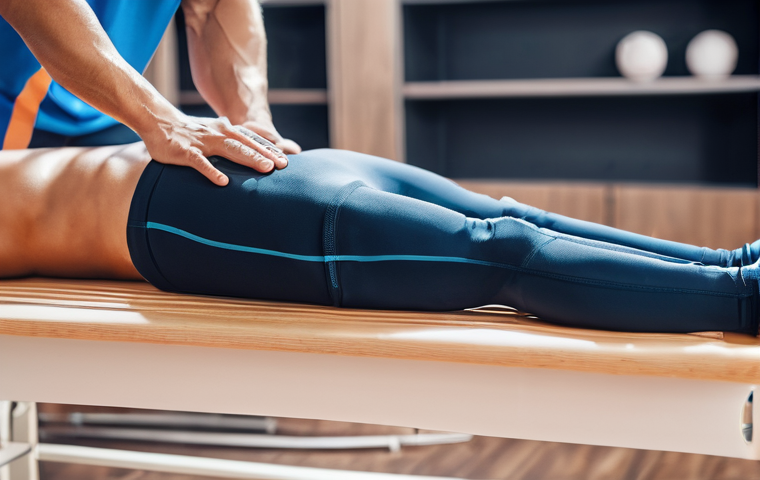
Let me tell you, when I first started out, I thought I knew my muscles and bones. But then you get into it, and you realize there’s a whole universe inside each person, a symphony of systems that are all interconnected.
Truly understanding anatomy isn’t just about memorizing names from a textbook; it’s about seeing the body as a dynamic, living map where every structure plays a vital role.
You need to know not just where a muscle originates and inserts, but how it interacts with its synergists and antagonists, how fascial lines connect seemingly disparate areas, and how nerve pathways can influence pain far from the actual site of injury.
This depth of knowledge is what allows you to really “read” a client’s body, identifying the root cause of their discomfort rather than just chasing symptoms.
It’s what transforms a generic massage into a truly therapeutic experience. I’ve personally found that the more I delve into this, the better I can anticipate how a client will respond and tailor my approach for maximum impact, making my sessions incredibly effective and, frankly, much more rewarding for both of us.
It also builds immense trust when you can articulate exactly what’s going on within their body.
Getting Down to the Nitty-Gritty of Muscles, Bones, and Joints
You simply can’t skip this. I mean, how can you expect to manipulate tissue effectively if you don’t intimately understand the musculature, the skeletal framework it attaches to, and the joints that allow movement?
We’re talking about origins, insertions, actions, innervations, and blood supply for every major muscle group. But it doesn’t stop there. You need to understand the types of joints, their range of motion, common pathologies like osteoarthritis or ligamentous laxity, and how these affect the surrounding soft tissues.
For example, knowing the intricate dance between the rotator cuff muscles and the scapula isn’t just academic; it’s crucial for treating shoulder pain effectively.
I’ve often seen therapists overlook subtle joint restrictions, which then makes their muscle work less effective. It’s truly about connecting the dots.
The Symphony Within: Understanding Body Systems and Their Interplay
Beyond the musculoskeletal system, a fantastic sports massage therapist needs to grasp how the nervous, circulatory, and lymphatic systems function and how they’re impacted by stress, injury, and massage.
Think about it: our hands aren’t just pushing tissue; they’re influencing blood flow, nerve firing, and lymphatic drainage. Understanding peripheral nerve impingements, recognizing signs of vascular compromise, or even knowing how massage can boost immune function through lymphatic support elevates your practice significantly.
I’ve personally used this knowledge to help clients recover faster from intense workouts by focusing on lymphatic drainage, or to calm overactive nervous systems with specific techniques, proving that a holistic understanding truly sets you apart.
Precision Healing: The Art of Injury Assessment and Rehabilitation
This is where the rubber meets the road. Anyone can give a relaxing massage, but a true sports massage therapist is a detective, a problem-solver, and a key player in the rehabilitation process.
When a client walks in with an injury, they’re not just looking for a temporary fix; they’re seeking a path back to full function. This means you need to be able to accurately assess their condition, understand the mechanisms of their injury, and develop a targeted treatment plan.
It’s a dynamic process, often requiring you to adapt on the fly based on their presentation. I’ve had countless moments where a client presented with what seemed like a straightforward hamstring strain, only for a thorough assessment to reveal an underlying lumbar issue contributing to it.
This kind of deep diagnostic thinking, honed through experience and continuous learning, is what builds your reputation as someone who truly gets results.
Decoding Discomfort: Thorough Assessment and Differential Diagnosis
Before you even lay a hand on someone, your assessment skills are paramount. This involves a comprehensive client history – listening deeply to their story, understanding their sport or activity, and learning about previous injuries.
Then comes the objective assessment: observing their posture and gait, performing range of motion tests, palpating for tissue texture changes, and conducting special orthopedic tests to rule in or rule out specific conditions.
You need to develop a keen eye and a sensitive touch to differentiate between a muscle strain, a ligament sprain, nerve impingement, or even something more serious that requires referral to another healthcare professional.
I remember one athlete who came in complaining of calf pain. After a thorough assessment, I realized it wasn’t a muscle issue at all, but rather referred pain from a tight gluteal complex – a completely different treatment approach!
Guiding Recovery: Crafting Effective Rehabilitation Strategies
Once you’ve nailed the diagnosis, the real work of rehabilitation begins. This isn’t just about massaging the injured area; it’s about integrating your manual therapy with other modalities and advice.
You need to understand the stages of healing and how your techniques should adapt accordingly – from gentle effleurage in acute phases to deep tissue work and active release techniques in later stages.
Crucially, you’ll often be educating clients on corrective exercises, stretching protocols, and self-care strategies they can do at home. I’ve found that empowering clients with these tools dramatically accelerates their recovery and reduces the likelihood of re-injury.
It’s about being a guide, not just a technician, helping them understand their body and take ownership of their healing journey.
The Science of Motion: Unpacking Biomechanics for Peak Performance
If you really want to stand out, you need to think beyond static anatomy. Bodies move, and understanding *how* they move – the physics, the forces, the kinetic chains – is what biomechanics is all about.
This isn’t just for elite athletes; everyone, from the desk worker with neck pain to the weekend warrior, has movement patterns that either support or hinder their well-being.
By grasping biomechanical principles, you can identify dysfunctional movement patterns that contribute to injury or limit performance. It’s like having X-ray vision for movement, seeing the subtle compensations and inefficiencies that others miss.
I personally love diving into this because it allows me to not only treat existing problems but also to proactively help clients optimize their movement, preventing future issues and truly enhancing their capabilities.
Analyzing Movement Patterns: Identifying Dysfunctional Biomechanics
This means observing how a client walks, runs, lifts, or performs specific athletic movements. Are their knees collapsing inward during a squat? Is their shoulder blade winging during overhead movements?
Is there an asymmetrical hip drop when they walk? These visual cues, combined with your anatomical knowledge, allow you to pinpoint areas of weakness, tightness, or motor control deficits.
You’ll learn how to break down complex movements into smaller components and identify where the “fault” lies in the kinetic chain. I’ve used video analysis with some of my more performance-oriented clients, and it’s been a game-changer.
Seeing themselves move often provides an ‘aha!’ moment that significantly aids their understanding and commitment to corrective strategies.
Optimizing Performance: Enhancing Efficiency and Preventing Injury
Once you’ve identified the biomechanical culprits, your goal is to help your clients move more efficiently and effectively. This often involves a combination of manual therapy to release restrictions, specific strengthening exercises to address weaknesses, and proprioceptive drills to improve balance and coordination.
For instance, addressing tight hip flexors might be crucial for a runner to achieve better hip extension and a more powerful stride, or strengthening the glutes could resolve knee pain by improving pelvic stability.
It’s about restoring balance and harmony to the body’s movement system. I’ve had the pleasure of working with athletes who, after addressing their biomechanical inefficiencies, not only recovered from their injuries but also achieved personal bests, which is incredibly rewarding.
Beyond the Basics: Mastering Advanced Massage Techniques
So you’ve got the foundational knowledge down, you can assess an injury, and you understand how the body moves. Now it’s time to refine your craft with advanced techniques.
This isn’t just about adding more tools to your belt; it’s about understanding when and how to apply them for maximum therapeutic effect. There’s a world beyond Swedish massage, and for sports massage, you absolutely need to explore it.
These specialized techniques allow you to address a wider range of issues, penetrate deeper into tissues, and achieve more profound changes in your clients’ bodies.
I personally found that learning these advanced modalities was a huge leap in my confidence and my ability to tackle more complex cases. It’s truly a continuous journey of skill acquisition.
Deep Tissue, Myofascial Release, and Neuromuscular Techniques
These are the bread and butter of effective sports massage. Deep tissue isn’t just about pressure; it’s about targeting specific muscle groups and releasing chronic tension patterns.
Myofascial release focuses on the fascial system, a web of connective tissue that envelops everything in the body. Releasing fascial restrictions can have a profound impact on mobility and pain.
Neuromuscular techniques, like trigger point therapy or muscle energy techniques, directly address hyperactive or inhibited muscles to restore normal function.
I’ve spent countless hours honing my feel for these, learning to sense the subtle changes in tissue texture and respond with precision. This is where your hands become truly intelligent, guided by your knowledge and intuition.
Specialized Modalities: From Cupping to Instrument-Assisted Soft Tissue Mobilization
The field is always evolving, and embracing specialized modalities can significantly expand your practice. Techniques like dynamic cupping can help lift tissue, increase blood flow, and release adhesions.
Instrument-assisted soft tissue mobilization (IASTM) uses tools to detect and treat fascial restrictions and scar tissue more effectively. There are also advanced stretching techniques, PNF (Proprioceptive Neuromuscular Facilitation) stretches for instance, that can rapidly improve flexibility and range of motion.
I’ve experimented with many of these myself and found that strategically integrating them, when appropriate, can offer fantastic results, especially for stubborn, chronic issues that traditional methods might not fully address.
It’s about being open to new approaches and seeing what truly works best for each individual client.
The Human Element: Cultivating Client Communication and Professional Ethics
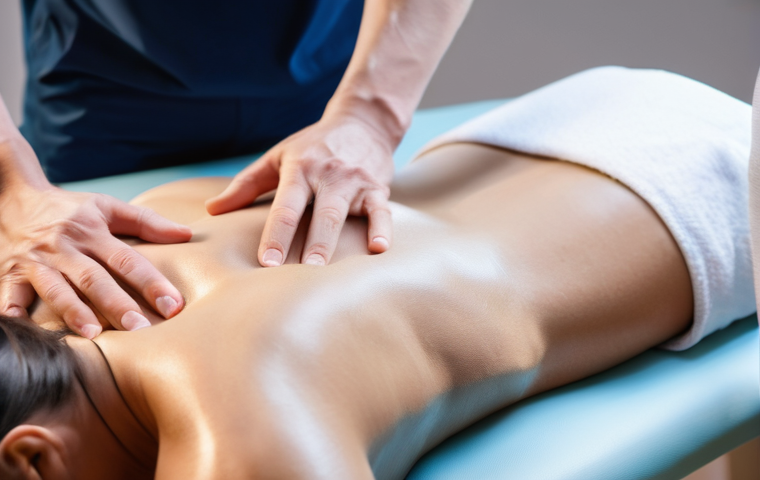
Honestly, you can be the most skilled therapist in the world, but if you can’t connect with your clients, you’re missing a massive piece of the puzzle.
Effective communication isn’t just about being polite; it’s about building trust, understanding their needs, and setting realistic expectations. This job is inherently personal, and clients are entrusting you with their bodies and often, their vulnerabilities.
Therefore, maintaining impeccable professional ethics, boundaries, and a client-centered approach is non-negotiable. I’ve learned that a genuinely empathetic and clear communicator not only fosters better treatment outcomes but also creates a loyal client base who feel heard and respected.
It’s an aspect that really fuels the long-term success of your practice.
Building Rapport: Active Listening and Clear Explanations
This is more than just nodding your head. Active listening means truly hearing your client’s concerns, asking clarifying questions, and reflecting their feelings to ensure you’ve understood them completely.
It’s about creating a safe space where they feel comfortable sharing information. Equally important is your ability to explain what you’re doing, why you’re doing it, and what they can expect, using language that is clear, concise, and easy for them to understand, avoiding overly technical jargon.
I make it a point to check in with clients during a session, explaining a new technique or describing what I’m feeling under my hands. This transparency builds trust and empowers them to be active participants in their own recovery process.
Navigating Boundaries: Professionalism, Consent, and Confidentiality
In a hands-on profession like sports massage, professional boundaries are absolutely critical. This includes informed consent before every session, ensuring clients understand the treatment and agree to it.
Confidentiality is paramount – what happens in your treatment room stays in your treatment room. Maintaining appropriate draping, respecting personal space, and always acting with the utmost integrity are fundamental.
I’ve personally seen how a strong adherence to these ethical principles not only protects both the therapist and the client but also elevates the perceived professionalism of the entire industry.
It’s about fostering an environment of respect and safety, always.
Beyond the Table: Building Your Practice with Business & Marketing Savvy
Let’s be real, you can be a phenomenal therapist, but if no one knows you exist, or if you don’t manage the practical side of things, your impact will be limited.
This is where the business acumen comes in. Thinking about setting up your own practice, whether it’s out of a clinic, a home office, or doing mobile work, requires a solid understanding of how to market yourself, manage your finances, and navigate the legal landscape.
It’s not the glamorous part, I know, but trust me, overlooking these aspects can quickly turn your passion into a source of stress. I’ve made my share of mistakes early on, learning the hard way about client retention and effective scheduling, and I can tell you that a little planning goes a very long way in creating a sustainable and thriving career.
| Key Business Area | Description & Why It Matters | Practical Tips for Success |
|---|---|---|
| Marketing & Branding | How you present yourself and reach potential clients. Essential for consistent bookings and growth. | Define your niche, create a professional online presence (website, social media), network with local gyms/sports teams, offer initial consultations. |
| Financial Management | Handling income, expenses, taxes, and pricing your services. Crucial for profitability and long-term stability. | Track all income/expenses, set clear pricing structures, consider accounting software, consult with a financial advisor. |
| Legal & Insurance | Understanding regulations, liability, and protecting your business. Protects you and your clients. | Obtain proper certifications/licenses, secure professional liability insurance, understand local health and safety regulations. |
| Client Management | Scheduling, record-keeping, and fostering client loyalty. Enhances efficiency and client satisfaction. | Use booking software, maintain detailed client notes, follow up post-session, offer loyalty programs. |
Getting Noticed: Crafting Your Brand and Marketing Your Skills
In today’s crowded market, simply being good isn’t enough; you need to stand out. This means defining your unique selling proposition – what makes *you* different?
Are you a specialist in ultra-marathon recovery, or do you excel in helping strength athletes? Once you know your niche, you need to market it effectively.
This includes building a professional website, being active on relevant social media platforms, networking with other health professionals, and leveraging testimonials from satisfied clients.
I’ve found that word-of-mouth is incredibly powerful, so always strive to deliver exceptional service that people will naturally want to rave about. Think about creating engaging content, maybe even short videos of techniques or stretches, that showcases your expertise.
The Practical Side: Mastering Scheduling, Record-Keeping, and Finances
This is the less exciting but equally vital part. Efficient scheduling software can save you hours and prevent double bookings. Meticulous record-keeping isn’t just good practice; it’s a legal requirement and essential for tracking client progress and tailoring follow-up sessions.
And let’s not forget finances: understanding how to price your services competitively, managing your expenses, and handling taxes properly are crucial for keeping your business afloat and thriving.
Don’t be afraid to invest in good tools or even a little professional help for accounting. I personally struggled with balancing my books early on, and bringing in an expert made a world of difference, freeing me up to focus on what I do best: helping people.
Beyond the Muscles: Integrating Nutrition, Hydration, and Holistic Wellness
Here’s a secret: truly great sports massage therapy doesn’t happen in a vacuum. Our clients’ bodies are products of their entire lifestyle. This means that while our hands work magic on their muscles, we can provide so much more value by understanding the broader context of their health.
Integrating knowledge about proper nutrition, optimal hydration, and general wellness practices allows us to offer more holistic advice and support. We’re not dieticians or doctors, of course, but having a foundational understanding means we can guide clients toward better choices, and crucially, know when to refer them to other specialists.
I’ve personally seen clients make incredible strides in their recovery and performance simply by making small, consistent changes in their dietary habits, often spurred by a simple conversation in my treatment room.
Fueling Recovery: The Role of Proper Nutrition and Hydration
The food and drink our clients consume directly impact their tissue health, inflammation levels, and recovery capacity. Understanding macronutrients (carbs, proteins, fats) and micronutrients (vitamins, minerals) that are particularly important for active individuals can empower you to give general, yet powerful, advice.
For instance, knowing the importance of protein for muscle repair or electrolytes for hydration during intense activity can be incredibly valuable. While you won’t be prescribing meal plans, you can educate clients on the basics of anti-inflammatory foods or the critical role of water intake for joint and tissue elasticity.
I often suggest clients increase their water intake or focus on lean proteins post-session, and the positive feedback I get is always encouraging.
Mind-Body Connection: Stress Management and Rest for Optimal Health
It’s easy to focus solely on the physical, but the mind-body connection is undeniable, especially in sports and recovery. Chronic stress can manifest as muscle tension, inhibit healing, and reduce performance.
Understanding basic stress management techniques, the importance of adequate sleep, and the benefits of practices like mindfulness or stretching can enhance the overall well-being of your clients.
You might not be a psychologist, but you can certainly encourage a holistic approach to their health. I regularly discuss the importance of sleep with my clients, sharing how it directly impacts their physical recovery.
It’s about reminding them that their body is a complex system, and true healing often requires attention to all its parts, not just the ones that hurt.
Concluding Thoughts
Whew, what a journey we’ve been on together, delving deep into the world of sports massage! It’s truly incredible to see how much goes into being an effective therapist, isn’t it? For me, this isn’t just a job; it’s a calling, a continuous learning experience that keeps me utterly fascinated. Always remember, the magic truly happens when deep anatomical knowledge meets empathetic communication and a genuine desire to help someone feel their best. Keep learning, keep exploring, and most importantly, keep connecting with the amazing human beings you have the privilege to work with.
Handy Insights for Your Journey
1. The human body is an endless source of wonder, and our understanding of it is constantly evolving. Invest in continuing education, attend workshops, and read new research. I’ve found that even one new technique or piece of information can revolutionize my approach!
2. Your clients are bringing you their story, their pain, and their hopes. Truly listen to them – not just their words, but their body language too. It’s amazing what insights you’ll gain, and it builds incredible trust and loyalty, which is invaluable for any successful practice.
3. This job is physically and mentally demanding. Make sure you’re taking care of your own body, whether it’s through regular massage, exercise, or mindfulness. You can’t pour from an empty cup, right? Prioritizing your well-being ensures you can consistently deliver your best work.
4. Connect with other therapists, chiropractors, physios, and trainers in your area. Building a strong professional network not only broadens your knowledge but also creates invaluable referral opportunities. I’ve found some of my best collaborators and learned so much from my peers this way.
5. Don’t let the administrative tasks intimidate you. Think of marketing and financial management as essential tools to help more people. A well-run practice means you can focus more on what you love – helping clients! Embracing the business side truly empowers your passion.
Key Takeaways
Looking back, the essence of being a truly impactful sports massage therapist boils down to a seamless blend of deep scientific understanding and a genuine human touch. It’s about being a lifelong student of human anatomy and physiology, a meticulous detective in injury assessment, and a savvy biomechanics expert who sees movement in all its intricate glory. This foundation allows us to address the root causes of discomfort and enhance performance with precision.
But beyond the technical prowess, it’s our ability to communicate openly, act with unwavering ethics, and build a sustainable practice that truly elevates our craft. Remember, you’re not just working on muscles; you’re helping individuals reclaim their lives, optimize their performance, and achieve a profound sense of well-being. That, my friends, is a pretty incredible legacy to build, one client at a time, ensuring every session leaves them feeling understood, cared for, and on their path to optimal health.
Frequently Asked Questions (FAQ) 📖
Q: What’s the absolute first subject I should truly dive deep into if I want to become an outstanding sports massage therapist, beyond just the basics?
A: Oh, this is the million-dollar question, isn’t it? If I had to pick just one foundational area that will set you apart and give you that “aha!” moment over and over again, it’s Applied Anatomy and Physiology.
And I’m not just talking about memorizing bone names and muscle origins from a textbook. I mean truly understanding how every single structure interacts, how forces are transmitted through the body, and what happens at a cellular level when a muscle is stressed or injured.
Think about it this way: when you’re working on someone, you’re essentially a detective trying to solve a puzzle. Is that shoulder pain stemming from a tight pec minor, a weak rotator cuff, or perhaps even a postural issue causing nerve impingement further up the kinetic chain?
Without a deep, functional understanding of how muscles, bones, ligaments, tendons, and nerves work together – and sometimes against each other – you’re just guessing.
I’ve personally seen therapists who can deliver a great-feeling massage, but when faced with a complex issue, they hit a wall. Why? Because they lacked that bedrock of knowledge.
When you understand the why behind every stretch, every palpation, and every technique, your hands become incredibly intuitive. You’ll be able to visualize the layers beneath your fingers, understand the precise fiber direction of a muscle, and anticipate how a joint will respond to your touch.
It’s about understanding biomechanics, the intricacies of muscle contractions, the nervous system’s role in pain and recovery, and even basic pathology.
When you can explain to an athlete exactly why they’re experiencing discomfort and then demonstrate how your work will address the root cause, you build immense trust and credibility.
Trust me, investing heavily in really owning this subject will pay dividends throughout your entire career. It’s not just a subject you learn; it’s a language you learn to speak fluently.
Q: Besides knowing anatomy inside out, what practical skills are non-negotiable for making a real difference in a client’s recovery and performance?
A: Great question, because knowledge is power, but application is where the magic happens! Beyond the foundational anatomy and physiology, the non-negotiable practical skills boil down to two core areas: Advanced Assessment Techniques and a truly Versatile Toolbox of Manual Therapies.
First up, Advanced Assessment Techniques. This isn’t just asking “where does it hurt?” It’s about becoming a master observer and listener. Can you spot subtle postural imbalances just by looking at someone walk or stand?
Can you perform specific orthopedic tests to pinpoint the exact structure causing pain or dysfunction? Can you feel the difference between a muscle in spasm, a trigger point, and fascial restriction with your hands?
I’ve found that the ability to accurately assess a client’s condition before you even start massaging is what separates the good therapists from the truly exceptional ones.
It guides your entire session, making your work targeted, efficient, and incredibly effective. Without a solid assessment, you’re just throwing techniques at a wall and hoping something sticks, which frankly, isn’t fair to your clients or your time.
Secondly, you need a Versatile Toolbox of Manual Therapies. This means going beyond just Swedish massage strokes. Think about mastering deep tissue work, neuromuscular techniques, myofascial release, muscle energy techniques (METs), assisted stretching, and even an introduction to instrument-assisted soft tissue mobilization (IASTM) or cupping if it aligns with your scope of practice.
The human body is incredibly complex, and no single technique works for everyone, every time. The more tools you have in your kit, the better you can adapt your approach to the unique needs of each individual.
I remember once working with a marathon runner who wasn’t responding to traditional deep tissue. By switching to a fascial release approach, we saw immediate improvements.
That experience really hammered home the importance of having options! It’s about becoming a problem-solver, not just a massage provider.
Q: How can an aspiring sports massage therapist ensure they stand out, build a successful practice, and continuously grow in a competitive field?
A: Okay, this is where the rubber meets the road! To truly stand out, build a thriving practice, and keep that fire for learning burning, you absolutely need to master two more critical areas: Exceptional Client Communication & Education and a solid grasp of Business Acumen & Professional Development.
Let’s talk about Exceptional Client Communication & Education first. You could be the most skilled therapist in the world, but if you can’t effectively communicate with your clients, educate them about their bodies, and empower them in their own recovery, you’ll struggle.
This isn’t just about being friendly; it’s about active listening, clearly explaining what you’re doing and why, and providing actionable advice for them to take home.
Can you demystify complex anatomical terms? Can you explain the importance of hydration or proper warm-ups in a way that resonates with a busy athlete?
When you become a trusted resource – someone who not only fixes problems but also helps clients understand their bodies better – you build loyalty that lasts a lifetime.
I’ve found that when clients feel truly heard and understood, they become your biggest advocates, leading to incredible word-of-mouth referrals. It’s about building a relationship, not just providing a service.
And that brings us to Business Acumen & Professional Development. Let’s be real, you’re not just a therapist; you’re often an entrepreneur. Understanding basic business principles like marketing yourself effectively (think social media, local partnerships), managing your schedule, setting appropriate pricing, and even simple bookkeeping, is crucial.
But beyond the day-to-day, never stop learning! The human body and the science of recovery are constantly evolving. Attend workshops, read research, network with other professionals, and consider advanced certifications.
The moment you think you know everything is the moment you stop growing. I make it a point to attend at least one major conference or take a new course every year.
It keeps my skills sharp, introduces me to new perspectives, and honestly, reignites my passion. Showing that commitment to continuous improvement isn’t just good for you; it signals to your clients that they’re getting the most up-to-date and effective care available.
It’s how you future-proof your career and stay at the forefront of this amazing profession.
📚 References
Wikipedia Encyclopedia
구글 검색 결과
구글 검색 결과
구글 검색 결과
구글 검색 결과
구글 검색 결과