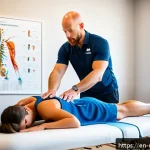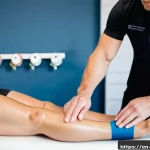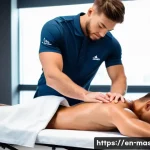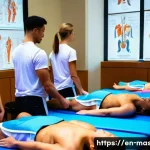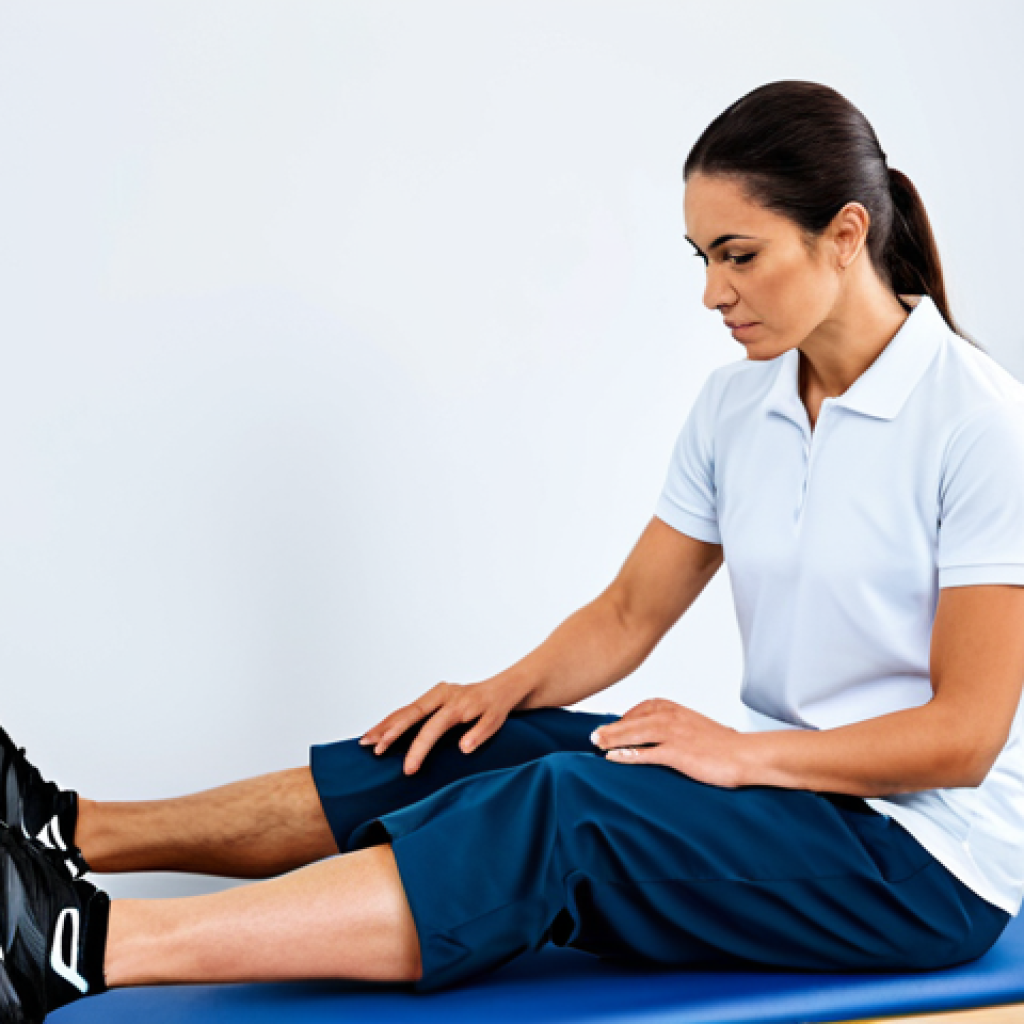
Ever pushed your body to its absolute limits, whether crushing a marathon personal best or just tackling that brutal CrossFit WOD, only to wake up feeling like a truck hit you?
That nagging ache, the tight hamstring, the shoulder that just won’t fully extend – we’ve all been there. It’s in these moments, when recovery feels like a mountain, that the true magic of a skilled sports massage therapist comes to light.
More than just kneading muscles, they’re navigators of pain, architects of recovery, and essential partners in any athlete’s journey, from the pros to the dedicated weekend warrior.
They truly understand the intricate dance of muscle, fascia, and movement. Let’s dive deeper into what their day-to-day really looks like, and why their role is more crucial than ever in today’s performance-driven world.
We’ll explore precisely what that entails. When I first stepped into this field, I thought it was just about deep tissue work, about finding those knots and grinding them out.
Boy, was I wrong. It’s a far more nuanced dance, a blend of intuition, anatomical knowledge, and a deep understanding of what makes a body tick – and sometimes, what makes it stop.
You quickly learn that every athlete, every injury, every tight spot tells a unique story. I recall one triathlete who came to me complaining of persistent calf tightness; his coach said it was just overuse.
But after a thorough assessment, connecting the dots between his gait, his worn-out running shoes, and yes, even his stress levels, we uncovered a glute weakness that was forcing his calves to overcompensate.
It was a classic “upstream problem, downstream symptom” scenario. The satisfaction of helping someone like him not just relieve pain but truly understand their own body’s mechanics is immense.
What truly excites me about being a sports massage therapist today is how the profession is evolving, embracing cutting-edge trends. Gone are the days of just a generic pre- or post-event rub-down.
Now, we’re talking highly personalized recovery protocols, often informed by data from wearables – your Oura ring showing poor sleep quality, or your Garmin logging unexpected heart rate variability.
This data, combined with a deep understanding of biomechanics, allows us to craft bespoke treatment plans. We’re moving rapidly towards a future where AI might even assist in diagnosing subtle movement imbalances or predicting injury risks with uncanny accuracy, allowing us to intervene *before* a serious issue arises.
Imagine integrating real-time feedback from smart textiles or AI-powered movement analysis directly into a session! However, it’s not all high-tech gadgets and data points.
The human element, the empathy, and the ability to truly listen to a client’s struggles remain paramount. I’ve seen firsthand how an athlete’s mental state – their anxiety about an upcoming competition, or their frustration with a lingering injury – can profoundly impact their physical recovery.
That’s why a holistic approach, considering sleep, nutrition, and mental wellness alongside manual therapy, isn’t just a buzzword; it’s essential for optimal recovery and peak performance.
The role of a sports massage therapist is transforming from purely reactive treatment to proactive, integrated wellness coaching, ensuring athletes not only recover but thrive in the long run.
Beyond the Rub-Down: The Science and Art of Assessment
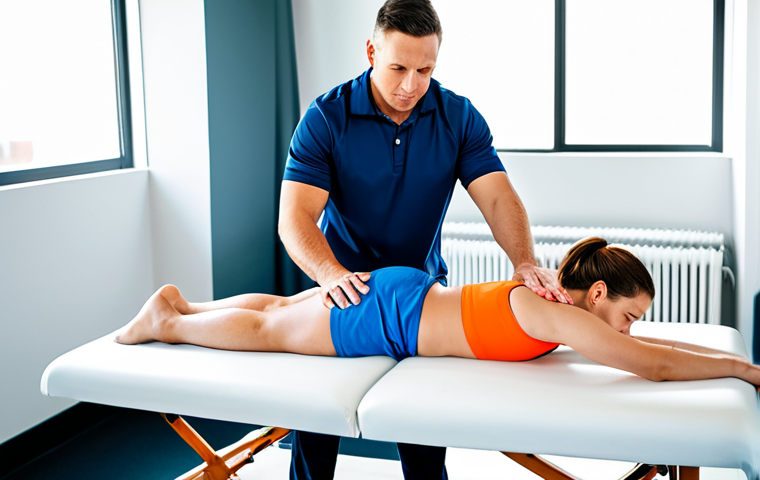
When an athlete walks through my door, whether they’re a seasoned marathoner battling persistent IT band syndrome or a weekend warrior with a new-found love for pickleball and a very unhappy shoulder, my first instinct isn’t to start kneading away. No, the real magic begins with a meticulous assessment. It’s akin to a detective gathering clues, piecing together a complex puzzle. I remember one young soccer player, passionate but constantly struggling with hamstring strains. He’d been to various therapists, all focusing on the hamstring itself. But after a deep dive into his movement patterns, looking at everything from how he landed after a jump to the slight rotation in his hips while running, we discovered a significant imbalance in his core and gluteal muscles. The hamstring was merely the victim, not the culprit. This is where the blend of art and science truly shines. You need the anatomical knowledge, the understanding of biomechanics, but also that intuitive sense, that gut feeling, that something just isn’t right with the way their body is moving. We’re constantly observing, asking open-ended questions about their training, their diet, their sleep, even their stress levels. Every piece of information contributes to the bigger picture, allowing us to pinpoint the root cause of discomfort rather than just treating symptoms. It’s about seeing the forest for the trees, even when the immediate pain is screaming at you.
1. Decoding Movement Patterns and Biomechanics
Understanding how the body moves, or *should* move, is fundamental. It’s not just about muscles, but also fascia, tendons, ligaments, and even how the nervous system communicates with everything. When I see an athlete, I’m mentally mapping their kinetic chain. Is their ankle pronating too much? Is their knee tracking inward? Is their hip lacking internal rotation? Each of these seemingly small deviations can contribute to a cascade of issues further up or down the chain. For instance, limited ankle dorsiflexion can put undue stress on the Achilles tendon, calf, and even the hamstrings, leading to chronic tightness or even tears. I recall working with a basketball player whose persistent knee pain was baffling his coaches. Through a series of functional movement tests – observing his squats, jumps, and even how he simply walked – we noticed a subtle instability in his core combined with a lack of hip mobility. His body was compensating, forcing his knees to take on an excessive load. It was one of those ‘aha!’ moments that makes this job so incredibly rewarding, knowing you’ve uncovered the real issue that conventional approaches might have missed.
2. The Art of Listening: Beyond the Physical Complaint
While biomechanics is crucial, the human element cannot be overstated. Athletes are not just bodies; they are individuals with hopes, fears, and a lot of emotional investment in their sport. Sometimes, the physical pain is exacerbated by mental stress, sleep deprivation, or nutritional imbalances. I’ve had clients break down in tears on the table, not just from the deep tissue work, but from the sheer frustration of a lingering injury threatening their career or their passion. My role often extends to being a confidante, a sounding board. Asking “How are you *really* feeling?” can unlock insights that no physical test ever could. Their words, their tone, their body language – these are all vital clues. It’s about building a trusting relationship where they feel safe enough to share not just where it hurts, but *why* it might hurt, both physically and emotionally. This holistic approach ensures we’re treating the whole person, not just a muscle or a joint. It’s a reminder that empathy is just as important as anatomical knowledge.
Crafting the Recovery Blueprint: Tailored Techniques in Action
Once the assessment is complete and we have a clear understanding of the underlying issues, the real work begins: crafting a personalized recovery blueprint. This isn’t a one-size-fits-all approach; what works for a powerlifter with a tight latissimus dorsi might be entirely inappropriate for a swimmer with shoulder impingement. My toolkit is diverse, ranging from deep tissue and myofascial release to more subtle techniques like neuromuscular therapy or lymphatic drainage. The goal is always to restore optimal function, reduce pain, improve range of motion, and accelerate recovery. I’ve seen firsthand how a precisely applied technique can unlock movement that an athlete thought was lost forever. It’s incredibly satisfying to see someone walk out with a greater range of motion, a reduced pain level, and a renewed sense of hope, knowing that you’ve helped them on their path back to peak performance. Every session is a dynamic conversation between my hands and their body, constantly adjusting pressure and technique based on their feedback and tissue response.
1. Myofascial Release: Unlocking the Body’s Web
Myofascial release is a technique I find myself using frequently, especially with athletes experiencing widespread stiffness or restricted movement that seems to defy specific muscle targeting. Imagine your muscles encased in a complex, three-dimensional web of connective tissue called fascia. When this fascia becomes tight, scarred, or inflamed due to injury, overuse, or even poor posture, it can restrict movement and cause pain far from the actual site of tightness. I vividly recall working with a cyclist who had chronic knee pain, yet his quadriceps and hamstrings felt relatively pliable. It was only when I started gently but firmly releasing the fascia around his hip flexors and IT band, holding sustained pressure until I felt the tissue ‘melt’ and release, that he found significant relief. It’s a slower, more deliberate technique than traditional deep tissue, focusing on sustained pressure and stretch, allowing the fascia to unwind and lengthen. The feeling of that release under your hands, and seeing the immediate improvement in a client’s range of motion, is truly remarkable.
2. Neuromuscular Therapy: Targeting Trigger Points
Trigger points – those notoriously painful, palpable knots in muscle tissue – are a common complaint among athletes. These hyperirritable spots can refer pain to other areas of the body, creating confusing symptoms. Neuromuscular therapy (NMT) focuses on deactivating these specific points. It involves applying precise, sustained pressure to a trigger point until it releases. I’ve often used NMT to address the referred pain from a glute medius trigger point causing sciatic-like symptoms down the leg, or a subscapularis trigger point referring pain into the shoulder and arm. It’s a technique that requires immense focus and sensitivity to the client’s response. While it can be intense in the moment, the relief that follows is often profound. It’s about resetting the muscle, allowing it to relax and function optimally again, breaking the cycle of tension and pain that these stubborn knots create.
Here’s a quick overview of common athletic complaints and how sports massage techniques typically address them:
| Common Athletic Complaint | Primary Contributing Factors | Targeted Sports Massage Techniques | Expected Benefits |
|---|---|---|---|
| Hamstring Strain/Tightness | Overuse, poor flexibility, glute weakness, inadequate warm-up | Deep Tissue, Myofascial Release, PNF Stretching, Neuromuscular Therapy | Reduced pain, increased flexibility, accelerated healing, improved range of motion |
| Runner’s Knee (IT Band Syndrome) | Overpronation, weak hip abductors, biomechanical imbalances | Myofascial Release (IT band, TFL), Deep Tissue (quads, glutes), Trigger Point Therapy | Decreased lateral knee pain, restored patellar tracking, improved hip stability |
| Shoulder Impingement | Rotator cuff overuse, poor posture, scapular dyskinesis, muscle imbalances | Deep Tissue (rotator cuff, pectorals, lats), Trigger Point Therapy, Myofascial Release | Increased shoulder mobility, reduced pain during overhead movements, improved posture |
| Plantar Fasciitis | Tight calves, poor foot mechanics, inadequate footwear, high impact activities | Deep Tissue (calf, sole of foot), Myofascial Release (plantar fascia), Trigger Point Therapy | Reduced heel pain, improved arch support, increased foot flexibility |
The Unseen Hurdles: Addressing the Mental and Emotional Landscape
While we meticulously work on the physical body, it would be a huge disservice to ignore the powerful, often unseen, influence of an athlete’s mental and emotional state. The human body is not a machine that can be simply fixed with a wrench; it’s a complex system where the mind plays an incredibly powerful role in physical recovery and performance. I’ve witnessed countless times how an athlete’s anxiety about an upcoming competition can manifest as physical tension in their shoulders or jaw, or how the frustration of a lingering injury can impede healing and prolong pain. My role often extends beyond just manual therapy; it becomes about creating a safe, supportive space where athletes can voice their concerns, release stress, and find a sense of calm. This holistic perspective is non-negotiable for true, sustainable recovery and peak performance. It’s a gentle reminder that we’re treating a person, not just a problem area.
1. Stress Response and Physical Manifestations
Stress, whether from training, competition, or life outside of sport, has a profound physiological impact. When we’re stressed, our bodies go into ‘fight or flight’ mode, releasing cortisol and adrenaline. This can lead to increased muscle tension, reduced blood flow to non-essential areas, and even suppress the immune system, making an athlete more susceptible to illness and injury. I often find athletes, particularly those in high-pressure sports, carrying immense tension in their upper back, neck, and jaw. Sometimes, even when the muscle itself isn’t technically ‘injured,’ it’s held in a state of chronic guarding due to underlying anxiety. Through skilled touch, I can often help release this built-up tension, providing immediate physical relief, which in turn can create a positive feedback loop, signaling to the nervous system that it’s safe to relax. It’s a remarkable connection – when the mind lets go, the body often follows suit.
2. The Psychological Impact of Injury and Recovery
An injury isn’t just a physical setback; it’s a psychological battle. The despair, the fear of not returning to form, the isolation from their team or sport – these emotions can be crippling. I’ve had clients who, despite physically healing, struggled to regain confidence or push themselves for fear of re-injury. In these moments, my role is less about deep tissue and more about empathetic presence. It’s about validating their feelings, celebrating small victories in their recovery journey, and gently encouraging them to reconnect with their body’s capabilities. Sometimes, just having a dedicated hour where they feel heard and supported, where their pain is acknowledged and understood, can be as therapeutic as any manual technique. It helps them shift their mindset from feeling like a victim of their body to an active participant in its healing process.
Tech-Driven Touch: Integrating Innovation for Peak Performance
The field of sports massage therapy is anything but static. It’s constantly evolving, embracing new technologies and scientific insights to enhance our practice and provide even more precise, effective care. Gone are the days when a therapist relied solely on their hands and intuition. While those remain paramount, the integration of cutting-edge technology is revolutionizing how we assess, treat, and monitor athletes. It’s an exciting time, pushing the boundaries of what’s possible and allowing us to move from reactive treatment to proactive, data-informed intervention. Imagine being able to see a real-time heat map of muscle activity or fascial restrictions – it’s not science fiction anymore, it’s becoming our reality. I’ve personally started incorporating some of these tools, and the insights they provide are simply invaluable, leading to more targeted and efficient treatment protocols. It really feels like we’re stepping into a new era where technology amplifies our human touch.
1. Wearables and Biometric Data Integration
The proliferation of wearable technology – from smartwatches tracking heart rate variability (HRV) and sleep quality (Oura Ring, Whoop) to GPS devices monitoring training load and recovery metrics (Garmin, Polar) – provides an unprecedented amount of data. This isn’t just for coaches and athletes; it’s a goldmine for us as therapists. If a client’s HRV is consistently low, indicating poor recovery, or their sleep quality has plummeted, it directly informs my treatment plan. Perhaps they need more gentle, restorative techniques rather than intense deep tissue, or advice on stress management. I’ve often used this data to initiate conversations about overtraining or inadequate rest, reinforcing the importance of holistic recovery. It allows us to go beyond subjective reports of “feeling tired” and ground our advice in objective, measurable data, making our recommendations more persuasive and effective.
2. Advanced Diagnostic Tools and Remote Monitoring
Beyond wearables, more advanced diagnostic tools are emerging that give us deeper insights into the body. Think about sophisticated movement analysis systems that use high-speed cameras and pressure plates to identify subtle gait abnormalities, or even thermal imaging to detect areas of inflammation or restricted blood flow. While not every therapist has access to these in their private practice, collaboration with sports performance centers and medical teams is increasing, allowing us to leverage this data. Furthermore, the concept of remote monitoring and telehealth is gaining traction. Imagine an athlete logging their pain levels and perceived exertion through an app, allowing me to adjust their self-care protocols or even suggest a virtual consultation. This ensures continuity of care, especially for athletes who travel frequently or have limited access to in-person sessions, keeping them connected to their recovery journey no matter where they are.
Injury Prevention and Rehabilitation: A Proactive Partnership
Too often, athletes seek out a sports massage therapist only when they’re already in pain or dealing with a full-blown injury. While we are incredibly effective at addressing existing issues, our true value lies in proactive prevention and comprehensive rehabilitation. Think of us as integral members of an athlete’s preventative maintenance crew, working alongside coaches, trainers, and other medical professionals to keep their bodies resilient and minimize the risk of future setbacks. This shift from reactive “fix-it” mode to a more proactive, integrated approach is something I’m deeply passionate about. It’s about empowering athletes with the knowledge and tools to understand their own bodies, identify early warning signs, and maintain optimal function long before minor niggles escalate into major problems. This isn’t just about avoiding lost training time; it’s about extending careers and enhancing overall athletic longevity. I always tell my clients that investing in prevention is far more cost-effective and beneficial than waiting for a crisis to emerge.
1. Identifying and Correcting Imbalances Before They Escalate
Many injuries don’t just happen; they’re the cumulative result of subtle muscular imbalances, postural deviations, or movement inefficiencies that, over time, place excessive stress on certain tissues. My role in prevention is to identify these “red flags” before they become problems. This involves regular assessments, even when an athlete feels perfectly fine. For example, a runner might have slightly weaker hip abductors on one side, which, during high mileage, could lead to IT band friction or knee pain. By detecting this weakness and addressing it with targeted massage and recommended corrective exercises, we can prevent a potential injury. It’s about fine-tuning the body, ensuring all its components are working synergistically, like a perfectly tuned engine. This meticulous attention to detail allows athletes to push their limits safely, knowing that their underlying physical structure is robust and supported.
2. Bridging the Gap: Post-Injury Recovery and Return to Play
When an injury does occur, sports massage becomes an indispensable part of the rehabilitation process. We work in tandem with physiotherapists and other healthcare providers to accelerate healing, reduce scar tissue formation, restore range of motion, and gradually reintroduce load. My expertise allows me to gently work on injured tissues, improve circulation to promote nutrient delivery and waste removal, and manually release any compensatory tightness that often develops around an injury site. For instance, after an ankle sprain, an athlete might unconsciously guard their calf or hip, leading to secondary tightness. My job is to address these compensatory patterns, ensuring that once the primary injury has healed, the surrounding musculature is also in optimal condition. This comprehensive approach ensures a safer and more confident return to play, minimizing the risk of re-injury and helping athletes regain their full athletic potential, often even stronger than before.
The Evolving Role: From Therapy to Holistic Performance Coaching
The modern sports massage therapist is no longer just someone who works on sore muscles. The profession is rapidly evolving into a more expansive role, one that often blurs the lines between manual therapy, movement coaching, and even a form of integrated wellness support. We are increasingly becoming holistic performance coaches, looking at the athlete as a whole person with interconnected physical, mental, and lifestyle factors influencing their performance and recovery. This shift reflects a broader understanding in sports science that true peak performance isn’t just about training harder; it’s about optimizing every aspect of an athlete’s life. It’s exhilarating to be at the forefront of this evolution, where our expertise extends beyond the immediate treatment session to guide athletes toward sustainable health and peak potential. This demands continuous learning and a willingness to integrate knowledge from various disciplines.
1. Educating Athletes for Self-Care and Longevity
One of the most impactful aspects of my role now involves educating athletes on how to care for their own bodies outside of the treatment room. It’s not enough to just fix problems; we need to empower them with the knowledge and tools to prevent them. This often includes teaching them effective stretching and foam rolling techniques, advising on proper hydration and nutrition for recovery, emphasizing the critical importance of sleep, and even guiding them through mindfulness exercises to manage stress. My goal isn’t just to make them feel better temporarily, but to equip them with lifelong skills for self-maintenance and injury prevention. Seeing a client take ownership of their own recovery and proactively incorporate self-care into their routine is incredibly rewarding. It fosters independence and resilience, essential traits for any athlete aiming for long-term success.
2. Collaborative Care: Integrating with the Performance Team
No athlete thrives in isolation, and neither should their healthcare providers. The most effective approach to athletic development and recovery is a collaborative one, where sports massage therapists work seamlessly alongside coaches, strength and conditioning specialists, physical therapists, nutritionists, and sports psychologists. I regularly communicate with other members of an athlete’s support team, sharing insights and coordinating treatment plans to ensure a unified and cohesive approach. This multidisciplinary collaboration is crucial for identifying complex issues, optimizing training loads, and creating comprehensive recovery strategies. For instance, if a coach notices a drop in performance, and a nutritionist identifies a dietary deficiency, my assessment might reveal compensatory muscle tightness. By sharing this information, we can collectively devise a holistic intervention that addresses all contributing factors, ultimately leading to a more robust and resilient athlete. It’s about leveraging collective expertise for the athlete’s ultimate benefit.
Building Trust: The Cornerstones of a Lasting Client Relationship
In a field that is as hands-on and personal as sports massage, trust isn’t just a bonus; it’s the absolute foundation of everything we do. Without it, a client won’t fully relax, won’t share crucial information, and certainly won’t return for follow-up sessions. Building this trust is an ongoing process, woven into every interaction, from the initial consultation to the follow-up advice. It’s about demonstrating genuine care, respecting boundaries, maintaining professionalism, and consistently delivering results. When an athlete trusts you, they are more open to your suggestions, more compliant with self-care routines, and more likely to recommend you to others. This isn’t just about professional success; it’s about the profound human connection that makes this profession so deeply fulfilling. It’s incredibly gratifying to see clients return year after year, knowing that you’ve become a consistent, reliable partner in their athletic journey.
1. Empathy, Communication, and Professionalism
Empathy is the bedrock. It’s about truly understanding the athlete’s pain, their frustration, and their aspirations. When they feel truly heard and understood, a significant barrier to recovery often falls away. This goes hand-in-hand with clear, honest communication. I always explain what I’m doing, why I’m doing it, and what they might feel. I set clear expectations and answer all their questions, ensuring they are active participants in their own treatment. Professionalism, of course, underpins it all – punctuality, maintaining a clean and safe environment, respecting privacy, and upholding ethical standards. One particular instance that stands out was working with a young gymnast who was terrified of having her shoulders touched after a previous painful experience. Through patient explanation, gentle touch, and constant communication about her comfort levels, we slowly rebuilt her trust, allowing her to eventually relax and receive the necessary therapy. It was a powerful reminder that sometimes, the simplest acts of care are the most profound.
2. Consistent Results and Adaptive Strategies
Ultimately, trust is solidified by consistent, tangible results. Athletes come to us for relief, for improved performance, and for solutions to their physical challenges. While building rapport is crucial, delivering on the promise of helping them feel better and move better is what truly builds loyalty. This doesn’t mean every session is a miracle cure, but it means demonstrating progress over time, even if it’s incremental. It also involves being adaptable. If a technique isn’t working as effectively as anticipated, I don’t stubbornly stick with it; I pivot, trying a different approach, seeking new angles, or consulting with colleagues. The ability to listen to the body’s feedback and adjust on the fly, combined with a deep well of knowledge and techniques, ensures that clients feel confident in your ability to help them navigate their unique physical challenges. This commitment to ongoing learning and personalized care reinforces the athlete’s belief that they are in truly capable and caring hands.
Conclusion
As I reflect on the journey with each athlete who walks through my door, it’s clear that true recovery and peak performance are never about a quick fix.
It’s a dynamic partnership, a blend of meticulous scientific assessment and the intuitive art of human connection. My aim is always to empower, not just to treat, fostering a deep understanding of their body and its immense capabilities.
In this evolving landscape of sports therapy, the future is bright with integration – of technology, of multidisciplinary teams, and most importantly, of the athlete’s own active participation in their well-being.
It’s a profoundly rewarding path, helping individuals unlock their full potential, not just for sport, but for life itself.
Useful Information to Know
1. Don’t wait until you’re injured! Regular maintenance sessions can prevent issues by addressing minor tightness and imbalances before they escalate into serious problems. Think of it as a tune-up for your body.
2. Hydration is key. Muscles are primarily water, and dehydration can lead to stiffness, cramps, and reduced performance. Ensure you’re drinking enough water, especially around your training sessions and massage appointments.
3. Communicate openly with your therapist. The more information you share about your pain, discomfort levels, and goals, the more effectively they can tailor the treatment to your specific needs. Your feedback is crucial!
4. Combine massage with active recovery. While massage helps with tissue recovery, active recovery (like light cardio or stretching) improves blood flow and flexibility, enhancing the overall healing process.
5. Listen to your body. Post-massage, you might feel a little sore, but it should be a ‘good sore.’ Pay attention to how your body responds and discuss any unusual or persistent pain with your therapist.
Key Takeaways
* Holistic Assessment: Go beyond symptoms to identify root causes through detailed movement analysis and active listening, embracing both science and intuition.
* Tailored Treatment: Utilize a diverse toolkit of techniques like Myofascial Release and Neuromuscular Therapy to craft personalized recovery blueprints for optimal function.
* Mind-Body Connection: Acknowledge and address the significant impact of an athlete’s mental and emotional state on physical recovery and performance, offering empathetic support.
* Tech Integration: Leverage wearables and advanced diagnostic tools for data-informed, proactive interventions, pushing the boundaries of traditional therapy.
* Proactive Partnership: Emphasize injury prevention and comprehensive rehabilitation, empowering athletes with self-care knowledge for long-term health and longevity.
* Building Trust: Foster lasting client relationships through empathy, clear communication, professionalism, and consistent, adaptive results that demonstrate genuine care.
Frequently Asked Questions (FAQ) 📖
Q: I always thought sports massage was just about painful deep tissue work to ‘iron out’ knots. Is there really more to it than that?
A: Oh, absolutely! When I first got into this field, I had a similar idea—just find the knots and grind them out. But I quickly learned it’s so much more.
It’s truly a nuanced dance, blending deep anatomical knowledge with a strong dose of intuition. Every athlete who walks through the door, every ache, every tight spot tells a unique story.
It’s about connecting those dots, looking beyond just where it hurts, and understanding the body’s entire system. Sometimes that nagging calf pain isn’t just a calf problem; it’s a compensation for a weak glute, for example.
It’s a detective job, and the satisfaction comes from not just relieving pain, but helping someone truly understand their body and prevent future issues.
Q: How is the role of a sports massage therapist changing with all the new technology and data available to athletes today?
A: It’s rapidly evolving, which is incredibly exciting! Gone are the days of just a generic rub-down. Now, we’re really leveraging data to create highly personalized recovery protocols.
Imagine an athlete comes in, and their Oura ring data shows poor sleep quality, or their Garmin logs unusual heart rate variability. That’s gold! Combining that kind of objective data with our understanding of biomechanics allows us to craft bespoke treatment plans.
We’re moving towards a future where AI might even help us spot subtle movement imbalances or predict injury risks with uncanny accuracy before a serious issue arises.
It’s about integrating this tech to be more proactive and precise in our approach.
Q: Beyond the physical manipulation, what else does a truly effective sports massage therapist bring to an athlete’s overall well-being and recovery?
A: This is where the true heart of the profession lies, in my opinion. While the physical work is crucial, the human element – the empathy, the ability to truly listen – is paramount.
I’ve seen firsthand how much an athlete’s mental state, whether it’s anxiety about an upcoming competition or sheer frustration with a lingering injury, can profoundly impact their physical recovery.
That’s why a holistic approach is so vital. We’re not just working on muscles; we’re often talking about sleep habits, nutrition, and mental wellness.
It’s transforming from purely reactive treatment to becoming an integrated wellness coach, ensuring athletes not only recover but genuinely thrive in the long run.
It’s about building trust and being a partner in their entire journey.
📚 References
Wikipedia Encyclopedia
구글 검색 결과
구글 검색 결과
구글 검색 결과
구글 검색 결과
구글 검색 결과